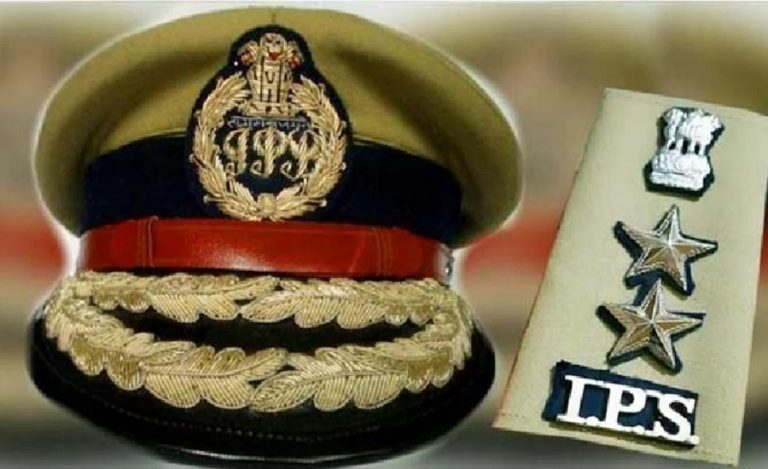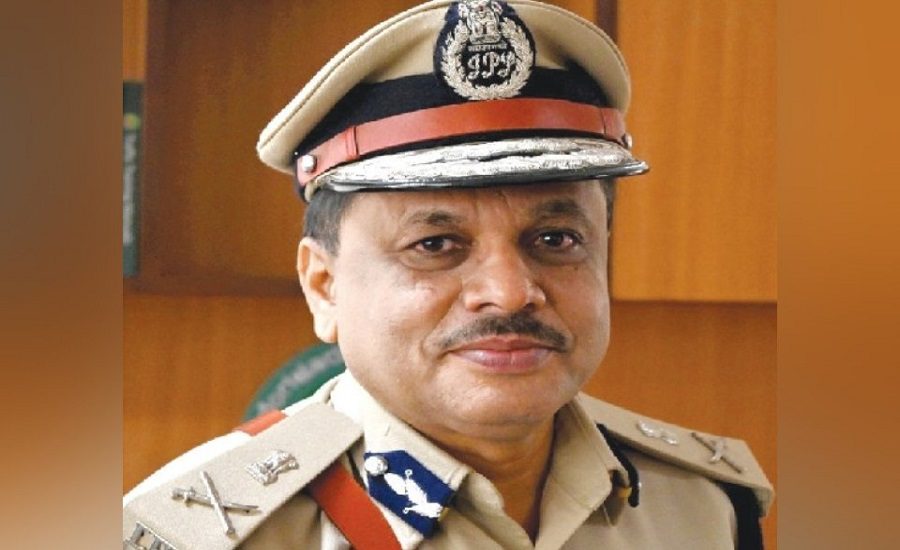
Bengaluru: In a significant move aimed at ending the controversial orderly system, Karnataka Director General of Police (DGP) M. A. Saleem (IPS:1993:KN) has directed the withdrawal of all police personnel currently posted as orderlies at the residences of senior officers. The directive seeks to redeploy these personnel to regular policing duties, a step that could return nearly 3,000 police personnel to core law enforcement work.
While the order has been welcomed by many within and outside the police force, some observers remain skeptical, citing past experiences where similar directives failed to completely eliminate the practice.
Redeployment of 3,000 Police Personnel
According to the latest directive issued by the Karnataka DGP, police personnel currently engaged in orderly duties at the homes of senior officers will be reassigned to regular policing roles.
Officials estimate that around 3,000 police personnel are presently performing such duties. Their redeployment is expected to strengthen field-level policing and improve manpower availability for operational work.
The move is being viewed as an attempt to address concerns that valuable police manpower has long been diverted to non-policing responsibilities.
Orderly System: A Colonial-Era Practice
The orderly system has its origins in the British colonial period, when police constables were assigned to officers to perform various personal and domestic chores at their residences.
Over the decades, the practice continued in several parts of India, despite criticism that it was inconsistent with modern administrative standards and professional policing norms.
Critics argue that assigning trained police personnel to domestic tasks undermines the dignity of the rank-and-file force and reduces the manpower available for essential policing duties.
Official Ban in 2017 but Limited Impact
The orderly system had officially been banned in 2017 following strong criticism and protests from within the police force.
However, many observers believe the ban had limited impact. Once the controversy subsided, several police personnel reportedly returned to officers’ residences to resume similar duties.
As a result, the system continued informally despite the official prohibition.
A Pan-India Issue
The issue is not limited to Karnataka alone. The orderly system has been reported in multiple states across India, making it a pan-India concern within police administration.
The National Police Commission had recommended abolishing the system decades ago, stating that it demoralizes lower-ranking personnel and diverts resources away from policing duties.
Several judicial observations have also criticized the practice.
Courts and Leaders Criticize the System
Courts have taken a strong stand against the orderly system over the years.
The Madras High Court once described the practice as a form of “colonial slavery,” highlighting its incompatibility with democratic and professional governance structures.
Political leaders have also voiced opposition. Kerala Chief Minister Pinarayi Vijayan previously termed the practice a form of slavery and a violation of human rights.
Reform Efforts in Other States
Some states have initiated measures to eliminate the system and introduce alternative arrangements.
• Tamil Nadu has set up district-level monitoring committees headed by district collectors to ensure compliance with the ban on orderlies.
• Telangana has linked the withdrawal of orderlies to broader police reform initiatives.
These steps aim to ensure that police personnel are used for their intended purpose — maintaining law and order and serving the public.
Resistance and Challenges
Despite repeated efforts to abolish the system, reform attempts have often faced resistance.
Observers say that a powerful lobby among senior officers has sometimes slowed or diluted implementation of such reforms.
Because of this, critics believe that the success of Karnataka’s latest directive will depend on strict monitoring and sustained administrative commitment.
Skepticism Over Implementation
While the Karnataka DGP’s order has received support from various quarters, many within the policing community remain cautious.
Past experiences suggest that similar orders have not always led to permanent change.
Ensuring the complete withdrawal of orderlies and their redeployment to policing duties will require consistent enforcement and oversight.
Read also: Rajasthan ACB Intensifies Search for Retired IAS Officer in Rs 9 Billion Jal Jeevan Scheme Scam