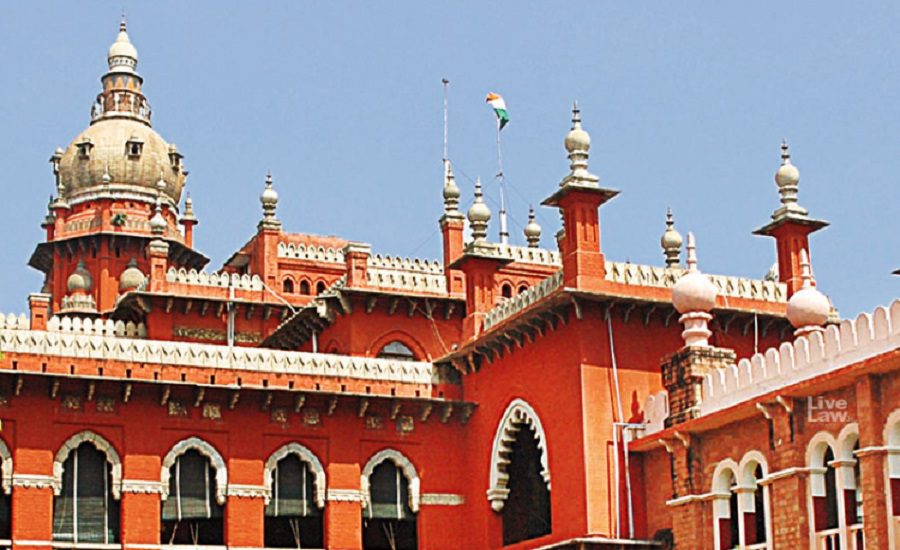
Chennai: The Madras High Court on Friday called on the Union Government of India to consider enacting legislation similar to a recent Australian law aimed at safeguarding children from harmful online content and excessive internet exposure.
The court’s directive comes amid rising concerns over children’s easy access to pornographic material and social media platforms without adequate protections in place.
The recommendation was made by a division bench of Justice G. Jayachandran and Justice K.K. Ramakrishnan while disposing of a public interest litigation (PIL) filed in 2018 by Madurai resident S. Vijayakumar. The petitioner drew attention to the unchecked access minors have to objectionable digital content, urging statutory authorities to step up protective measures.
What is the Background of Australia Digital Safety Law
The PIL, filed in 2018, highlighted India’s struggle to effectively shield minors from obscene and sexually explicit content on the internet. It specifically argued that existing safeguards were inadequate, citing the widespread availability of pornography and child-sexual abuse material (CSAM) online, which children encounter with disturbing ease.
The petitioner also sought directives for Internet Service Providers (ISPs) to implement parental control mechanisms and for child protection bodies to force compliance with statutory duties under the National Commission for Protection of Child Rights Act, 2005.
Why Does Madras High Court Urged for Australia Digital Safety Law
During the hearing, the bench noted that while families play a crucial role in supervising minors’ internet behavior, parental supervision alone is insufficient in the current digital age. It was observed that children are highly vulnerable online, and existing efforts by regulatory bodies to block harmful websites were not enough to stem the growing tide of unsafe content.
The court expressed disappointment that the counter-affidavits filed by statutory authorities failed to demonstrate meaningful enforcement of protective measures. It emphasized that awareness campaigns on internet safety must be intensified until effective legislation is put in place.
The Madras High Court noted this legal framework, suggesting that similar age-based restrictions or monitoring mechanisms could form part of India’s future legislative efforts to protect children online.
While stopping short of issuing binding directives, the Madras High Court urged relevant authorities — including the National Commission for Protection of Child Rights and the Tamil Nadu Commission for Protection of Child Rights — to draw up effective action plans and enhance awareness campaigns on digital child safety.
The court specifically highlighted the need for parental control tools (“parental window”) on devices and stronger educational outreach to parents and children alike about the dangers of unmonitored internet use.
What is Australia Digital Safety Law
Earlier this year, Australia became the first country in the world to ban social media use for children under the age of 16, under an amendment to its Online Safety Act. The Online Safety Amendment (Social Media Minimum Age) Act 2024 prohibits minors from holding or creating accounts on major platforms such as Facebook, Instagram, TikTok, Snapchat, YouTube, and more.
The Australian law requires social media companies to implement age-verification measures and restrict account access for under-16s or face significant fines. While the legislation does not penalize children or parents, it places responsibility on tech platforms to prevent underage usage.