Bhopal: Madhya Pradesh Chief Minister Dr. Mohan Yadav has announced the launch of the Jal Ganga Conservation Campaign across the state from March 19, 2026. The initiative aims to promote water conservation, groundwater replenishment, river rejuvenation, and public participation in sustainable environmental practices.
The campaign emphasizes rainwater harvesting, afforestation, and development of water structures, marking a significant step toward securing the state’s water resources for future generations.
CM Yadav Highlights Campaign Importance
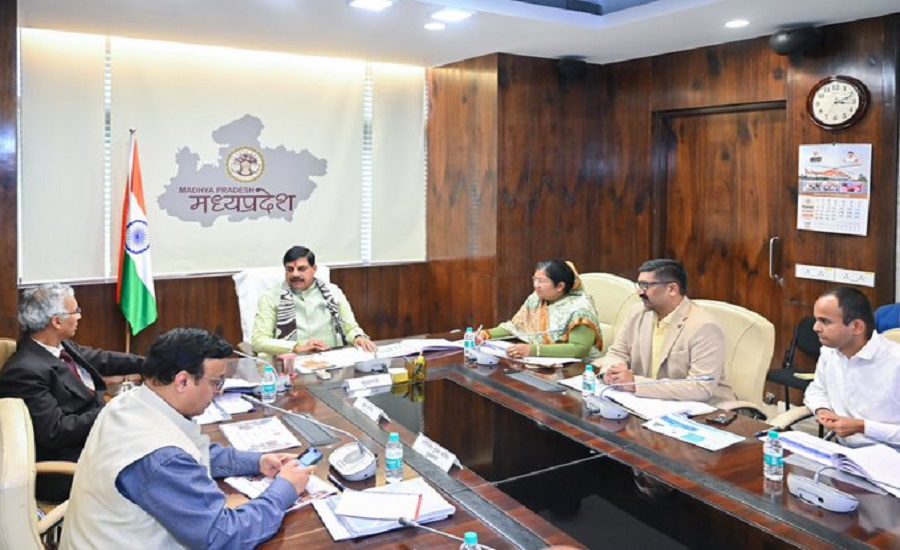
Speaking at a review meeting, Chief Minister Dr. Yadav described the Jal Ganga Conservation Campaign as not just an environmental initiative but also a foundation for the state’s development. He stressed the importance of public participation at both state and village levels, citing the declining groundwater levels, damaged ancient water structures, and reduced river flows as critical issues that need collective action.
The CM also noted that previous campaigns had positive results, and this year’s 2026 initiative aims to be more effective and impactful by ensuring active involvement from citizens.
Read also: Nearly 6,000 Big Cats in MP: Govt Seeks WII’s Help to Assess Forest Carrying Capacityff
Review Meeting with Key Officials
The campaign’s review meeting at the Secretariat was attended by Additional Chief Secretary Dr. Rajesh Rajora, Ashok Barnwal, Sanjay Dubey, Neeraj Mandloi, Deepali Rastogi, and Shivshekhar Shukla, among others. District Collectors joined the meeting virtually to discuss the achievements of the 2025 campaign and the detailed plan for 2026.
Dr. Yadav instructed officials to remove encroachments from water harvesting structures and to develop river origin points systematically, coupled with large-scale tree plantation initiatives.
Focus on Community Participation and Clean Water Access
The Chief Minister emphasized promoting public water fountains (Pyaus) in both urban and rural areas while discouraging the use of plastic bottles. He called on MPs, MLAs, Panchayat leaders, municipal authorities, NGOs, and CSR organizations to actively participate in the campaign. District Collectors will act as nodal officers for monitoring campaign activities.
The campaign’s nodal departments include the Panchayat & Rural Development Department and Urban Administration & Development Department, with coordination from Revenue, Water Resources, Horticulture, Public Health Engineering, Narmada Valley Development, Forest, Industry & MSME, Environment, Sanskrit, Women & Child Development, School Education, and Agriculture & Farmer Welfare departments.
Statewide Launch and Key Activities
The campaign will start on Vikram Samvat Pratipada, March 19, with activities related to environmental protection and water structure development across all districts.
Key programs under the campaign include:
- May 23–24: International Water Conference in Bhopal
- May 25–26: Shipra River Circumambulation
- May 26 (Ganga Dashahara): Mahadev River Katha in Ujjain
- May 30–June 7: Sadani Ra Samagam at Bharat Bhavan, Bhopal, including satellite mapping of agricultural land
Water Conservation and River Rejuvenation Initiatives
The Panchayat & Rural Development Department will implement 2,200 water conservation projects worth Rs 170 crore under the Pradhan Mantri Krishi Sinchai Yojana and Watershed Development 2.0. Additionally, under last year’s Rs 2,500 crore campaign, 86,360 farm ponds and 553 Amrit Sarovars were completed. Groundwater enhancement and restoration of traditional water structures will continue under the Jal Jeevan Mission.
The campaign also includes initiatives like Narmada Parikrama Path, Gangotri Green Project, and a community garden project, along with rejuvenation plans for the Betwa, Shipra, and Gambhir rivers.
Urban Water Conservation Measures
The Urban Development Department will develop 120 water structures and 50 green spaces, while youth will be engaged as “Amrit Mitras” through the My Bharat Portal. The department aims to install 4,130 rainwater harvesting systems and implement treatment for 20 urban drains.
Urban bodies will also focus on river, pond, and stepwell conservation, cleaning drains, large-scale tree plantation, awareness rallies, competitions, and school-based IEC activities.
Role of Public Health, Forest, and Women & Child Development Departments
The Public Health Engineering Department will manage groundwater recharge, cleaning, and maintenance of water sources.
The Forest Department, under the Aviral Nirmal Narmada Campaign, will plant 28 lakh trees during the rainy season and construct over 400 water structures along with 189 pond deepening projects for wildlife support.
The Women & Child Development Department will implement rainwater harvesting and nutrition gardens at Anganwadi centers, developing them as model water and nutrition centers, with allocated funds for each center.