New Delhi: NavIC standalone navigation has temporarily stopped working after one of India’s navigation satellites completed its mission life and lost its positioning capability. The Central Government informed Parliament that the current NavIC constellation does not have the minimum number of operational satellites needed to provide independent navigation services. However, officials said there is no major impact on most users because NavIC is used together with other global navigation systems.
Why NavIC Cannot Provide Standalone Navigation
The Indian Space Research Organisation (ISRO) confirmed earlier this year that the IRNSS-1F satellite completed its planned 10-year mission life in March 2026. Soon after, its onboard atomic clock stopped functioning, ending its role in providing positioning services.
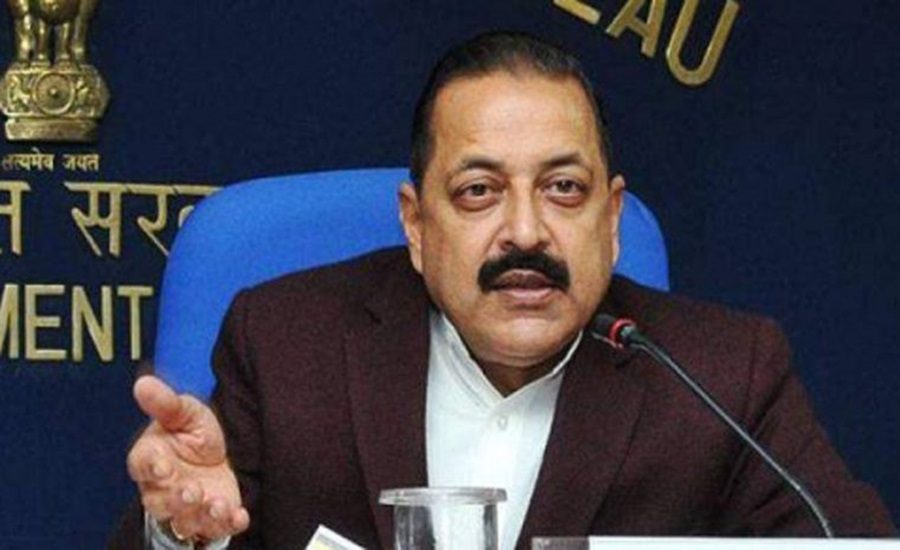
In a written reply in Parliament, Minister of State for Space Dr. Jitendra Singh said that only three satellites are currently available for providing Position, Navigation and Timing (PNT) services—IRNSS-1B, IRNSS-1I and NVS-01.
Since at least four operational satellites are required for basic positioning, NavIC standalone navigation is currently unavailable. However, the system’s timing service continues to work normally.
What Is NavIC
NavIC (Navigation with Indian Constellation) is India’s own regional satellite navigation system developed by ISRO. It is designed to provide accurate Position, Navigation and Timing (PNT) services across India and up to 1,500 km beyond the country’s borders. NavIC supports many important services, including:
- Road and vehicle navigation
- Maritime operations
- Disaster management
- Railway tracking
- Defence applications
- Timing services for critical infrastructure
NavIC Standalone Navigation Shut Down: Will Mobile Users Be Affected
According to the government’s reply, most users will not notice any major change. This is because smartphones, vehicles and other navigation devices usually work in a multi-constellation GNSS environment, using signals from multiple satellite systems such as:
- GPS (United States)
- Galileo (European Union)
- GLONASS (Russia)
- NavIC (India)
By combining signals from several satellite networks, navigation remains reliable even if one system has fewer operational satellites.
Defence and Strategic Operations Continue
The government also clarified that India’s armed forces continue to use NavIC along with other Global Navigation Satellite Systems (GNSS). Officials said there is no vulnerability for users because navigation services rely on multiple satellite constellations rather than a single network.
ISRO Working to Strengthen NavIC Standalone Navigation
The Department of Space said it is actively working to strengthen the NavIC system. The long-term roadmap includes:
- Completing the full NavIC satellite constellation.
- Launching additional second-generation NavIC satellites.
- Expanding secure navigation services.
- Increasing the use of indigenous space-grade atomic clocks to improve self-reliance.
Read also: Warning Signs for India’s Space Future: How Launch Logjam and NavIC Crisis Could Delay Space Dreams