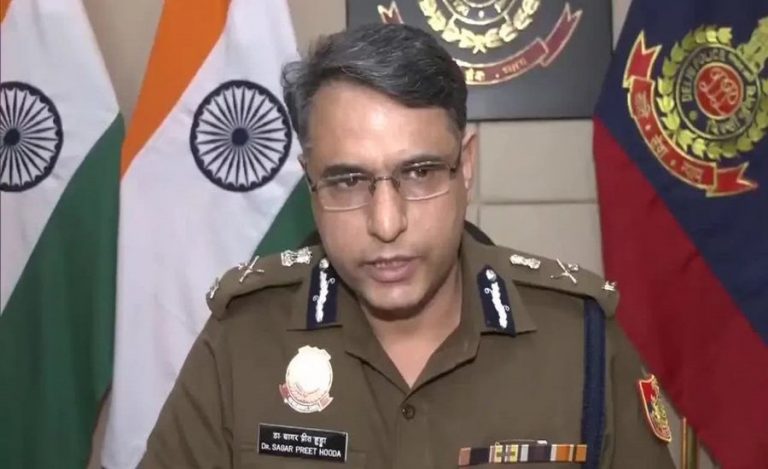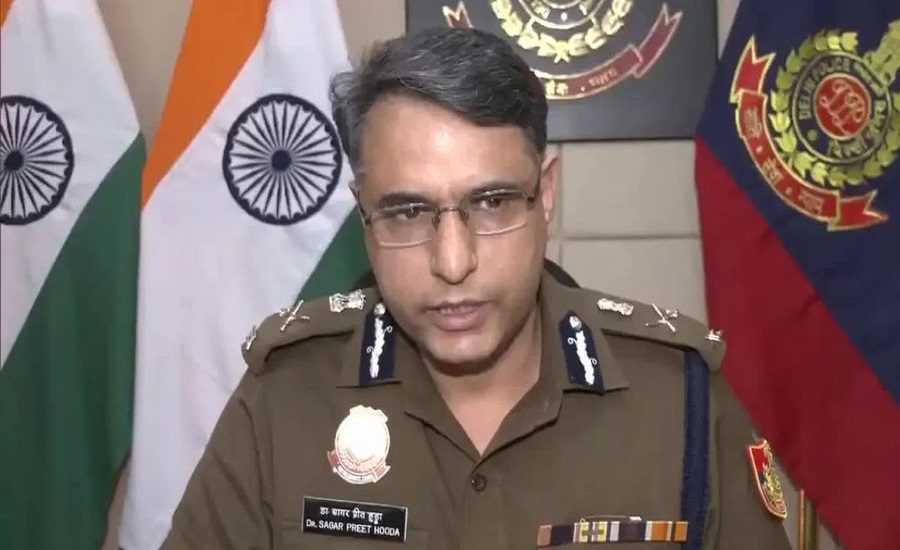
Jind: Chandigarh Director General of Police (DGP) Sagar Preet Hooda, a 1997-batch IPS officer of the AGMUT cadre, has launched Panchgama Pahal, a community-driven initiative aimed at promoting education, employability, sports and social awareness across 300 villages in Haryana’s Jind district.
Launched on Sunday at the late Dr Harichand Midda Auditorium of Chaudhary Ranbir Singh University, the initiative seeks to bring professionals, local volunteers and community organisations together to expand opportunities for rural youth and address challenges affecting village communities.
Under the theme ‘Give to Society’, the programme adopts a voluntary and non-political approach, encouraging successful professionals and socially committed individuals to contribute their knowledge, experience and resources towards rural development.
300 Villages Grouped into 60 Panchgamas
Under the initiative, the 300 villages will be organised into 60 clusters, known as Panchgamas, with each cluster comprising approximately five villages.
Read Also: Dr. Sagar Preet Hooda: The Officer Who Came Back To Lead Chandigarh Police
Local volunteers will lead the clusters, identify community needs and connect residents with relevant experts, institutions and resources.
The model is intended to make development support more accessible by establishing a network through which villages can seek assistance with education, career opportunities, healthcare, sports and other community priorities.
Key features of the initiative include:
- Coverage of 300 villages across Jind district.
- Formation of 60 Panchgama clusters, each comprising around five villages.
- Participation of local volunteers, professionals and socially committed individuals.
- Support for rural youth through career guidance, skill training and educational resources.
- Community awareness campaigns on social and public safety issues.
10 Thematic Groups to Drive Community Development
Panchgama Pahal proposes 10 thematic groups to coordinate activities across the identified villages. Each group will focus on a particular area of community development, with the central coordination unit overseeing implementation and progress.
The groups are designed to address both immediate social concerns and longer-term opportunities for rural development.
Key Focus Areas
- Jagriti: Raising awareness about drug abuse, unsafe migration, cyber safety and road safety.
- Hunar: Promoting vocational skills, employability, entrepreneurship, digital literacy and awareness of artificial intelligence.
- Disha: Providing career counselling and guidance on scholarships, competitive examinations and educational opportunities.
- Swasthya & Khel: Encouraging physical fitness, nutrition, sports participation and mental well-being.
- Pustak: Promoting reading habits and working towards establishing a knowledge hub in every Panchgama.
The remaining groups will focus on documenting inspiring stories from rural communities, building partnerships, mobilising resources, strengthening community participation and promoting legal awareness.
Focus on Drug Awareness, Skills and Career Guidance
A central objective of the initiative is to help rural young people access opportunities and information that can support their education, employment and personal development.
Through Jagriti, the programme will seek to raise awareness of drug abuse, unsafe migration practices, cybercrime risks and road safety.
Hunar will focus on improving practical skills and employability, while also encouraging entrepreneurship and familiarity with digital technologies and artificial intelligence.
Disha will help young people navigate educational and professional pathways, including information about scholarships and competitive examinations.
The initiative also places emphasis on sports, reading and health awareness as ways to encourage broader participation in community life.
Samanvay to Coordinate Activities Across Villages
The programme’s central coordination unit, Samanvay, will oversee the activities of the different thematic groups and village-level teams.
Its responsibilities will include maintaining records, coordinating support and reviewing progress. Panchgama leads will identify local requirements and approach the relevant groups to seek assistance.
The decentralised structure is intended to help villages communicate their needs more effectively and connect with people or institutions capable of providing support.
Community Participation at the Core of Panchgama Pahal
The initiative places voluntary participation and collective social responsibility at the centre of its approach. By bringing together professionals, local volunteers and community institutions, it aims to create a support network for rural residents, particularly young people.
The programme also builds on earlier outreach planning associated with Sagar Preet Hooda, which highlighted the need for community involvement in steering young people away from drug abuse and unsafe migration while encouraging education, skills and sports.
With Jind serving as the initial focus, Panchgama Pahal seeks to establish a village-level framework through which local challenges can be identified and addressed through coordinated community action.
Read Also: Chandigarh Police Arrest Rohtak Man Accused of Impersonating IPS Officer, Cheating Scholar