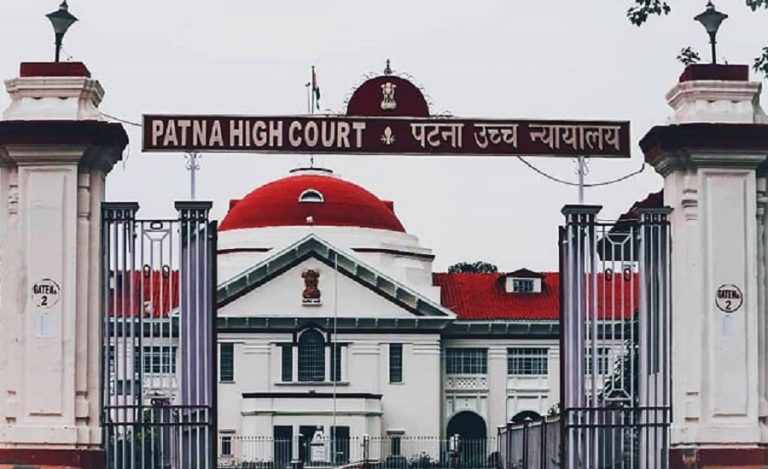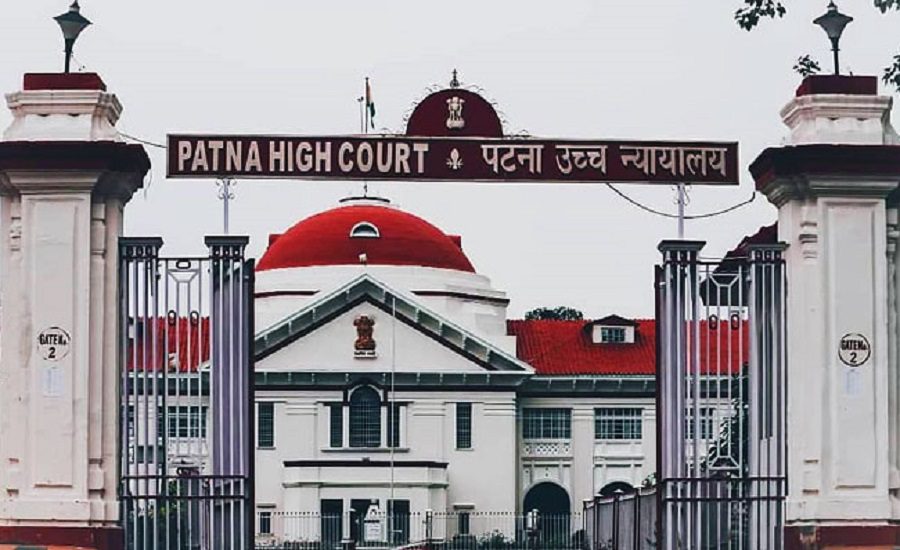
Patna: The Patna High Court has upheld the termination of a probationary Indian Revenue Service (IRS) officer, reinforcing the government’s authority to discharge probationers without a detailed departmental inquiry if found unsuitable for permanent service.
A division bench comprising Justices Mohit Kumar Shah and Alok Kumar Pandey delivered the ruling on April 3 while hearing a plea filed by Chandan Prakash Pandey, a Group A officer from the 2015 civil services batch.
Court Says Termination Was Legally Valid
The court observed that the February 5, 2021 termination order was “simpliciter in nature” and did not suffer from any legal infirmity.
It emphasized that during the probation period, the government has wide discretion to:
- Extend probation for various reasons, including failure to clear departmental exams
- Assess overall conduct and efficiency
- Discharge an officer at any stage if deemed unsuitable
The bench clarified that a probationer has no absolute right to continue in service if their performance or conduct raises concerns about their future efficiency.
Read also: CBIC Transfers 33 Senior IRS Officers in Major Reshuffle; Valte Vungzamuan Posted to Delhi Customs
Bribery Allegation Led to Immediate Action
Pandey was appointed in December 2016 and placed on a two-year probation. However, in June 2019, while serving as an assistant commissioner in Patna, he was allegedly caught “red-handed” by the Central Bureau of Investigation accepting a bribe of ₹2.5 lakh.
Following the incident:
- A criminal case was registered by the CBI
- He was arrested and placed in judicial custody for over 48 hours
- He was automatically placed under deemed suspension
Subsequently, the President of India terminated his services under Rule 5(1) of the Central Civil Services (Temporary Service) Rules, 1965.
Legal Challenge and Tribunal Decision
Pandey challenged both his termination and suspension before the Central Administrative Tribunal (CAT), which dismissed his plea in 2024. He then approached the Patna High Court.
The High Court upheld the CAT’s decision, ruling that:
- The officer was still a probationer at the time of termination
- The 1965 rules apply to temporary government employees, including probationers
- No exemption existed in his case from these rules
Suspension Rules and Authority Explained
The court also clarified the legal framework governing suspension:
- Authorities are empowered under the 1965 rules to suspend a government employee if a criminal case is under investigation, inquiry, or trial
- A government servant is deemed suspended if detained in custody for more than 48 hours
- Suspension can be extended legally based on circumstances
The bench concluded that both the suspension and its extension were lawful and justified.
Government’s Discretion Over Probationers
The ruling reinforces a crucial principle in public service law: probationary officers do not enjoy the same protections as permanent employees.
The court affirmed that:
- Suitability for permanent appointment is continuously assessed during probation
- Allegations of serious misconduct, such as corruption, can justify immediate discharge
- A full departmental inquiry is not mandatory in such cases if termination is non-punitive in nature
This judgment strengthens the government’s ability to maintain integrity within the civil services by acting decisively against probationers facing serious allegations.