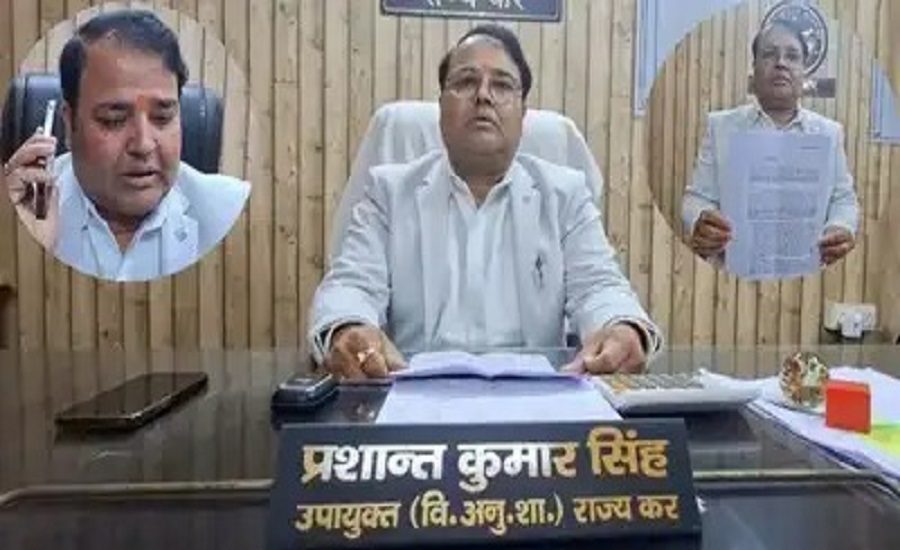
Ayodhya/Lucknow: In a dramatic development in Uttar Pradesh, GST Deputy Commissioner Prashant Kumar Singh has resigned from his post in Ayodhya, citing self-respect and solidarity with Chief Minister Yogi Adityanath, following controversial remarks made by Shankaracharya Avimukteshwaranand. The resignation adds momentum to a growing chain of administrative protests in the state over the incident.
Prashant Kumar Singh Resigns Over “Insult” to CM Yogi
Prashant Kumar Singh, a senior GST officer posted in Ayodhya, submitted a two-page resignation letter to the Governor. In the letter, he expressed being “deeply hurt” by the Shankaracharya’s comments against CM Yogi, whom he described as a democratically elected leader and his personal benefactor.
“I eat the salt and bread of this state; my family runs on the salary of this state. If unparliamentary words are used against the head of that state, I will feel pain. I too have a heart and feelings. Because I am bound by the UP Employees Service Rules, I could not bear this pain for two days, so I have sent my resignation to the Governor,” Singh wrote.
He emphasized that his resignation was based entirely on self-respect and personal conviction, not external pressure. He also pledged to continue working for society with his personal resources after his resignation is accepted.
The Shankaracharya Controversy
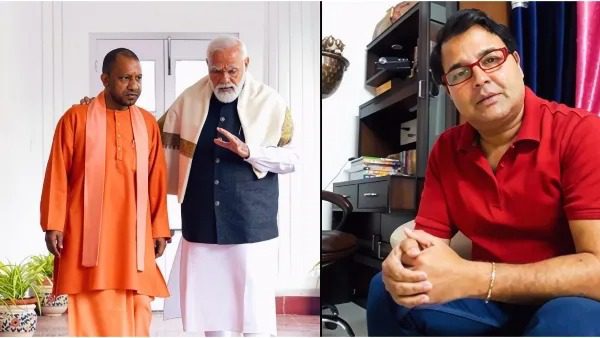
The resignations are part of escalating tensions over remarks made by Shankaracharya Avimukteshwaranand, who compared CM Yogi Adityanath to historical figures like Kalnemi and Aurangzeb. The controversy began after police stopped the Shankaracharya’s palanquin during Magh Mela bathing rituals, leading to scuffles and a subsequent dharna outside his camp.
Chief Minister Yogi Adityanath, without naming the Shankaracharya, referred to him as “Kalnemi,” further intensifying the dispute. The saint community in UP is reportedly divided into factions, though all three Shankaracharyas publicly support Avimukteshwaranand.
Chain of Resignations: From Bareilly to Ayodhya
Prashant Kumar Singh’s resignation follows Bareilly City Magistrate Alankar Agnihotri’s resignation on January 26, who protested against new UGC rules and alleged mistreatment of the Shankaracharya’s disciples. Both officers, belonging to the Brahmin community, have cited the controversy as an “insult to Sanatan culture.”
Alankar Agnihotri’s resignation was accompanied by claims of administrative pressure and alleged detention at the District Magistrate’s residence, escalating political and administrative discussions across Uttar Pradesh.
Who Is Prashant Kumar Singh?
Mr Prashant, 48, hails from Sharma village in Mau district. He completed his early education in Tanda and graduated from Uday Pratap College, Varanasi. Singh earned an LLB in civil law and began his administrative career in Saharanpur in 2013. Known as an honest and hardworking officer, he has been serving as Divisional GST Deputy Commissioner in Ayodhya since 2023.
His resignation reflects his commitment to principles and personal convictions, highlighting the sensitive intersection of politics, religion, and administration in Uttar Pradesh.
He had been serving as the Divisional Deputy Commissioner of the State Tax Department in the Ayodhya division since 2023. He is considered a diligent officer. He has also announced that, after his resignation is accepted, he will dedicate himself to social service using his personal resources. He clarified that he was not under pressure from anyone, and that his decision was based entirely on his own self-respect and convictions.
Administrative and Political Repercussions
The resignations have sparked widespread discussions in political and administrative circles across the state. Analysts suggest that these developments could have broader implications for governance, communal harmony, and the political landscape in Uttar Pradesh ahead of upcoming events and elections.
“The constitution defines the method of protest, but you can’t sit on a cart and say anything you want about the Chief Minister. He is our benefactor,” Mr Singh said. He stressed that such statements divide society along caste lines and create a negative atmosphere.