Chandigarh: Punjab is in a cautious wait-and-watch mode following a Supreme Court directive that empowered the Union Public Service Commission (UPSC) to take action against states that delay the appointment of full-time directors general of police (DGPs). The state has not yet received formal communication from the commission regarding the latest order, prompting officials to hold off on initiating the selection process for a regular DGP.
Sources close to the matter indicated that Punjab is also closely observing the response of other states, particularly BJP-ruled Uttar Pradesh, before deciding on the next steps.
Acting DGP Culture Under Scrutiny
The Supreme Court’s observations came earlier this month during a hearing on a UPSC plea challenging a January 2025 Telangana High Court order, which directed the commission to finalise a DGP panel within four weeks. The bench, led by Chief Justice Surya Kant and Justice Joymalya Bagchi, expressed concern over the prevalent “acting DGP” culture, noting that it undermines the stability and independence of police leadership, as envisioned in the 2006 Prakash Singh judgment.
Read Also: No More Delays in DGP Appointments: Supreme Court Allows UPSC to Move Contempt Against States
The court’s directive allows UPSC to remind states of upcoming DGP vacancies in advance and, in cases of continued non-compliance, to approach the Supreme Court—including seeking contempt action against non-cooperative state governments.
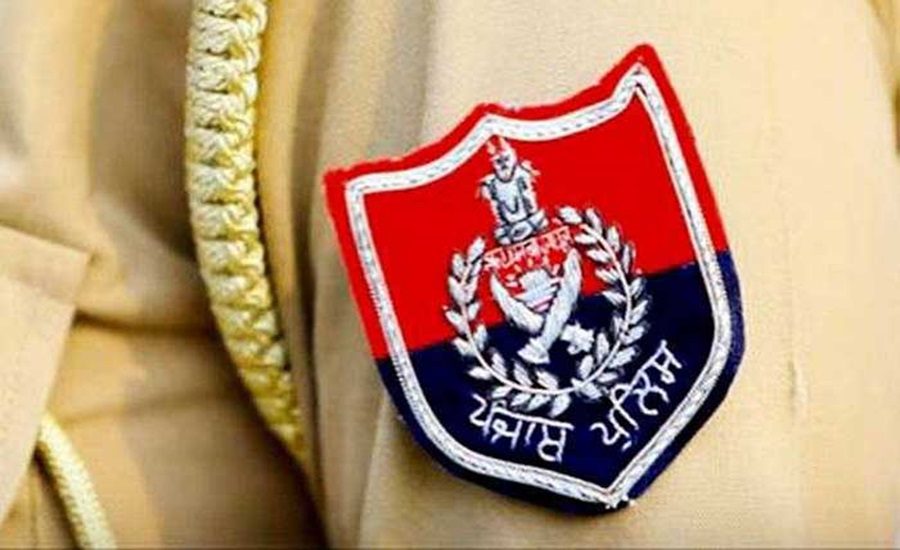
Punjab’s Current DGP Situation
Since July 2022, Punjab has had IPS officer Gaurav Yadav, a 1992-batch officer, serving as acting DGP. His appointment raised eyebrows at the time as he superseded more than 10 senior officers. A senior Punjab government functionary, speaking on condition of anonymity, stated, “No decision on initiating the process for a regular DGP will be taken until the UPSC formally communicates its response to the Supreme Court’s latest order.”
Punjab is not alone in maintaining an acting DGP; over seven states, including Uttar Pradesh, continue with acting DGPs, sometimes for several years. The Supreme Court’s directions were issued to the UPSC, not directly to the states.
Legislative Attempts and Roadblocks
In 2023, the Punjab Assembly passed a bill proposing an alternative mechanism for appointing the DGP, which included a selection committee led by a retired judge of the Punjab and Haryana High Court. However, the governor referred the bill to the President, and without presidential assent, it has not become law. It remains unclear whether the bill has been returned to the state government.
Potential Changes in Appointment Scenario
An AAP government official indicated that Punjab could proceed with sending a panel of eligible officers if the UPSC takes a firm stance. Under current rules, Gaurav Yadav now appears likely to be at the top of the list.
Previously, reluctance to forward a panel was due to Yadav’s junior status relative to other eligible officers at the time, which would have excluded him from UPSC consideration. That situation has now shifted.
Eligibility and Seniority Considerations
States must forward names of DGP-rank officers with at least 30 years of service and a minimum of six months’ residual tenure. Presently, only two officers are senior to Yadav:
- Sanjeev Kalra (1989-batch), retiring February 28, 2026
- Parag Jain (1989-batch), currently serving as RAW chief
Within the 1992 batch, Sharad Satya Chauhan (retiring March 31, 2028) and Harpreet Singh Sidhu (retiring May 31, 2027) are senior to Yadav, who is third in line and due to retire on April 30, 2029. Kuldeep Singh, junior to Yadav, retires December 31, 2026.
Factors favoring Yadav’s appointment include his unique status as the only officer of his batch currently empanelled as DGP at the Centre, as well as the upcoming assembly elections scheduled for early 2027, since having an acting DGP during elections could invite closer scrutiny from the Election Commission.
Looking Ahead
Punjab remains among the key states not adhering fully to the Supreme Court-mandated procedure for DGP appointments. The state government is expected to take measured steps in alignment with the UPSC’s communication and the responses of other states facing similar scrutiny.