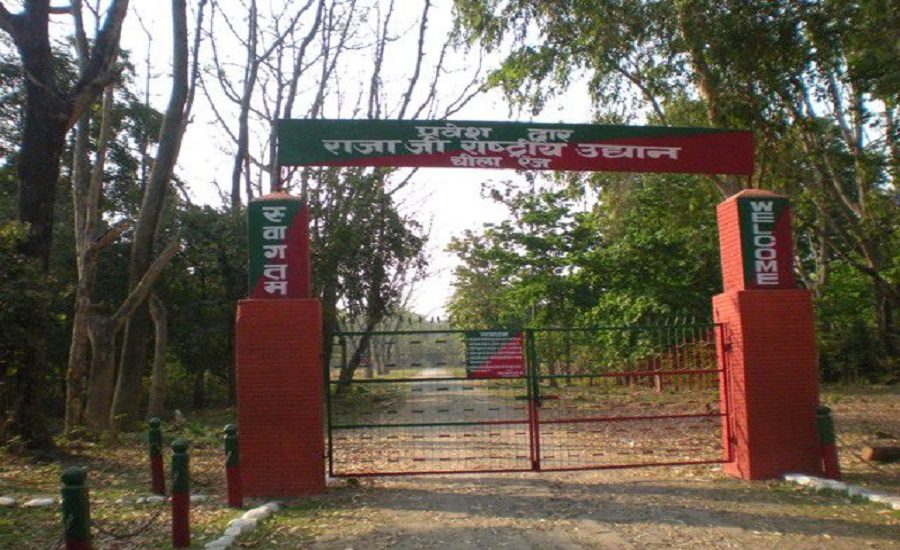
Dehradun: Rajaji Tiger Reserve is emerging as a major source of wildlife dispersal across northern India, with animals from the reserve increasingly moving beyond Uttarakhand into neighbouring states such as Uttar Pradesh, Haryana, Himachal Pradesh and even the outer forest stretches linked to Jammu and Kashmir.
Wildlife experts say this growing pattern of migration is not a sign of ecological stress but rather a powerful indication that the reserve’s habitat quality, prey base and natural corridors remain strong enough to support dispersal.
Wildlife Movement Reflects Ecological Strength
Forest officials describe the movement as a positive sign of ecosystem maturity.
According to Ranjan Kumar Mishra, such dispersal strengthens biodiversity in neighbouring forests and helps maintain ecological balance across wider landscapes.
“This movement enriches the biodiversity of forests in neighbouring states. When animals move from one region to another, it strengthens the local ecosystem and helps maintain a balanced wildlife population. It is also proof that natural wildlife corridors remain functional,” he said.
Experts note that when predators and large herbivores begin expanding naturally, it usually indicates:
- healthy prey availability
- reduced habitat pressure
- functioning forest corridors
- stable breeding populations
Read also: Kuno Becomes India’s Cheetah Breeding Hub, Preparations Underway for Relocation to Nauradehi
Rajaji’s Role as a Northern Wildlife Stronghold
Spread across the forest divisions of Dehradun and Haridwar, Rajaji remains one of northern India’s most critical wildlife landscapes.
The reserve supports major populations of:
- Bengal tiger
- Indian leopard
- Asian elephant
It also shelters:
- Chital
- Sambar deer
- Barking deer
- Nilgai
- Wild boar
- Striped hyena
- Golden jackal
- Indian python
- King cobra
Expansion Beyond Uttar Pradesh Marks New Behavioural Pattern
Wildlife movement into Uttar Pradesh has been regularly documented because of direct forest connectivity.
However, forest experts say the increasing movement into Haryana and Himachal Pradesh reflects a wider ecological spread.
Former forest official Ranganath Pandey explained that wild animals naturally move through ancient corridors.
“Animals do not recognise political boundaries. When an ecosystem remains balanced, wildlife explores new territories using traditional forest routes,” he said.
Elephant Herds Reaching New Frontiers
One of the most notable recent examples involves elephant herds from the Asharodi forest landscape near Dehradun moving toward Himachal Pradesh.
Such movement has drawn attention because elephant migration requires large uninterrupted habitat stretches.
Forest officers also point to occasional reports of elephant movement reaching outer forest belts linked to Jammu and Kashmir, indicating that long-distance ecological connectivity still survives despite growing urban pressure.
Natural Corridors Still Active Despite Urban Expansion
Conservationists view this as evidence that north India’s wildlife corridors are still functioning despite road expansion, urban growth and infrastructure development.
These corridors act as natural highways that allow gene flow, species movement and ecological resilience.
For large mammals, corridor continuity is essential to:
- avoid inbreeding
- reduce conflict pressure
- expand habitat occupancy
- strengthen long-term population stability
Rajaji National Park Wildlife Profile
Area: 820 sq km Elephants: 400–500 Tigers: 50+ Leopards: 80+ Bird Species: 300–400
Rajaji today remains one of the most biologically productive forest systems in north India.
Experts believe that if corridor protection continues, the reserve could play an even larger role in sustaining wildlife populations across northern India.