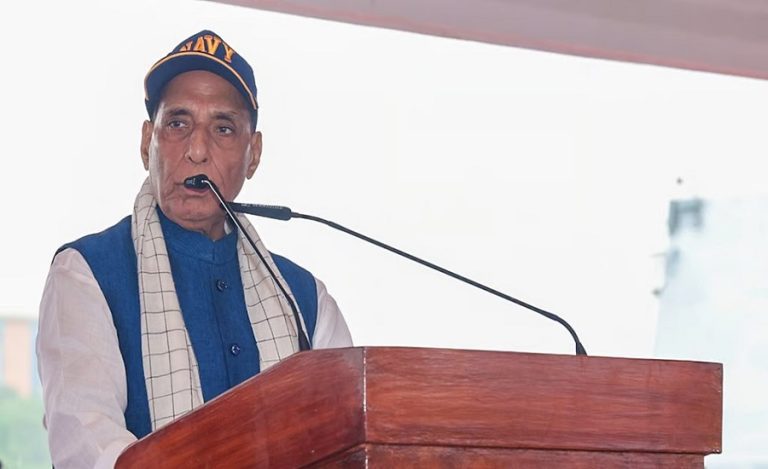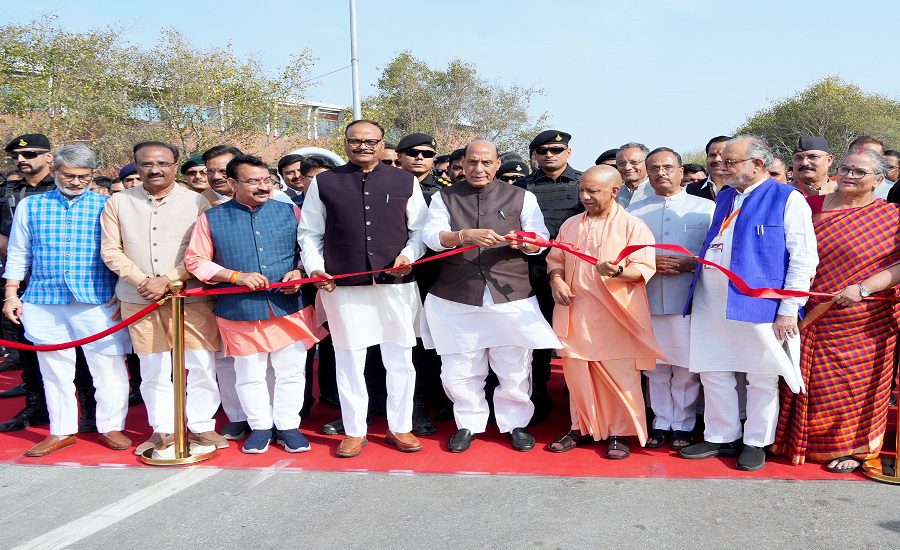
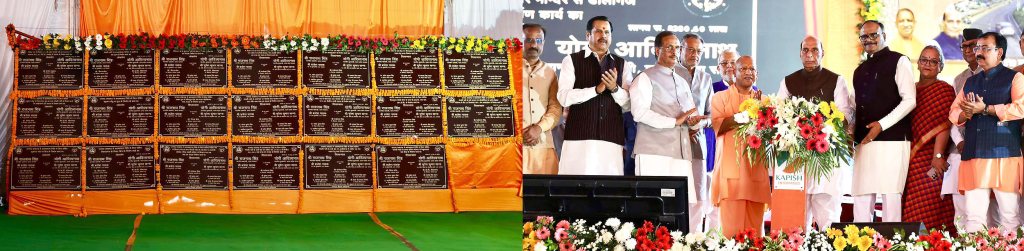
Lucknow: Rajnath Singh inaugurated Phase-II of the Green Corridor Project and laid the foundation stones for Phase-III and Phase-IV in Lucknow. The event was held in the presence of Yogi Adityanath, Deputy Chief Minister Brajesh Pathak and Mayor Sushma Kharkwal.
The project is considered a major step toward improving urban mobility, reducing traffic congestion, and developing smart infrastructure in the state capital under the vision of a “New Uttar Pradesh” and “New Lucknow.”
Major Infrastructure Works Completed in Phase-II
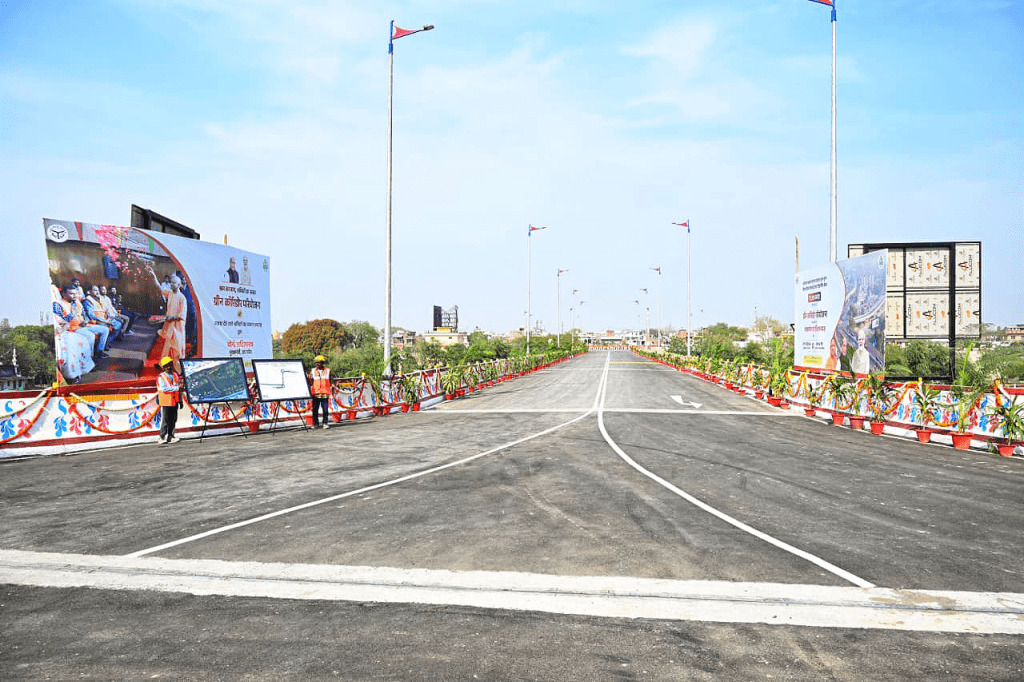
The second phase of the Green Corridor stretches from Samata Mulak Chauraha in Gomti Nagar to Nishatganj, Hanuman Setu, Daliganj and Pakka Pul along the banks of the Gomti River.
Key infrastructure developments in this phase include:
- Construction of a 240-metre long and 24-metre wide six-lane bridge over the Kukrail River at a cost of about ₹45 crore.
- Development of a 1.10-km embankment and road between Kukrail and Nishatganj costing around ₹40 crore.
- Road widening from 10 metres to 18 metres between Hanuman Setu and Gomti Bridge near Nishatganj.
These upgrades are expected to significantly improve traffic movement and reduce travel time across key parts of the city.
Read also: Uttar Pradesh Cabinet Approves 2,500 Sq Meter Land Transfer for New Sports Complex in Ayodhya
Connecting Old and New Lucknow
The Green Corridor has been designed along the Gomti riverfront to create smooth connectivity between old and new areas of the city. Landscaping, horticulture, and beautification work have also been carried out along the corridor to enhance the urban environment.
According to officials, the project will directly benefit around 1.5 million residents by easing traffic congestion and improving accessibility between major city routes.
Phased Development of the Green Corridor
The Green Corridor project is being implemented in four phases by the Lucknow Development Authority.
Phase-I: IIM Road to Pakka Pul – Completed
Phase-II: Pakka Pul to Pipraghat – Completed and inaugurated
Phase-III: Pipraghat to Shaheed Path – Approved for development
Phase-IV: Shaheed Path to Kisan Path – Preparations underway
Once completed, the corridor will stretch about 28 kilometres from IIM Road to Kisan Path, significantly improving traffic flow and connectivity across the city.
Focus on Environment and Urban Planning
During the inauguration, Rajnath Singh highlighted that the project emphasizes environmental conservation. Instead of cutting trees that obstructed construction, more than 150 trees were carefully transplanted to other locations.
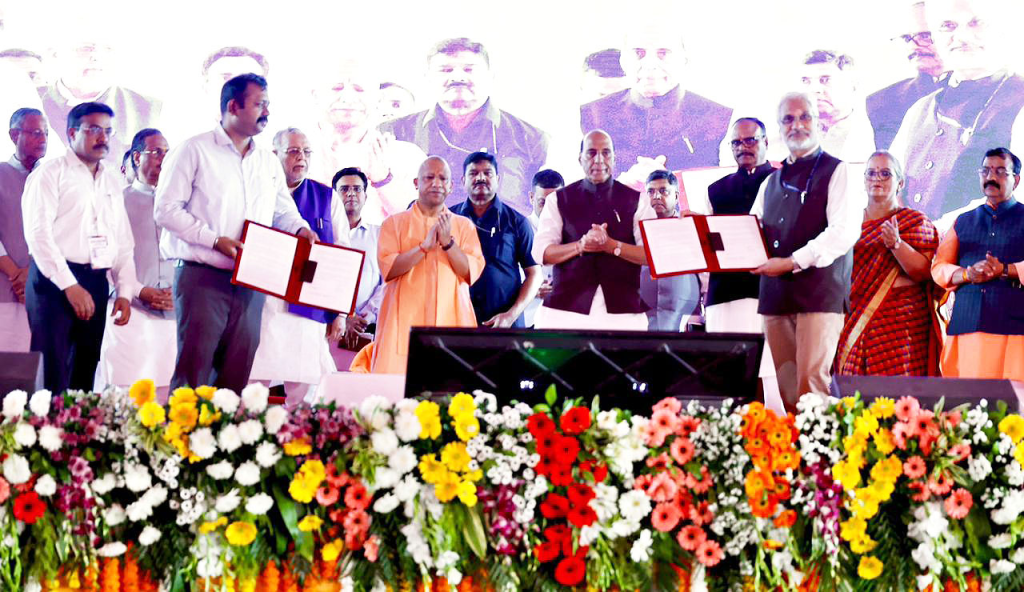
He also announced the exchange of an MoU between the Lucknow Development Authority and the School of Planning and Architecture to support long-term urban planning and prepare a scientific master plan for the city’s development.
Strengthening Infrastructure and Employment Opportunities
The Defence Minister noted that Lucknow is rapidly emerging as an important hub for infrastructure development, defence manufacturing, and technology. Initiatives such as the BrahMos Aerospace integration and testing facility, the Defence Corridor in Uttar Pradesh, and new industrial projects are creating employment opportunities and supporting the “Make in India” initiative.
He also highlighted ongoing improvements in metro expansion, ring roads, flyovers, and civic amenities, which are helping transform Lucknow into a modern and well-connected city.
Lucknow’s Growing National and Global Recognition
Rajnath Singh also pointed out that the city’s cultural heritage continues to gain global recognition. UNESCO has included Lucknow in its Creative Cities Network for Gastronomy, highlighting the city’s rich culinary traditions and cultural identity.
With the Green Corridor project and other infrastructure initiatives, the city is moving toward sustainable, planned and modern urban development while preserving its historical and cultural legacy.