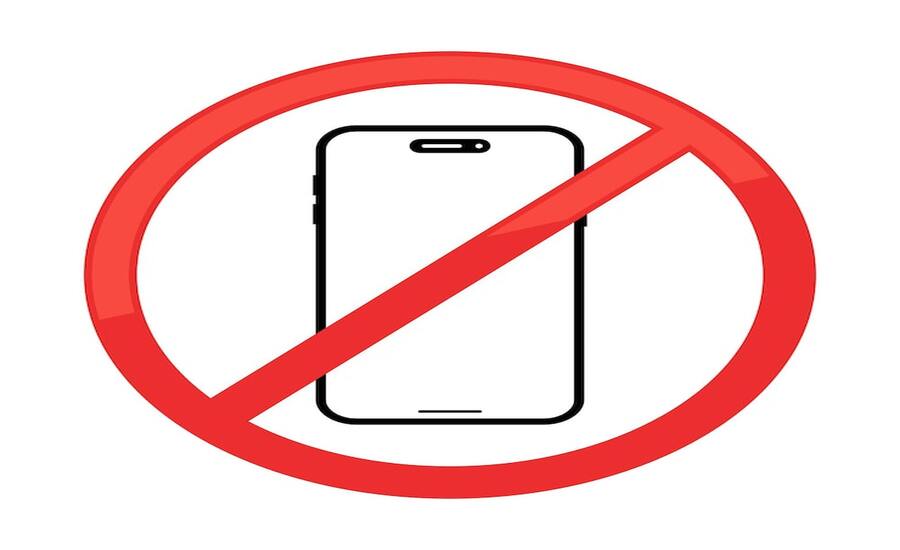
New Delhi: A significant development unfolded in India’s Parliament as the “Right to Disconnect Bill 2025” was introduced in the lower house on December 6, 2025. Tabled by Supriya Sule, a Member of Parliament from the Nationalist Congress Party (NCP), the bill aims to give employees a legal right to “disconnect” from work-related calls, emails, and other communications after office hours or on holidays.
The move reflects growing concern over the blurring boundaries between professional and personal life — especially in a digital age where remote work, instant messaging and 24/7 connectivity are increasingly common. The proposed legislation seeks to ensure that employees can reclaim their personal time, free from the pressure to remain “always online.”
But the “Right to Disconnect” is not the only worker-friendly reform tabled recently: along with it, bills related to menstrual benefits for working women, paid menstrual leave, and journalist protection were presented — signaling a broader push for labor welfare and workplace rights.
Background of Right to Disconnect Bill 2025
The idea of “disconnect rights” in India is not entirely new. As early as 2019, Supriya Sule had previously introduced a draft version of a “Right to Disconnect” bill in Parliament, aimed at ensuring employees the right to disengage from work-related communications after hours.
However, with changing times — increased remote work, tighter integration of digital tools, and rising awareness of work-life stress — the bill has been reintroduced with renewed urgency and wider public relevance.
With remote work and digital communication becoming ubiquitous — especially post pandemic — many employees find themselves tethered to work beyond conventional office hours. Late-night emails, weekend calls, or holiday messages have increasingly become the norm rather than the exception. Over time, this “always-on” culture has contributed to burnout, stress, and a deteriorating work-life balance.
Experts have long warned that excessive after-hours demands can lead to sleep deprivation, emotional exhaustion, and declining mental health for employees.
Though some private organizations in India and abroad have instituted internal policies to limit after-hours communication, there has not been a statutory or legal right granted — leaving many workers vulnerable to employer pressure, especially in less-regulated sectors. The Right to Disconnect Bill seeks to fill that void.
Global Context: What Other Countries Are Doing
Globally, the concept of the “right to disconnect” has gained traction over the past decade. Several countries have incorporated laws or labour-policy guidelines to guarantee that employees can log off after working hours without fear of retaliation.
India’s legislative push mirrors this global trend — reflecting evolving understanding of workplace well-being, mental health, and the right to personal time in an age of constant connectivity.
Key Provisions of the Right to Disconnect Bill 2025
Legal Right to Disconnect: Every employee — permanent, contract or otherwise — will be legally entitled to ignore work-related calls, emails or messages beyond official working hours or during holidays.
No Retaliation for Non-Responsiveness: Employees cannot be penalised, demoted, terminated or discriminated against for refusing to respond to after-hours communications.
Establishment of an Employees’ Welfare Authority: The bill proposes setting up an authority responsible for ensuring compliance and safeguarding employee rights under the bill.
Penalties for Non-Compliance: Entities (employers, companies or societies) that violate the provisions may face sanctions — including a penalty equivalent to 1 % of total employee remuneration.
Coverage Across Sectors: The bill applies broadly — whether public or private sector, permanent or contractual employees — emphasizing inclusiveness.
Key Broader Parliamentary Wave: Other Worker-Welfare Bills
The Right to Disconnect Bill was introduced alongside other private member bills seeking to address labour welfare, gender-specific concerns, and press safety. According to the bill-list presented in the House:
Menstrual Benefits Bill, 2024 — proposed by Kadiyam Kavya (Congress MP), this bill calls for workplace facilities and support for women during menstruation.
Paid Period Leave Bill — Introduced by Shambhavi Chaudhary (LJP MP), seeking paid menstrual leave for working women and female students, along with hygiene and health-related provisions.
Other bills include demands for journalist protection, changes in exam eligibility (eg. NEET exemption), and a proposal to abolish the death penalty.
While many private member bills historically fail to become law — often withdrawn after government response — the current wave signals rising attention toward labour welfare, gender rights, and workplace mental health in India.
Importance of Right to Disconnect Bill 2025
For Employees: A Potential Game-Changer
If passed, the Right to Disconnect Bill could significantly improve work-life balance for millions of Indian employees across sectors. By granting a legal right to ignore after-hours work communication, it could:
- Reduce stress, burnout, and sleep deprivation associated with “always-on” work culture.
- Protect personal time — evenings, weekends, holidays — creating clearer boundaries between work and life.
- Empower employees in lower-wage, contract-driven sectors who currently face high employer pressure and limited bargaining power.
For Employers and Organisations: A Call to Re-think Work Culture
The bill encourages companies to rethink internal communication norms, work expectations, and resource allocation. It may lead to:
- Adoption of formal “after-hours communication policies” or “no-email” windows.
- Emphasis on planning work within office hours — better scheduling of meetings and deliverables.
- Potential adjustments in staffing or workloads to ensure obligations are met without overburdening employees.
For Society: Mental Health, Productivity, and Labour Rights
Improved work-life balance may lead to better mental health outcomes, reducing stress-related illnesses.
Over time, a workforce that is rested and more balanced may deliver better productivity and lower absenteeism — benefiting both employees and employers.
From a labour-rights perspective, the bill may set a precedent for further reforms, protecting workers in an increasingly digital, gig-driven economy.
Key Challenges, Critique and What’s Next
While the bill holds promise, there are practical and legal challenges ahead:
Implementation & Enforcement: Ensuring that companies — including small businesses and informal employers — comply may be difficult. The effectiveness of the proposed Employees’ Welfare Authority remains to be seen.
Defining “Office Hours” for Flexible/Remote Work: In many jobs, work hours are not standard. For remote, freelance or flexible schedules, defining when “work stops” could be complicated.
Global Competitiveness & Business Pushback: Some employers may resist constraints, arguing that business needs — especially in global operations — demand 24/7 availability across time zones.
Private Member Bill Limitation: Historically, private member bills seldom become law — often because the government declines to adopt them. Unless the ruling party or coalition backs it, the bill could be withdrawn or fail to pass.
Still, given rising public awareness about burnout, mental health, and labour rights — and given ongoing debates surrounding other welfare bills (menstrual leave, gender equality, journalist protection) — the Right to Disconnect Bill could find increasing support in civil society and among worker groups.
Read also: Government Enforces 4 Labour Codes, Marking India’s Most Ambitious Labour Reform Since Independence