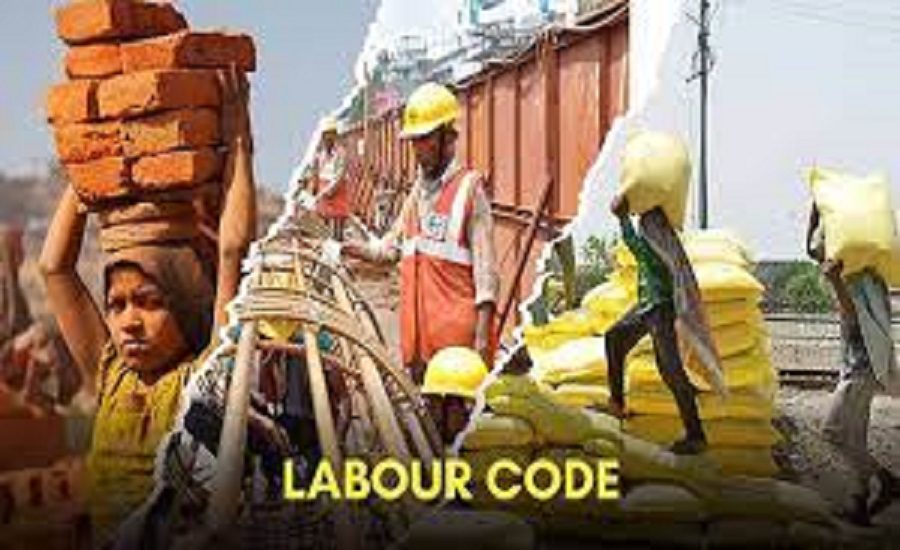
New Delhi: In a watershed moment for India’s labour landscape, the Government of India has officially enforced the four Labour Codes the Code on Wages (2019), Industrial Relations Code (2020), Social Security Code (2020), and the Occupational Safety, Health and Working Conditions Code (2020) effective 21 November 2025. By consolidating and rationalising 29 central labour laws, the reform marks one of the most far-reaching overhauls of India’s labour governance since Independence.
The notification of these Codes aims to modernise India’s labour framework, enhance worker welfare, simplify compliance for industries, and prepare the nation for a rapidly evolving global workplace. The reforms promise a transformative shift toward a labour ecosystem that is more inclusive, progressive and aligned with the government’s vision of Aatmanirbhar Bharat.
A Shift Away from Fragmented Colonial-Era Laws
For decades, India’s labour laws have remained fragmented and outdated. Many were enacted between the 1930s and 1950s, when the country’s economic structure and workforce profile were completely different. While major global economies have steadily upgraded and consolidated their labour regulations, India continued to navigate a cumbersome network of overlapping provisions.
This fragmented approach often resulted in confusion, high compliance costs, limited worker protection, and an inability to adapt to changing job markets including the rapid emergence of gig, platform, and digital employment. The four Labour Codes address these structural challenges by replacing outdated legislation with a streamlined, contemporary, and future-ready framework.
Prime Minister Modi Calls It a Historic Reform
Prime Minister Narendra Modi hailed the implementation of the Labour Codes through a post on X, saying:
“Shramev Jayate! Today, our Government has given effect to the Four Labour Codes. It is one of the most comprehensive and progressive labour-oriented reforms since Independence. It greatly empowers our workers. It also significantly simplifies compliance and promotes ‘Ease of Doing Business.’”
His statement underscores the government’s dual objective: strengthening worker rights while enabling industry-friendly processes that support economic expansion.
Strengthening Workers’ Rights and Protections
A central feature of the new Labour Codes is the formalisation of employment. For the first time, appointment letters have been made mandatory for all workers, ensuring written proof of employment, clarity of service conditions, and improved job security.
The Codes significantly widen the social security net. Earlier, social security coverage was restricted to specific sectors and job types. Now, under the Social Security Code, all workers—including gig workers, platform workers, and migrant labour—are eligible for provident fund, ESIC benefits, insurance, and other welfare schemes. ESIC coverage has also been expanded nationwide, becoming mandatory even for establishments with a single employee engaged in hazardous processes.
Another major reform is the standardisation of minimum wages. While earlier only scheduled industries enjoyed minimum wage protection, the Code on Wages makes minimum wages a statutory right for all workers, along with the guarantee of timely wage payments. Workers above the age of 40 will also receive free annual health check-ups, strengthening preventive healthcare in the workplace.
Women workers stand to gain substantially from the new reforms. Restrictions on women’s employment in night shifts and certain categories of work—such as mining and heavy machinery—have been removed. Subject to their consent and safety conditions, women are now allowed to work in all sectors and during night hours, paving the way for greater participation in higher-paying roles. The Codes also prohibit gender discrimination, ensure equal pay for equal work, and mandate women’s representation in grievance redressal committees.
Transformative Impact Across Sectors
Industries across the spectrum—from IT and textiles to mines, plantations, audiovisual media, and hazardous manufacturing—will experience the impact of these reforms.
Fixed-term employees will now receive benefits equivalent to permanent workers, including gratuity eligibility after just one year of service. This provision is expected to reduce excessive dependence on contractual labour and promote more equitable workplaces.
Gig and platform workers, a rapidly growing segment of India’s digital economy, have been formally recognised in law for the first time. Aggregators will be required to contribute a portion of their turnover towards their social security, while a universal Aadhaar-linked account number will ensure benefit portability across states—particularly important for India’s mobile workforce.
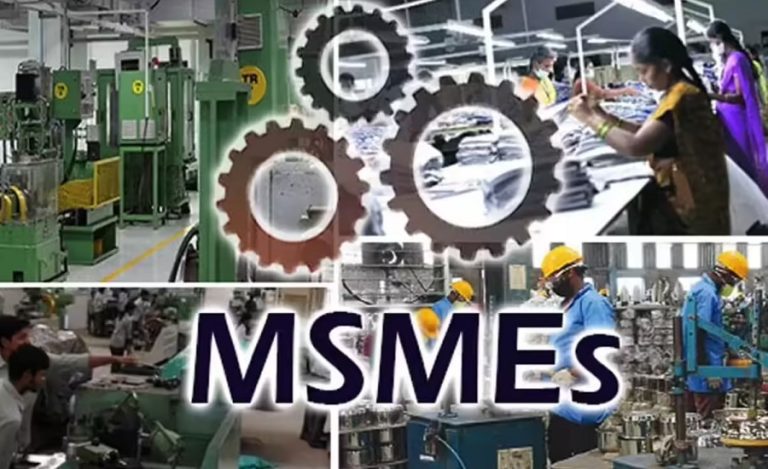
MSMEs, which employ a large share of India’s workforce, will benefit from streamlined compliance procedures. The Codes introduce single registration, a single return, and a pan-India single licence, replacing multiple overlapping filings. However, workers in MSMEs will continue to enjoy comprehensive protections, including standard working hours, paid leave, access to basic amenities like drinking water and rest areas, and double wages for overtime.
From beedi and cigar workers to dock labourers and plantation employees, the Codes introduce sector-specific reforms that ensure minimum wages, safe working conditions, access to medical facilities, and timely payment of dues. In the IT and ITES sector, the Codes mandate the release of salaries by the 7th of every month, ensure equal opportunities for women workers—including night shifts—and expedite resolution of harassment and wage disputes.
Modern Compliance Architecture and Faster Dispute Resolution
To ease the compliance burden on employers, the Codes shift from a rigid inspection system to an “inspector-cum-facilitator” model. Instead of punitive enforcement, the emphasis is now on guidance, capacity-building, and supportive compliance.
A National Occupational Safety and Health (OSH) Board will be established to set uniform national safety standards. Safety committees will be mandatory in larger establishments, ensuring accountability and proactive workplace management.
Industrial disputes will be addressed through a more efficient mechanism. Two-member Industrial Tribunals will replace older structures, enabling faster and more predictable resolution. Workers can also directly approach tribunals if conciliation fails.
Building a Safer, More Inclusive, and Mobile Workforce
One of the defining achievements of the Labour Codes is the focus on portability of benefits. Migrant workers, who often lost access to welfare schemes when moving across states, will now enjoy uninterrupted entitlements. The Codes also reinforce protections against discrimination, extending them to transgender persons as well.
The introduction of a national floor wage ensures that no worker in any state is paid below a minimum standard required for decent living, thus reducing disparities.
Over the past decade, India has expanded social security coverage from 19% of the workforce in 2015 to over 64% in 2025. With the implementation of the Labour Codes, the coverage is set to widen further, positioning India as a global leader in labour welfare expansion.
A New Chapter in India’s Labour Governance
As India transitions to the new regulatory framework, the government will continue consultations with stakeholders to frame rules, schemes, and regulations under the Codes. During this transition period, existing laws and notifications will remain operational where necessary.
The enactment of the four Labour Codes represents a decisive step toward a pro-worker, pro-women, pro-youth, and pro-employment labour ecosystem. By balancing welfare with economic flexibility and simplifying procedures for employers, the Codes are expected to drive job creation, enhance productivity, and strengthen the country’s economic resilience. India’s labour reforms have finally entered a new era—one that recognises the needs of a modern workforce, supports dynamic industries, and upholds the principles of social justice and dignity for all workers.