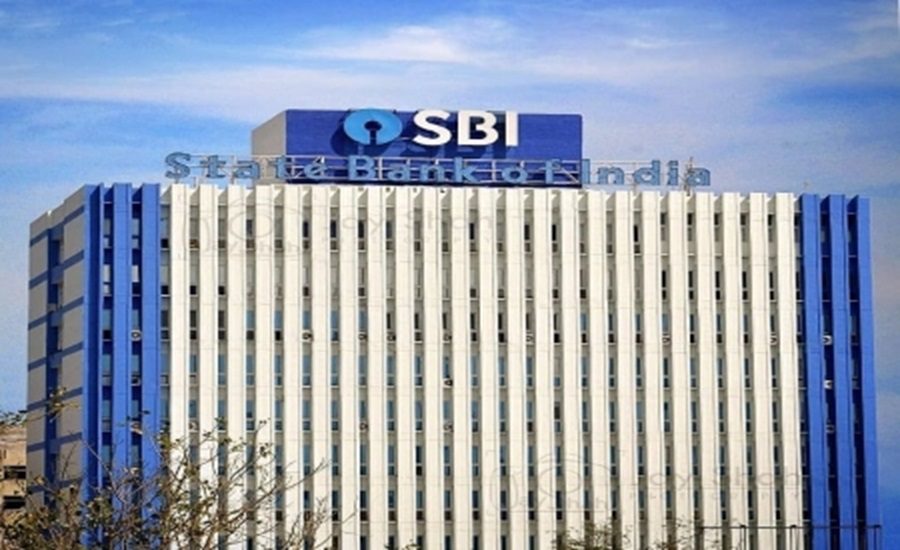
Mumbai: India’s largest bank, State Bank of India (SBI), has received strong credit rating affirmations from both India Ratings and Research Pvt. Ltd. (Ind‑Ra) and CRISIL Ratings, reinforcing investor confidence in the bank’s financial strength, market position, and risk profile.
Key Credit Rating Affirmations
On 5 March 2026, Ind‑Ra reaffirmed SBI’s Long-Term Issuer Rating at IND AAA/Stable, highlighting its robust fundamentals and systemic importance. The ratings for major debt instruments are as follows:
- Basel III Tier II Bonds:
- INR 75 billion — IND AAA/Stable (assigned)
- INR 175 billion — IND AAA/Stable (affirmed)
- INR 75 billion — IND AAA/Stable (assigned)
- Basel III Additional Tier I Bonds: INR 139.74 billion — IND AA+/Stable (affirmed)
- Infrastructure Bonds: INR 400 billion — IND AAA/Stable (affirmed)
- Long-Term Bonds: INR 200 billion — IND AAA/Stable (affirmed)
- Certificates of Deposit (Short Term): INR 300 billion — IND A1+ (affirmed)
Similarly, CRISIL Ratings reaffirmed key instruments, including Crisil AAA/Stable for Tier II and infrastructure bonds, AA+/Stable for Additional Tier I instruments, and A1+ for certificates of deposit.
Why SBI’s Strong Ratings Matter
Both rating agencies highlighted SBI’s resilience and market leadership as the key drivers of its strong ratings:
Dominant Market Position
SBI continues to hold the largest market share among Indian banks in deposits and advances, operating over 23,000 branches nationwide and maintaining extensive digital reach.
Robust Asset Quality
The bank has improved its Gross Non-Performing Assets (GNPA) and Net NPA (NNPA) through prudent risk management and provisioning, outperforming many peers.
Strong Capital and Liquidity Profile
SBI maintains competitive capital adequacy and liquidity coverage ratios, ensuring its ability to absorb stress while supporting growth.
Diversified Business Portfolio
The bank’s diverse operations—including retail banking, corporate lending, fee-based income, and digital payment solutions—enhance its stability and earnings potential.
Ind‑Ra specifically noted SBI’s franchise strength, systemic importance, and superior asset quality compared with most public sector banks, while CRISIL emphasized expected support from the Government of India, SBI’s majority shareholder.
Financial Highlights
Standalone (FY25):
- Total Assets: ₹66,760.5 billion
- Net Income: ₹709.0 billion
- Return on Assets (ROA): 1.10%
Consolidated (December 2025):
- Total Assets: ₹78,81,070 crore
- Overall Capital Adequacy Ratio: 14.2%
- Return on Assets: 1.1%
- CASA ratio: ~39%
Asset quality has improved steadily, with GNPA at 1.57% as of December 2025, while low-cost CASA deposits and strong capitalization support future growth.
Instrument Complexity and Ratings
SBI’s Basel III Tier I bonds are classified as highly complex, Tier II bonds as complex, and Certificates of Deposit as simple. CRISIL withdrew ratings on fully redeemed older bonds, aligning with its rating policy.
About State Bank of India
Founded in 1955, SBI is India’s largest public sector bank, providing comprehensive banking services across retail, corporate, and digital segments. With a nationwide presence and strong government backing, SBI continues to play a pivotal role in India’s financial ecosystem, supporting economic growth while maintaining robust asset quality and market leadership.
Read also: SBI Q3 FY26 Results: Net Profit Soars 24.5% YoY to ₹21,028 Crore, NPAs Improve Sharply