New Delhi: The Sindoor formation flypast will be a key aerial highlight of India’s 77th Republic Day parade on January 26, 2026. For the first time ever, the Indian Air Force is set to fly a special seven-aircraft formation — named Sindoor — featuring Rafale, Su-30MKI, MiG-29 and Jaguar fighter jets.
This formation honours Operation Sindoor, a major air and tri-services military campaign from May 2025, and celebrates India’s growing aerial combat capability.
What Is the Sindoor Formation Flypast and Its Significance
The Sindoor formation will see seven frontline combat jets flying in coordinated display:
- 2 × Dassault Rafale fighters
- 2 × Sukhoi Su-30MKI fighters
- 2 × MiG-29 fighters
- 1 × SEPECAT Jaguar fighter
These aircraft represent the core platforms that took part in Operation Sindoor last year — a swift military retaliation that involved precision air strikes and coordination across services following the Pahalgam terror attack in Jammu & Kashmir.
Read also: Republic Day 2026: AI-Equipped Smart Glasses to Help Delhi Police Identify Criminals in Seconds
Named after a culturally resonant term, the “Sindoor” label symbolises both the emotional weight of loss and the nation’s resolve in its response to terrorism and cross-border threats.
Flypast Details: Scope and Formation Line-up
This year’s aerial display will include a total of 29 aircraft, organised in multiple formations demonstrating the breadth of the IAF’s operational reach:
- 16 fighter aircraft
- 4 transport planes
- 9 helicopters
In addition to the Sindoor formation, spectators will witness formations named Vajrang, Varuna, Garud, Prahar, Dhwaj and others — each symbolising historic, operational and thematic elements of India’s defence capabilities.
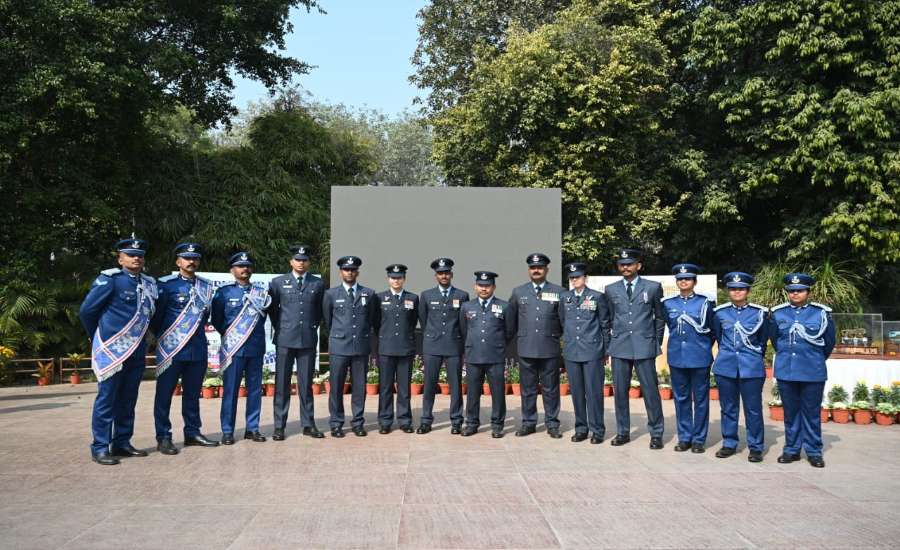
The Indian Air Force (IAF) conducted its Press Preview for the #RepublicDay Parade (RDP) 2026, providing a detailed overview of the marching contingent, Veterans' tableau and the flypast that will feature prominently during the national celebrations at Kartavya Path
— PIB India (@PIB_India) January 22, 2026
Briefing the… pic.twitter.com/qhTf2FKOe2
The flypast will also feature support and utility helicopters such as the Advanced Light Helicopter (ALH), Apache attack helicopters, maritime surveillance aircraft like the P-8I, and the Mi-17 utility helicopter.
Operation Sindoor: Historical Context and Legacy
Operation Sindoor was launched on 7 May 2025, in response to a brutal terror attack in Pahalgam that killed dozens of civilians. Indian airborne and ground forces carried out precision strikes on terror infrastructure and hostile military assets across the Line of Control and into regions of Pakistan-administered territory.
The operation involved a coordinated attack by Rafale and Su-30MKI jets alongside support from artillery and air defence units. Indian officials reported that high-precision munitions and advanced avionics were used to target terror camps and infrastructure while avoiding wider escalation.
Though some external sources suggested losses on both sides, the Government of India later clarified that no Rafale jets were lost in the operation and emphasised its operational success against terror networks.
Operation Sindoor has since become a part of seasonal defence commemorations, with gallantry awards recognising personnel involved and its legacy now reflected in Republic Day celebrations.
Sindoor Formation Flypast: Strategic Messaging and National Pride
The Sindoor flypast is not just a military display — it serves multiple purposes:
- Honours armed forces personnel who executed complex cross-border operations
- Showcases India’s air combat readiness, technological sophistication and doctrinal evolution
- Reinforces national unity and sentiment during a major national event
By including advanced jets such as Rafale and Su-30MKI, the formation underscores India’s continued emphasis on modernising its air fleet and expanding multi-domain defence capabilities.
Read also: From Drones to Rafales: How Operation Sindoor Changed Indian Defence Spending Pattern