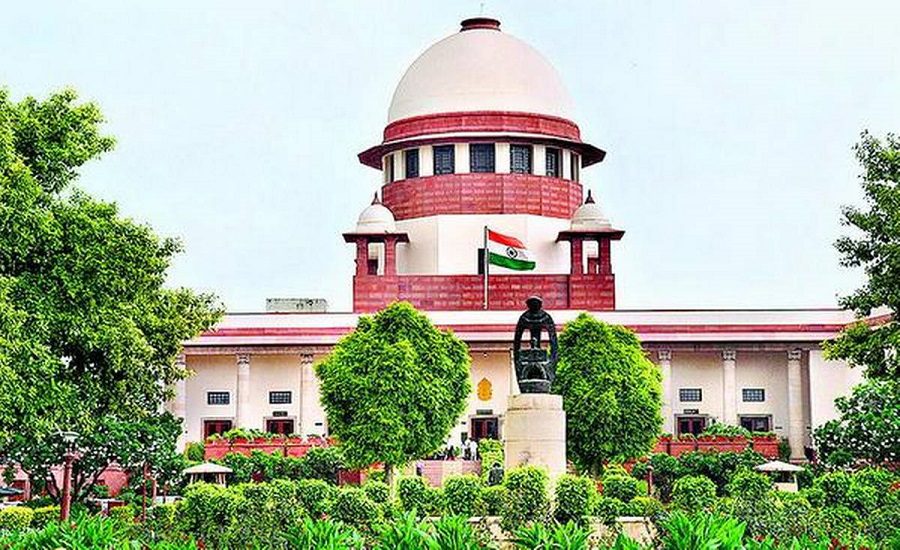
New Delhi: The Supreme Court on Bar Council elections has made a significant observation, saying there appears to be no justification in preventing Bar Association office bearers from contesting Bar Council elections. The Court has asked the bar council of india to reconsider its rule that bars such candidates.
This development could have a major impact on how lawyers participate in regulatory elections across India. The issue touches the core of legal governance, democratic representation, and fairness in professional bodies.
Background of Bar Council Elections Rule
The controversy relates to a rule framed by the BCI. Under this rule, lawyers who hold positions such as President, Secretary, or other office bearers in Bar Associations are not allowed to contest elections to State Bar Councils unless they resign from their association posts.
Read also: Why Supreme Court Refused SC/ST Reservation in Bar Councils: Full Story Behind the Landmark Decision
Several lawyers challenged this restriction. They argued that:
- The rule is arbitrary.
- It violates their right to contest elections.
- It is not supported by the parent law, the .
The matter reached the for review.
What Did the Supreme Court Say on Bar Council Elections Rule
The Bench observed that there seems to be no clear justification for completely barring Bar Association office bearers from contesting Bar Council elections.
The Court questioned:
- Why should holding a Bar Association post automatically disqualify someone?
- Is there any conflict of interest strong enough to justify such a blanket ban?
- Does the rule go beyond what the law allows?
The judges asked the BCI to reconsider the rule and review whether such a restriction is necessary or legally valid.
The Court did not immediately strike down the rule but directed the BCI to rethink its position.
Understanding the Role of the Bar Council of India
The is the top regulatory body for lawyers in India. It was created under the Advocates Act, 1961.
Its main functions include:
- Regulating legal education.
- Setting professional standards.
- Conducting disciplinary proceedings.
- Supervising State Bar Councils.
State Bar Councils conduct elections to select members who represent advocates in that state. These elections are an important part of legal self-governance.
Why Is This Issue Important?
Bar Councils are elected bodies. If Bar Association office bearers are prevented from contesting, it limits the choice of candidates available to voters.
Many experienced lawyers actively participate in Bar Associations. Preventing them from contesting may reduce competition and diversity.
Legal Validity
The lays down qualifications and disqualifications for Bar Council membership.
Petitioners argued that:
- The Act does not mention such a disqualification.
- The BCI cannot add extra restrictions beyond the law.
The Supreme Court’s observation suggests that the rule may need closer examination under the parent statute.
Conflict of Interest Debate
The BCI may have introduced the rule to prevent:
- Influence over voters.
- Misuse of association positions.
- Dual power concentration.
However, the Court appears unconvinced that a total ban is the right solution.
A more balanced approach, such as disclosure norms or safeguards, may be possible.
The Legal Principle Involved
The core constitutional issue revolves around:
- Reasonableness of restrictions.
- Whether subordinate legislation can go beyond the main Act.
- Fair opportunity in elections.
The has repeatedly held in past judgments that rules framed under a statute must remain within the boundaries of that statute.
If a rule imposes an additional disqualification not found in the parent Act, it may be struck down.