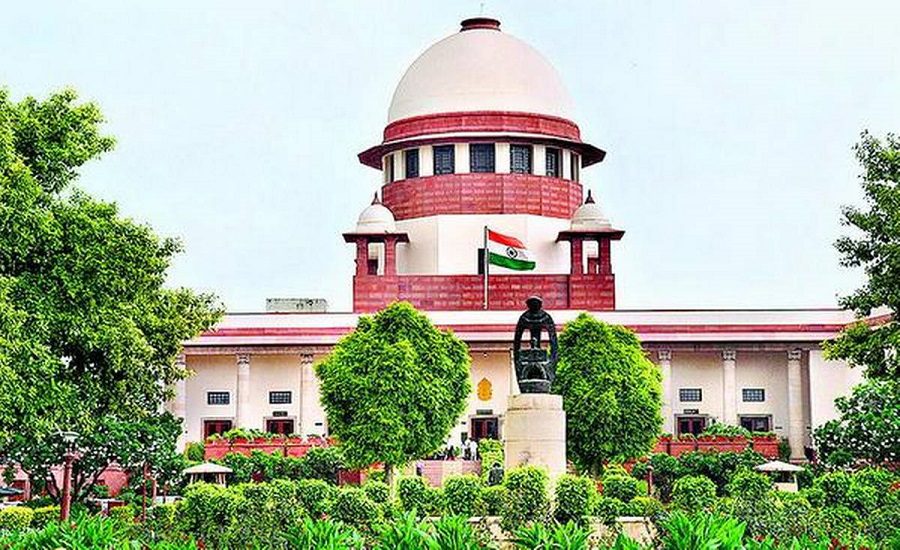
New Delhi: The Chief Justice of India (CJI) on Tuesday raised serious concerns over the impact of hastily drafted laws on the Indian judicial system, citing Delhi’s increasing check-bounce cases as a major contributor to the burden on courts. During the hearing of a high-profile caste violence case from Karnataka, the Supreme Court declined bail to the accused, stressing the need to first record statements from crucial witnesses.
Unplanned Laws Adding Pressure to Courts
Speaking during the hearing, the CJI questioned the central government’s approach to creating special laws without assessing their impact on the judiciary. “Whenever you make a special law, do you ever study how many cases it will generate and how much pressure it will put on the system?” he asked. He referenced a recent report indicating that cases under Section 138 (check bounce) in Delhi alone are overwhelming the judicial system.
The CJI further remarked, “You create laws, but you neither increase courts nor prepare the infrastructure to handle these cases.” His comments underline the ongoing challenges in balancing legislative action with judicial capacity.
Karnataka Caste Violence Case: Bail Denied
The remarks were made during the hearing of a case related to caste-based violence in Karnataka. The accused is alleged to be an active member of the notorious ‘Tiger Gang’ and is identified as a ringleader involved in extortion and coercive collection of money.
During the proceedings, the CJI also commented sharply on the accused’s condition in jail, saying, “He is the ringleader and may be enjoying himself even in jail. We all know what happens inside prisons.” The accused’s counsel objected, citing his client’s serious medical condition, including a previous kidney transplant. The CJI responded sarcastically, noting, “Then how safe and comfortable is jail for his recovery?”
Witness Protection Concerns
The prosecution informed the court that the accused faces 12 extortion-related cases, eight of which saw acquittals because key witnesses retracted their statements. Government lawyers highlighted the risk of witnesses turning hostile if the accused were granted bail. The Attorney General informed the court that the trial is ongoing on a weekly basis and could conclude within a year if current proceedings continue.
Court’s Bail Order and Directives
The Supreme Court refused to grant bail at this stage, instructing that all primary and critical witnesses must be recorded first. Only after recording these statements can the accused file a fresh bail application. Trial courts and high courts have been directed to prioritize recording witness testimonies before reconsidering bail applications.
Policy and Judicial Coordination
Through these remarks, the CJI reiterated that laws enacted without proper planning not only burden courts but also slow down the pace of justice. The comments highlight the critical need for coordination between policy-making and judicial administration to ensure effective and timely justice delivery.