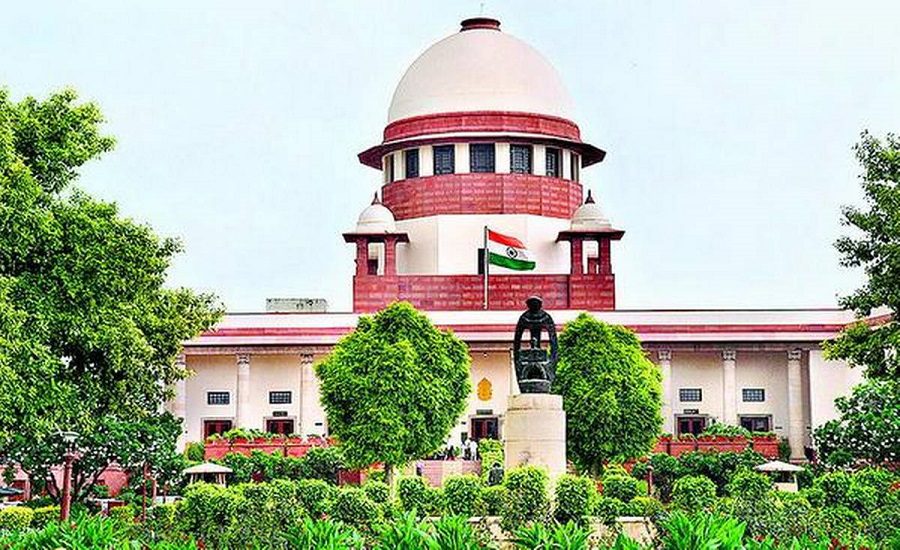
Chandigarh: In a significant development aimed at bolstering the strength of the judiciary, the Supreme Court Collegium has recommended the elevation of two judicial officers as judges of the Punjab and Haryana High Court. The decision, taken during the Collegium’s meeting on December 16, 2025, reflects ongoing efforts to address vacancies at one of India’s busiest high courts and improve the delivery of justice in the region.
The recommendation marks a key step in the constitutional process of judicial appointments in India, in keeping with established constitutional and procedural norms.
Understanding the Supreme Court Collegium System
Under the Collegium System, the Chief Justice of India (CJI) and the four senior most judges of the Supreme Court collectively decide on the appointment and transfer of judges to the Supreme Court and High Courts. While the Union Government plays a formal role in issuing warrants of appointment, the initiation and recommendation of candidates originate within this judicial body.
This system evolved through Supreme Court judgments in the Second and Third Judges Cases, affirming the judiciary’s primacy in judicial appointments as part of the basic structure doctrine of the Constitution. The objective is to uphold judicial independence by minimizing executive influence in the selection of judges.
Details of the Recent Supreme Court Collegium Recommendation
In its most recent resolution, the Supreme Court Collegium, headed by Chief Justice of India Surya Kant, approved the names of the following judicial officers for elevation to the High Court:
- Shri Ramesh Chander Dimri
- Ms. Neerja Kulwant Kalson
Both officers were recommended following a proposal originally initiated by the Chief Justice of the Punjab and Haryana High Court, in consultation with the two senior-most judges of that court — a procedural requirement under the Memorandum of Procedure (MoP) governing judicial appointments.
These recommendations are now expected to be forwarded to the Union Ministry of Law and Justice, following which the Government of India will undertake standard background checks and formalities before notifying the presidential warrants of appointment.