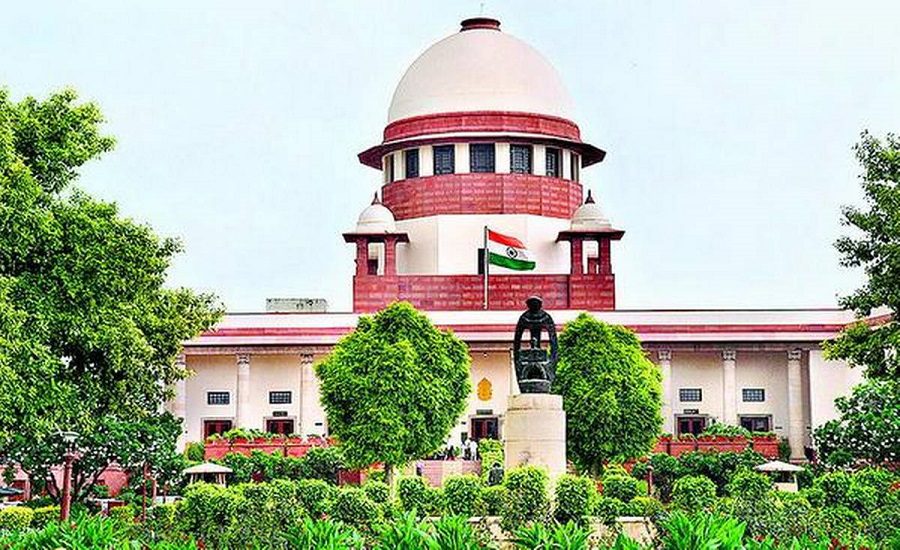
New Delhi: The Supreme Court of India has refused to grant reservation for Scheduled Caste (SC) and Scheduled Tribe (ST) advocates in elections to the State Bar Councils and the Bar Council of India (BCI), stating that such a measure can only be introduced through a statutory amendment in law.
The court made clear that while the issue of representation is important, only Parliament can enact the legal changes necessary to create reservation categories under the Advocates Act, 1961.
Background of the SC/ST Advocates Reservation in Bar Councils
The plea was filed by the Universal Dr. Ambedkar Advocates Association seeking a declaration that the phrase “proportional representation” under Section 3(2)(b) of the Advocates Act includes SC/ST representation in Bar Councils.
Read also: Former CJI BR Gavai Advocates Creamy Layer Principle for Scheduled Castes Reservations
Petitioners argued that historical under-representation of these communities in bar leadership undermines equality in the legal profession. Alternatively, they urged the court to direct temporary reservation for SC/ST advocates until legislation is passed.
Arguments: Why Advocates Wanted Reservation
- Lack of Representation: Petitioners pointed out that SC and ST lawyers have historically been absent from leadership positions in State Bar Councils and BCI.
- Comparisons with Other Groups: Counsel referred to past court efforts encouraging inclusion of women and specially-abled lawyers in various legal bodies, and argued that SC/ST advocates deserve similar consideration.
- Alternative Remedies Suggested: They asked the court to consider interim measures such as lowered fees for SC/ST advocates or co-option mechanisms to improve representation in the short term.
SC/ST Advocates Reservation in Bar Councils: The Supreme Court’s Reasoning
A bench headed by Chief Justice Surya Kant, along with Justices Joymalya Bagchi and Vipul Pancholi, declined to issue the reservation directive.
The court made several points:
- Legal Framework: It noted that there is no express provision for caste-based reservation in the Advocates Act or relevant rules, and that such reservation can only be added through legal amendment by Parliament.
- Active Consideration by Authorities: The court acknowledged that the Telangana State Bar Council and the BCI have already taken the issue up with competent authorities.
- Women’s Representation: While petitioners cited past emphasis on gender representation, the bench said that women’s inclusion was achieved through consensus and support from bar members, not by imposing reservations judicially.
The Supreme Court clarified that it finds it difficult to issue a mandamus directing reservation in the absence of a statutory provision.
What This Means for SC/ST Advocates
- No Immediate Reservation: Scheduled Caste and Scheduled Tribe advocates will not receive caste-based reservation in Bar Council elections at this time.
- Legislative Route Required: For any reservation to become law, Parliament must amend the Advocates Act or related statutes.
- Future Legal Remedies: Petitioners may approach competent authorities again or pursue future legal proceedings should legislative action stall.
Broader Representation Issues in Legal Institutions
This case highlights ongoing debates over inclusive representation within India’s legal institutions.
In recent years, the Supreme Court has taken up related issues, including:
- Women’s representation mandates in Bar Councils.
- Challenges for specially-abled advocates seeking reservation in elected legal bodies.
- Gender disparity notices citing under-representation of women in bar leadership.
These trends indicate a growing focus on widening participation across diverse social groups within legal governance structures.
Read also: What the Supreme Court’s Proposed SOP Means for Thousands of Missing Children Cases in India