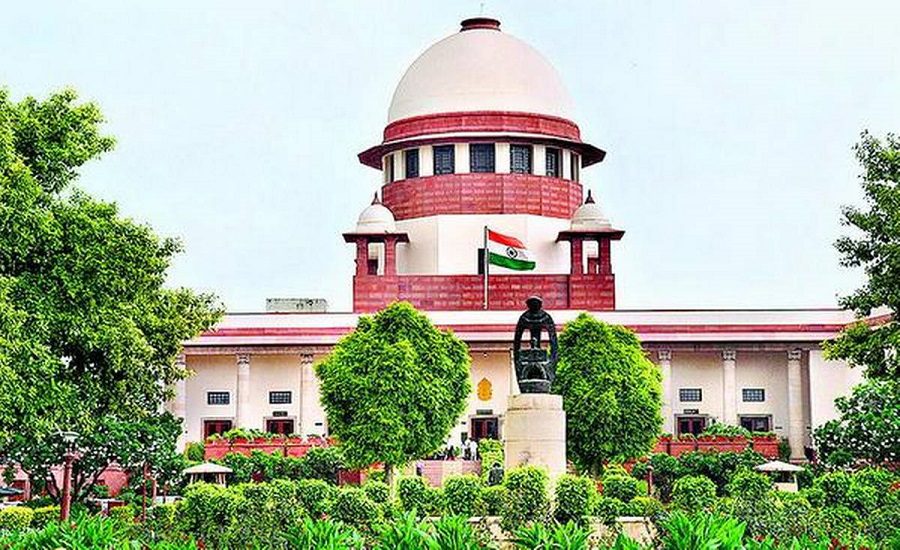
New Delhi: In a landmark judicial intervention on Thursday, the Supreme Court of India issued stringent nationwide directions mandating all higher education institutions (HEIs) — including colleges, universities, and professional institutions — to immediately report any student suicide or unnatural death to police authorities as soon as they become aware of the incident.
The bench, led by Justices J B Pardiwala and R Mahadevan, emphasised that reporting delays can cost precious time in investigations and that institutions cannot shirk their legal duty toward student safety and welfare.
Details of the Supreme Court Student Suicide Reporting Rule
Under the Supreme Court’s directions, every HEI must immediately report the suicide or unnatural death of a student — regardless of whether it occurs on campus, in hostels, in private accommodations, or even off-campus — to the police authorities the moment the institution learns of the incident. This applies to students enrolled in classroom, distance learning, or online programmes alike.
The ruling underscores that time is critical in such cases, not only for legal compliance but also to secure evidence and initiate swift assistance for affected families.
Annual Reporting to Regulatory Bodies
In addition to immediate reporting to police, the Supreme Court directed HEIs to submit annual reports on student suicides and unnatural deaths to the University Grants Commission (UGC) and other relevant regulatory bodies such as the All India Council for Technical Education (AICTE) and professional councils.
For central universities or institutions without specific regulators, reports must be furnished to the Department of Higher Education, Ministry of Education.
This systematic reporting aims to enhance transparency, enable better data tracking, and support policymaking to address student mental health crises at a national level.
24×7 Medical Support & Campus Readiness
Recognising that timely medical care can save lives, the court ruled that every residential HEI must have access to qualified medical professionals around the clock. If on-campus medical staff are unavailable, institutions must ensure such support exists within a one-kilometre radius of campus.
This move aims to provide immediate emergency care to students in crisis and reflects growing judicial concern over mental health infrastructure on campuses.
Addressing Institutional Deficiencies
The Supreme Court also addressed broader institutional shortcomings that can contribute to student distress:
Faculty Shortages: The court instructed HEIs to fill all vacant teaching and non-teaching positions within four months, giving priority to posts reserved for marginalised groups and persons with disabilities (PwDs).
Scholarship Delays: Pending scholarship disbursements must be cleared within four months and future timelines communicated clearly to students.
Grievance Compliance: HEIs must strictly comply with anti-ragging, anti-discrimination, and grievance redressal regulations already in force.
These measures are designed to strengthen students’ academic support systems, reduce administrative stress, and address systemic gaps in institutional culture and governance.
Background of the Supreme Court Student Suicide Reporting Rule
The Supreme Court’s directives come amid growing alarm over rising student suicides across India, particularly among those facing academic pressure, financial hardship, and social stressors.
Past data from government and judicial sources have underscored this phenomenon as a grave societal concern, prompting previous court interventions on mental health guidelines and anti-ragging mechanisms.
Legal experts see the court’s latest orders as a decisive step toward institutional accountability — urging educators, administrators, and policymakers to safeguard student well-being in tangible, enforceable ways.