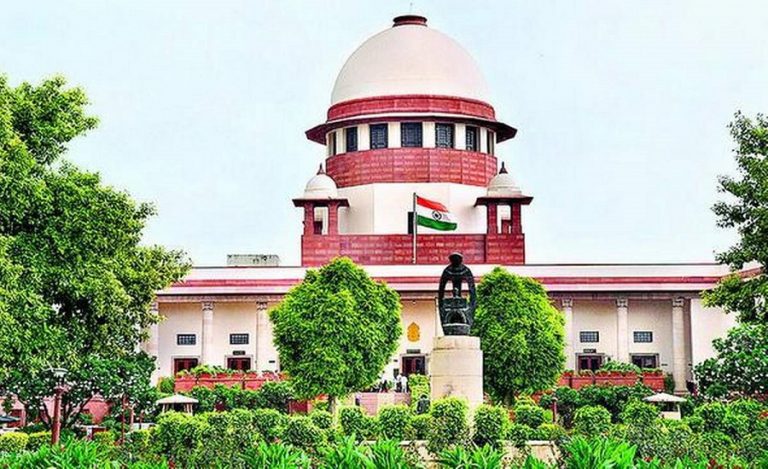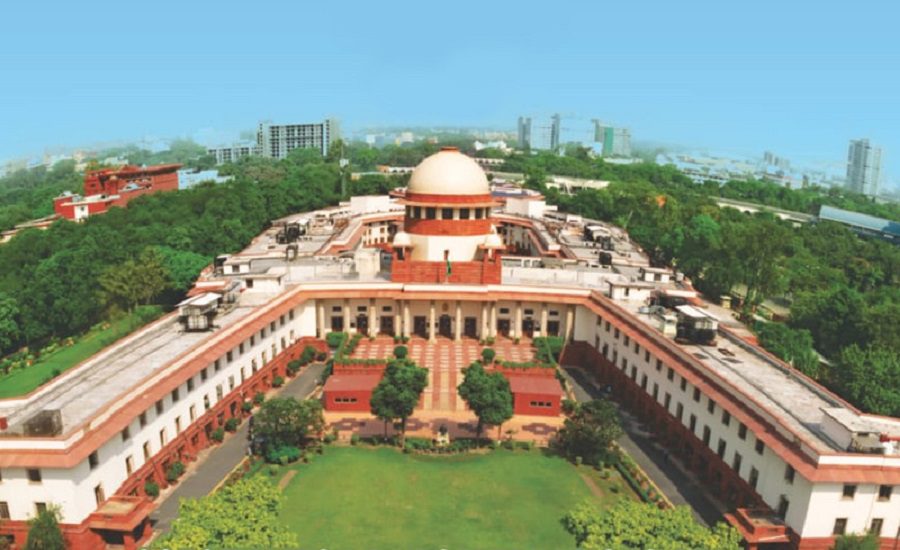
New Delhi: The Supreme Court of India has raised critical constitutional questions over Rajasthan’s newly enacted Prohibition of Unlawful Conversion of Religion Act, 2025, commonly referred to as the state’s anti-conversion law.
The apex court has asked the Rajasthan government to formally respond to a petition alleging that the law is “ultra vires and unconstitutional”.
The development marks a significant moment in the ongoing national debate over anti-conversion laws and their place within India’s constitutional framework of religious freedom.
Background: Anti-Conversion Laws and Rising Constitutional Concerns
Several Indian states, particularly in recent years, have enacted stringent laws aimed at preventing unlawful religious conversions, often citing concerns over coercion, inducement, or fraudulent practices. However, these laws have equally faced criticism from civil society, minority communities, constitutional experts, and rights groups who argue that such legislation can be misused to police religious expression and restrict individual liberty.
Rajasthan’s 2025 anti-conversion law is one of the newest entrants to this category. Soon after its passage, multiple petitions challenged the Act in the Supreme Court, claiming it violates Articles 14, 19, 21, and 25 of the Constitution, all of which safeguard equality, personal liberty, and freedom of religion.
Supreme Court Seeks State Response in Rajasthan Anti-Conversion Law 2025
A bench comprising Justices Dipankar Datta and Augustine George Masih issued notice to the Rajasthan government on Monday, asking it to reply to the petition challenging the constitutional validity of the 2025 Act.
The petition was filed by the Catholic Bishops Conference of India (CBCI), which argued that the law’s provisions criminalize legitimate expressions of faith and disproportionately affect minority communities. The Supreme Court has now tagged this petition with other similar pleas already pending before it.
Petitioner’s Stand: Law Is “Ultra Vires and Unconstitutional”
The petitioners have urged the Supreme Court to declare the Act unconstitutional on the grounds that:
- It violates the fundamental right to freely profess, practice, and propagate religion, guaranteed under Article 25.
- Key provisions are too broad, vague, and open to misuse, potentially criminalizing voluntary conversions.
- Mandatory reporting requirements for conversion create a chilling effect on individual religious choice and privacy.
- The Act oversteps state legislative competence because matters of religious conversion fall within the domain of individual liberty under the Constitution.
During the hearing, the bench noted the seriousness of the allegations and stressed the need for the Rajasthan government to clarify the rationale, scope, and safeguards embedded within the law.
Multiple Similar Petitions Already Pending
The Supreme Court also observed that various petitions challenging anti-conversion laws from different states—including Uttar Pradesh, Madhya Pradesh, Gujarat, Haryana, and Uttarakhand—are already before the apex court. The Rajasthan case is now expected to be heard in the larger context of these national-level challenges.
Solicitor General Tushar Mehta informed the court that several similar matters are awaiting adjudication, underscoring the widespread importance of the issue.
About the Rajasthan Prohibition of Unlawful Conversion of Religion Act, 2025
The law seeks to regulate religious conversions and criminalizes conversions achieved through:
- Force
- Undue influence
- Allurement
- Fraudulent means
- Misrepresentation
- Marriage used as a tool for conversion
It also mandates prior declaration of intent to convert, followed by a police inquiry—provisions that have sparked debate over privacy, autonomy, and potential harassment.
Critics argue that such mechanisms effectively place the burden of proof on individuals engaging in legitimate conversions, thereby infringing upon personal liberty.
Rajasthan Anti-Conversion Law 2025: Broader National Debate on Religious Freedom
The Supreme Court’s scrutiny of Rajasthan’s law underscores a larger question facing India:
How should the state balance protecting citizens from coercion while also upholding the constitutional right to religious freedom?
Legal experts believe that the eventual judgment—whether in this case or in the cluster of similar petitions—may redefine the boundaries of permissible state intervention in religious matters.
What Happens Next?
The Rajasthan government has been asked to file a detailed response. The case will be taken up along with other pending matters concerning anti-conversion legislation across India.
The Supreme Court’s final ruling could have far-reaching implications for:
- Religious freedom jurisprudence
- State legislative competence
- Privacy and individual rights
- Interfaith marriages
- Minority rights and protections
Until then, Rajasthan’s controversial 2025 Act will continue to face intense legal and public scrutiny.