New Delhi: The Supreme Court directive on illegal constructions along Ganga has brought renewed attention to the protection of India’s most important river.
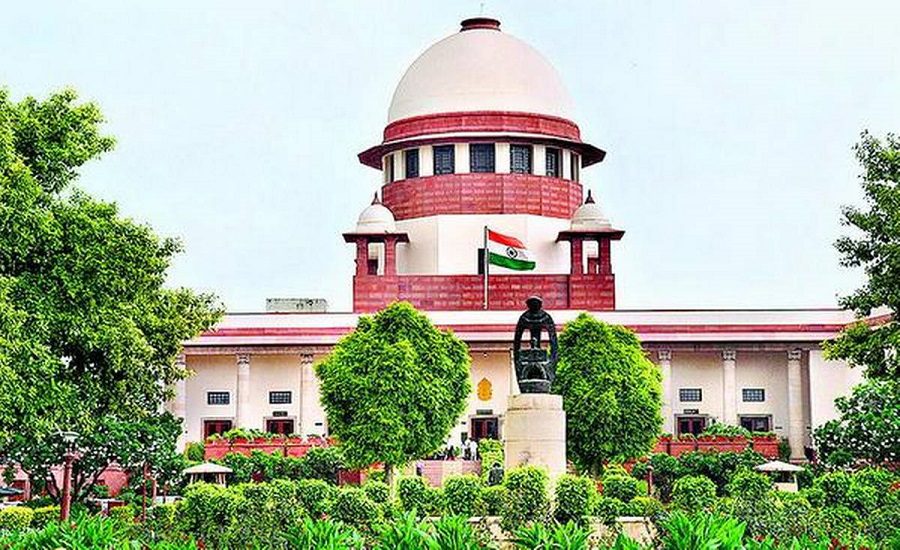
The Supreme Court of India has asked the central government to submit a detailed report on illegal constructions and encroachments along the banks and floodplains of the Ganga River.
The court also sought information about the steps taken so far to remove such encroachments and ensure effective protection of the river ecosystem.
Details of Ganga River Protection Case
The Supreme Court directed the Union Government to prepare and submit a comprehensive report on illegal constructions along the Ganga River banks and floodplains.
The order was issued by a bench of Justice J.B. Pardiwala and Justice K.V. Viswanathan while hearing a case related to encroachments along the river.
The court asked the Centre to explain:
- The current status of illegal constructions along the Ganga banks
- Steps taken by authorities to remove encroachments
- The progress made in implementing policies related to the protection and rejuvenation of the river
The government has been asked to place all details on record to help the court understand the situation across different states through which the river flows.
Ganga River Protection Case: Concern Over Encroachments on Riverbanks
Illegal constructions and permanent encroachments along riverbanks and floodplains have become a major environmental concern.
According to submissions during the hearing, large-scale encroachments exist in many stretches of the Ganga, which may threaten the river’s ecological balance.
Floodplains play an important role in maintaining the natural flow of rivers and preventing floods. Construction activities in these areas can:
- Disturb natural water flow
- Increase flood risk
- Damage fragile ecosystems
- Affect aquatic species such as freshwater dolphins
Environmental experts and activists have long raised concerns that unchecked construction along the river could undermine efforts to clean and revive the Ganga.
Key Direction of the Supreme Court
The Supreme Court also issued notices to several Ganga basin states, asking them to provide details related to encroachments and riverbank protection measures.
The court noted that the problem of illegal constructions is not limited to a single location and therefore requires a broader and comprehensive examination at the national level.
Authorities from states where the Ganga flows have been asked to cooperate with the government of India in preparing the report.
Background of the Ganga River Protection Case
The matter came before the Supreme Court through a petition filed by a Patna resident, who challenged a 2020 order of the National Green Tribunal (NGT).
The NGT had earlier dismissed the plea that raised concerns about illegal constructions and permanent encroachments on the eco-sensitive floodplains of the Ganga.
The petitioner argued that the issue requires urgent attention because encroachments along the riverbanks are widespread and could harm the river’s fragile ecosystem.
Focus on Implementation of Ganga Protection Policies
The court also asked the Centre to explain how it is implementing government notifications related to the rejuvenation, protection and management of the Ganga River.
In particular, the judges wanted clarity on:
- Challenges faced by authorities in enforcing the rules
- Future steps to ensure riverbanks remain free of encroachments
- What additional directions from the court may help improve implementation
The aim is to ensure stronger enforcement of environmental regulations designed to protect the river system.
Next Hearing Date
The Supreme Court has scheduled the next hearing of the case on 23 April 2026.
By that time, the central government and concerned authorities are expected to submit a comprehensive status report on illegal constructions along the Ganga and outline steps taken to address the issue.
The outcome of this report may influence future policy actions and enforcement measures aimed at protecting the Ganga and its surrounding ecosystems.