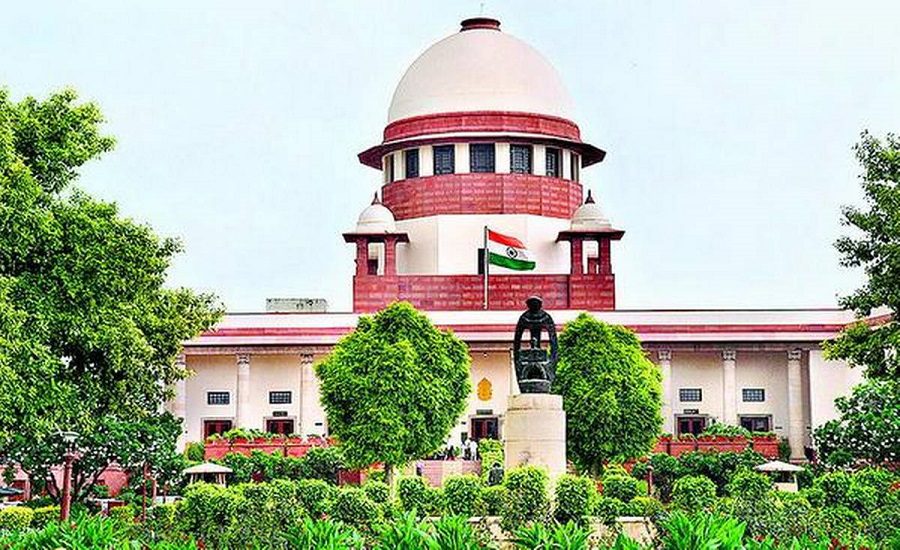
New Delhi: On December 17, 2025, the Supreme Court of India reinstated a crucial component of vehicle restrictions in the National Capital Region (NCR)—targeting older and highly polluting vehicles that fail to meet modern emission norms.
The apex court clarified its earlier ruling to allow authorities to take enforcement actions, including impounding vehicles, against diesel vehicles over 10 years old and petrol vehicles over 15 years old if they do not comply with Bharat Stage-IV (BS-IV) or higher emission standards.
This decision reflects heightened judicial urgency to tackle persistent air pollution in Delhi-NCR, particularly during the winter months when smog worsens due to climatic conditions and emissions from various sources.
Background of Delhi-NCR BS-IV Vehicle Ban
India’s environmental framework has long recognized that older vehicles contribute disproportionately to air pollution. Since 2015, directives from the National Green Tribunal (NGT) have recommended that diesel vehicles older than 10 years and petrol vehicles older than 15 years should be restricted from plying in Delhi-NCR—a region consistently grappling with hazardous air quality, especially in winter.
These age limits are tied to the era when older emission standards like Bharat Stage-III (BS-III) were in force. Since then, Bharat Emission Standards have progressively tightened, with BS-IV introduced widely in 2017 and BS-VI skip-stepping BS-V to further reduce vehicular emissions nationwide.
Earlier Supreme Court Order and Temporary Protection on Delhi-NCR BS-IV Vehicle Ban
In August 2025, the Supreme Court had issued an order barring authorities from taking coercive actions solely on the basis of a vehicle’s age. In practical terms, this had offered temporary protection to older diesel and petrol vehicles—even if they were highly polluting—by preventing impounding or legal action merely because they had crossed the age threshold of 10 and 15 years, respectively.
However, this broad safeguard was criticized by environmental authorities and government agencies, including the Commission for Air Quality Management (CAQM), for enabling more polluting vehicles to remain on the road. According to authorities, a significant share of vehicles on NCR roads still ran on BS-III or older standards, emitting several times more pollutants than newer BS-IV or BS-VI vehicles.
Supreme Court’s Clarification and New Direction on Delhi-NCR BS-IV Vehicle Ban
In the December 17 ruling, a bench led by Chief Justice of India Surya Kant and Justices Joymalya Bagchi and Vipul M. Pancholi clarified that:
The August 12 order is now modified.
- Only vehicles that meet BS-IV or higher emission standards are protected from coercive actions—even if their age exceeds the prescribed limits.
- All vehicles below BS-IV standards, including BS-III and older models, are once again subject to enforcement action including fine, seizure, or impounding by authorities in Delhi-NCR.
This means that a diesel vehicle older than 10 years or a petrol vehicle older than 15 years could now face regulatory penalties if it does not meet BS-IV emissions criteria—regardless of whether its age exceeds the limit.
The court’s decision directly addressed concerns raised by the Delhi government and CAQM, which argued that the earlier protective order hindered efforts to curb pollution effectively.