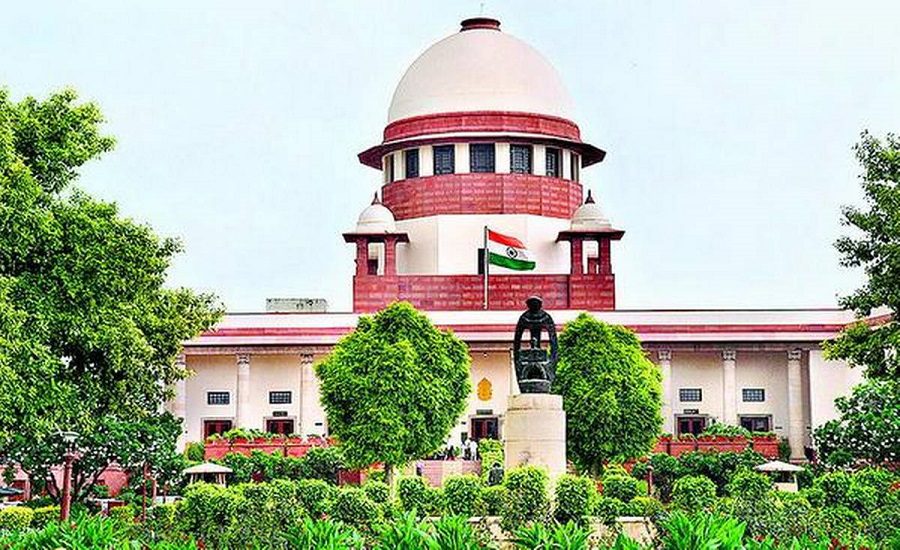
New Delhi: The Supreme Court of India has expressed extreme disappointment and issued a stern warning to various High Courts over persistent delays in deciding bail and anticipatory bail pleas, stressing that such delays violate citizens’ constitutional rights and the principle of personal liberty. The court reiterated that justice delayed is justice denied, especially in matters involving personal freedom.
Supreme Court Voices Strong Displeasure Over High Courts Bail Delays
In a recent hearing, the Supreme Court expressed strong displeasure after learning that a High Court had repeatedly adjourned bail pleas, leaving applicants in prolonged legal uncertainty. Reports indicate that bail matters were postponed over multiple hearings without substantive judicial orders.
The bench emphasized that courts must not treat bail petitions as low-priority procedural items, noting that every day of delay affects the fundamental right to personal liberty guaranteed under Article 21 of the Constitution.
Supreme Court Directions to High Courts
The Supreme Court has directed all High Courts and trial courts across India to dispose of bail and anticipatory bail applications within two months of filing, except where delay is caused by the parties themselves. This order is designed to prevent indefinite pendency of pleas and to protect constitutional liberty rights.
The bench stressed that extended pendency undermines the purpose of the Criminal Procedure Code and directly impacts citizens’ liberty. By setting a clear timeline, the court aims to ensure that such applications are heard and decided promptly on merits, not repeatedly adjourned.
Personal Liberty: Core Constitutional Principle
The Supreme Court underlined that freedom from unnecessary detention is fundamental. Even a single day’s delay in deciding a bail application can adversely affect an accused person’s rights, especially when prolonged incarceration occurs before trial. Bench observations in previous cases revealed that long delays in bail hearings create a state of uncertainty tantamount to pre-trial punishment.
High Courts were reminded that matters involving personal liberty must be prioritized over routine procedural listings, and unnecessary adjournments should be discouraged.
Anticipatory Bail Pleas: Proper Procedure and Jurisdiction
In addition to delay concerns, the Supreme Court has cautioned High Courts against entertaining anticipatory bail pleas directly without litigants first approaching the trial court, such as a Sessions Court. The court emphasized that anticipatory bail, which protects against future arrest, should typically be filed in the appropriate lower forum before invoking a High Court’s jurisdiction.
This clarification aims to reduce unnecessary high-court backlog and streamline judicial processes in criminal justice matters.
High Courts Bail Delays: Need for Administrative Directions
The apex court also urged High Courts to issue administrative directions to subordinate courts to ensure that bail and anticipatory bail matters are given priority and are not repeatedly adjourned. Such measures would reduce judicial backlog and uphold citizens’ right to timely justice.
Transparency on case pendency, timely hearings, and accountability in delivering orders were suggested as ways to restore public confidence in the justice delivery system.
Read also: NEET-PG 2025-26 Cut-Off Cut Under Scanner: Supreme Court Issues Notice to Centre, NBEMS and NMC