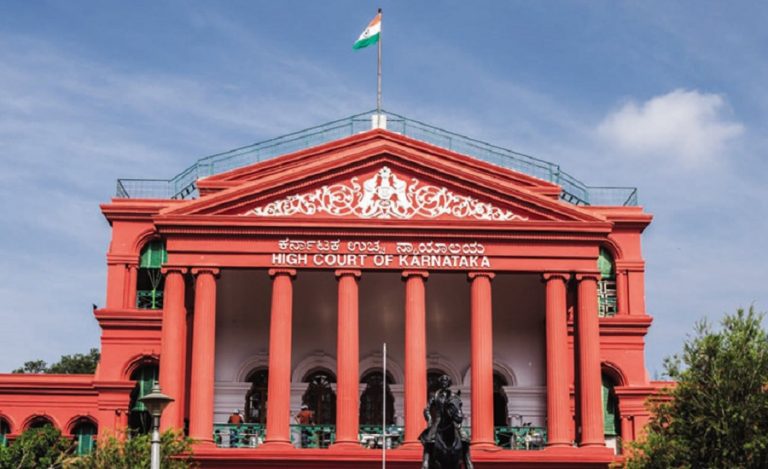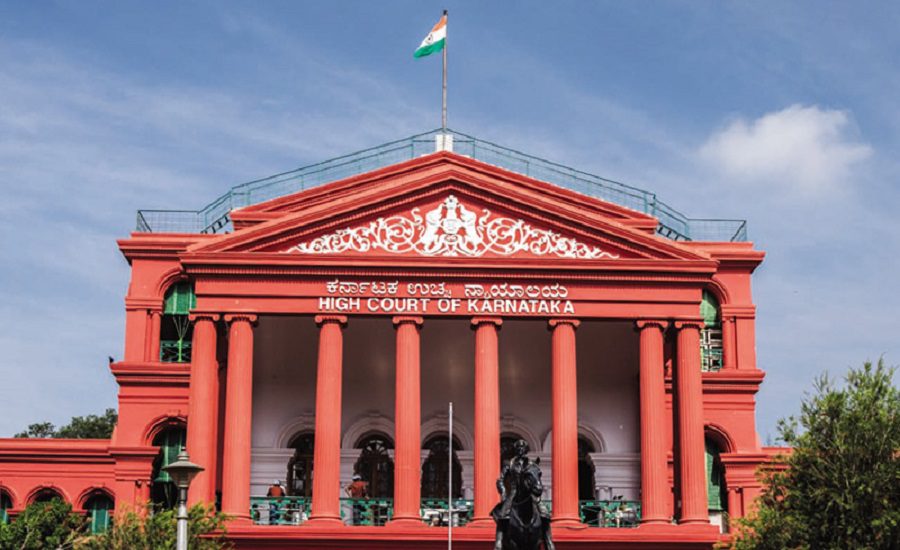
Bangalore: The Vande Mataram schools ruling by the Karnataka High Court has clarified that singing all stanzas of the national song in schools is not mandatory. The court dismissed a Public Interest Litigation (PIL) challenging a circular issued by the Ministry of Home Affairs (MHA).
The advisory had encouraged students to sing ‘Vande Mataram’, including all its stanzas, but the court confirmed that it is only advisory in nature, not compulsory. This decision brings clarity on the balance between national sentiment and individual freedom in educational institutions.
Background of the Vande Mataram Schools Ruling
The case revolved around an advisory issued by the Ministry of Home Affairs.
- The MHA circular encouraged schools to organize activities where students could sing ‘Vande Mataram’.
- It included all stanzas of the song, some of which refer to Hindu deities.
- A PIL was filed claiming that this could hurt religious sentiments and should not be enforced.
The petitioner argued that making students sing all stanzas could violate constitutional rights, especially in a diverse and secular country like India.
Vande Mataram Schools Ruling: Karnataka High Court’s Key Observations
The Karnataka High Court made several important points while dismissing the PIL:
1. Advisory Is Not Compulsory
The court clearly stated that the MHA circular is not binding.
- It is only a guideline or suggestion.
- Schools are not forced to implement it.
2. No Violation of Fundamental Rights
The court found no evidence that the advisory violates constitutional rights.
- There is no coercion involved.
- Participation remains voluntary.
3. Respect for Diversity
The court indirectly emphasized India’s diversity.
- Schools can make decisions based on their environment.
- Students cannot be forced into religious or cultural practices.
What Is ‘Vande Mataram’?
- ‘Vande Mataram’ is a national song written by Bankim Chandra Chattopadhyay.
- It played a key role in India’s freedom movement.
- Only the first two stanzas are officially adopted as the national song.
- Some later stanzas include references to Hindu deities, which has led to debates in the past.
Vande Mataram Schools Ruling: Why the PIL Was Filed
The petitioner raised concerns mainly about:
- Religious neutrality in schools.
- The inclusion of deity-related stanzas.
- Possible pressure on students from minority communities.
However, the court did not find these concerns strong enough to interfere with the advisory.
Government’s Stand
The Ministry of Home Affairs clarified that:
- The circular was issued to promote patriotism.
- It was never meant to be enforced strictly.
- Schools have the freedom to decide how to observe such activities.
Legal and Constitutional Perspective
This ruling aligns with key constitutional principles:
- Article 19 (Freedom of Expression): Students cannot be forced to sing.
- Article 25 (Freedom of Religion): Protects individuals from imposed religious practices.
- Secularism: India respects all religions equally.
The court ensured that patriotism does not override personal freedom.
Impact on Schools and Students
What Changes?
- Schools can choose whether to follow the advisory.
- No student can be forced to sing all stanzas.
What Remains the Same?
- Singing ‘Vande Mataram’ remains encouraged.
- Patriotic activities in schools continue as before.
Wider Implications
This ruling sets an important precedent:
- Reinforces the idea that government advisories are not laws.
- Protects student rights in educational spaces.
- Maintains a balance between national pride and individual liberty.