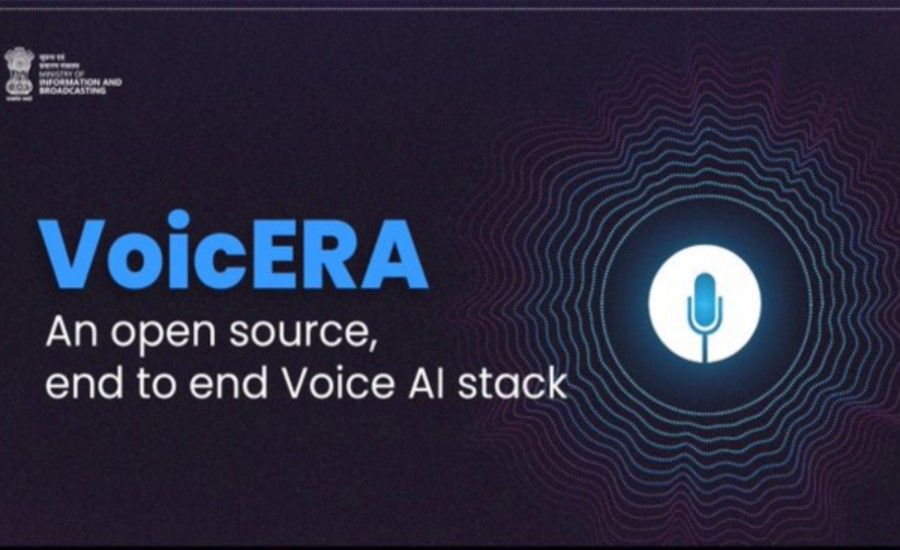
New Delhi: VoicERA, an open-source, end-to-end Voice AI stack launched by India’s Ministry of Electronics and Information Technology (MeitY), promises to transform how voice-based technologies are built, deployed, and used across the country.
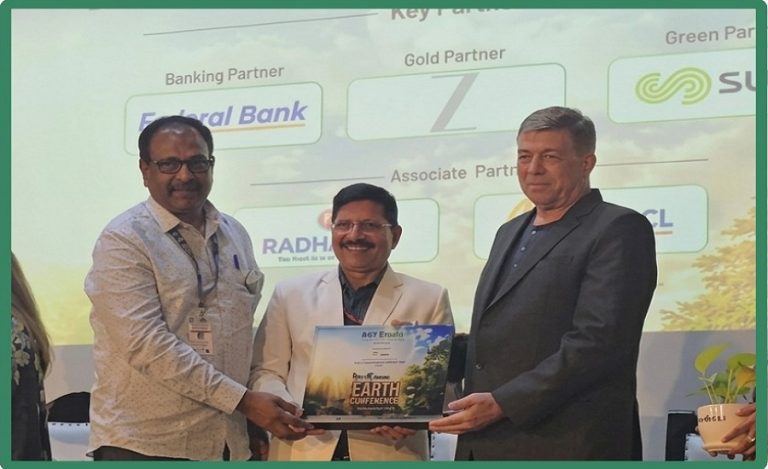
The launch took place at the prestigious India AI Impact Summit 2026 held in New Delhi, showcasing a new chapter in India’s efforts to democratize AI and expand digital access through multilingual voice systems.
At its core, VoicERA enables developers, government agencies, researchers, and innovators to create voice-enabled solutions — from real-time speech systems to conversational AI — in multiple Indian languages, expanding the reach of technology beyond text and into speech.
What is VoicERA AI
VoicERA is designed as a fully open-source voice artificial intelligence stack.
This means that its software components, tools, and building blocks are freely accessible for public use and adaptation — enabling anyone to build voice-powered technologies without licensing barriers.
What are the Key features of VoicERA AI
- Open and Modular Design: Easy to customize and scale for diverse use cases.
- Pluggable & Interoperable: Works across platforms and systems, ensuring seamless voice integration.
- Cloud-Deployable & On-Premise Ready: Can be hosted on cloud servers or local machines.
- Secure and Scalable: Built for heavy use and strong security, making it suitable for government and enterprise environments.
This flexibility means that innovators can create everything from smart voice assistants and language translation tools to multilingual telephony systems that serve citizens across India’s diverse linguistic landscape.
How VoicERA AI Strengthens India’s BHASHINI Infrastructure
VoicERA is deployed on BHASHINI, India’s National Language Infrastructure, a flagship initiative by MeitY that provides AI-based language tools to reduce language barriers and promote digital inclusion.
While BHASHINI originally focused on text translation and language processing, the integration of VoicERA expands its capabilities to:
- Voice recognition and speech-to-text
- Conversational AI systems
- Real-time voice services
- Population-scale multilingual telephony
This means millions of users — even in rural and under-represented regions — will be able to interact with digital services using natural speech in their native languages.
VoicERA: A Digital Public Good for Inclusive AI
Officials leading the initiative — including Shri Amitabh Nag, CEO of the Digital India BHASHINI Division — highlighted VoicERA as a strategic step toward inclusive and sovereign AI infrastructure.
Speaking about the launch, they emphasized:
- The platform reduces duplication and avoids dependence on proprietary vendors.
- It empowers developers with free, shared building blocks for voice technology.
- It positions voice as a natural digital interface for citizens across India.
Experts also noted that VoicERA can accelerate AI innovation both nationally and internationally — from government e-services to education, agriculture, public feedback systems, and more.
Importance of VoicERA AI
The launch of VoicERA aligns with India’s broader vision of:
- Democratizing AI access
- Strengthening sovereign technology infrastructure
- Promoting innovation in local languages
- Bridging digital divides
At the India AI Impact Summit 2026, where global tech leaders, policy makers, and AI experts gathered, VoicERA stood out as a concrete example of how AI can be harnessed for equitable and inclusive progress.
As voice becomes the primary interface in future digital ecosystems — especially in diverse multilingual nations like India — platforms like VoicERA will play a pivotal role in shaping how people interact with government services, businesses, and technology every day.
Read also: India Sets Guinness World Record with 2.5 Lakh AI Responsibility Pledges in 24 Hours