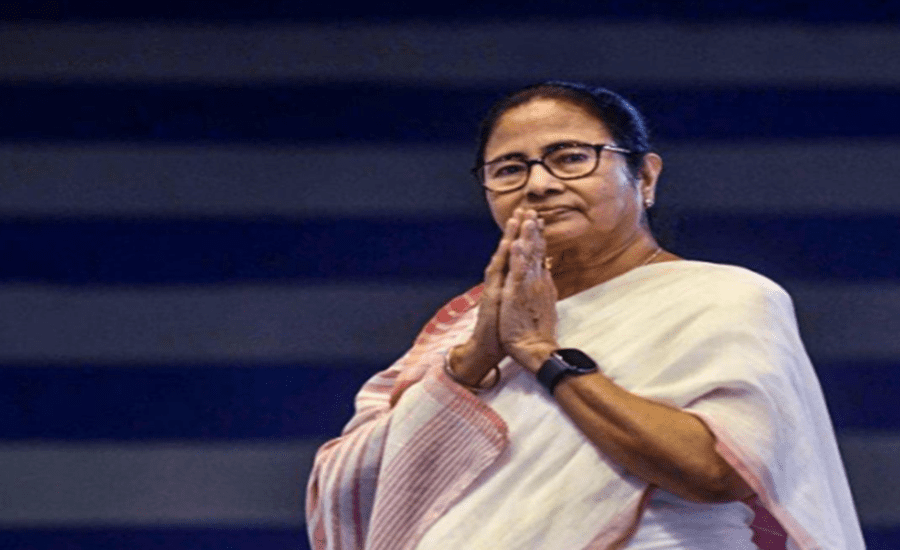
Kolkata: Chief Minister Mamata Banerjee announced that the West Bengal government will begin clearing Dearness Allowance (DA) arrears for state employees and pensioners, including teachers, non-teaching staff, and workers in grant-in-aid institutions, starting March 2026. The announcement came just an hour before the declaration of the 2026 Assembly election dates, highlighting the government’s commitment to fulfilling promises to its workforce.
DA Arrears for Employees and Pensioners
In a post on X (formerly Twitter), CM Mamata Banerjee said, “I am happy to announce that our Ma-Mati-Manush government has delivered on its promise to all its employees and pensioners, and to lakhs of teachers and non-teaching staff of our educational institutions, as well as employees/pensioners of our other grant-in-aid institutions like panchayats, municipal bodies, and other local bodies. They will start receiving their ROPA 2009 DA arrears from March 2026 onwards as per the modalities detailed in notifications issued by the Finance Department.”
This step aims to benefit thousands of state employees and pensioners, ensuring timely financial support and recognition of their service.
Increased Honorariums for Purohits and Muezzins
The Chief Minister also announced a monthly increase of ₹500 for purohits and muezzins, bringing their total honorarium to ₹2,000 per month. All fresh applications submitted by these groups have also been approved by the state government.
She highlighted the importance of these measures in preserving the spiritual and social fabric of communities, stating, “We take pride in nurturing an environment where every community and every tradition is valued and strengthened. Our endeavour remains to ensure that the custodians of our rich spiritual heritage receive the recognition and support they deserve.”
Formation of Cultural and Development Boards for Marginalised Communities
Earlier on the same day, CM Mamata Banerjee announced the formation of five new Cultural and Development Boards in West Bengal. These boards will serve the following communities:
- Munda (Scheduled Tribe)
- Kora (Scheduled Tribe)
- Dom (Scheduled Caste)
- Kumbhakar (Other Backward Class)
- Sadgope (Other Backward Class)
The boards aim to protect unique languages and traditions while promoting better education, healthcare, and employment opportunities. “These boards will safeguard customary rights and bring further socio-economic growth,” the CM said, highlighting her government’s ongoing commitment to inclusive development since 2013.
Government’s Commitment to Inclusive Progress
Reflecting on the initiatives, CM Mamata Banerjee reiterated her government’s dedication to inclusive development under the “Ma, Mati, Manush” philosophy. She stated, “Our commitment means we remain dedicated to ensuring no community is left behind. Our goal is simple: to bring a smile to every face through inclusive progress and unwavering support. Jai Bangla.”
These steps demonstrate the West Bengal government’s focus on financial support for employees, recognition of spiritual custodians, and empowerment of marginalized communities, reinforcing its commitment to social equity and development.