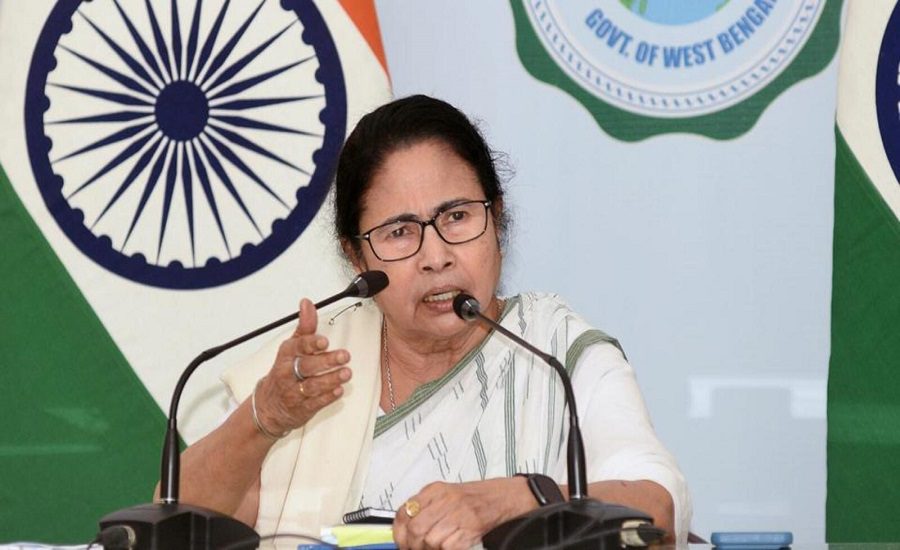
Kolkata: West Bengal Chief Minister Mamata Banerjee on Thursday highlighted the state’s pioneering role in minority welfare programs on the occasion of Minority Rights Day, emphasizing the significant increase in the Minority Affairs department’s plan budget and the widespread benefits of state-funded schemes.
Plan Budget Sees Tenfold Increase
In a post on X, Banerjee announced that the Minority Affairs department’s plan budget has grown from ₹472 crore in 2010–11 to over ₹5,602 crore in 2025–26, marking a tenfold increase since the Trinamool Congress (TMC) came to power. She described this as “unprecedented work” for minority development, reaffirming her government’s commitment to equitable growth and the protection of minority rights.
Read also: West Bengal Clears ₹8,487-Crore Road Development Plan to Build Over 20,000 km of New Roads
Aikyashree Scholarships Benefit Millions
The Chief Minister claimed that West Bengal ranks first in the country in distributing minority scholarships. Under the state-funded Aikyashree scheme, 4.85 crore students have benefited, with expenditure exceeding ₹10,200 crore since 2011. Additionally, minority students are being offered education loans of up to ₹30 lakh for higher studies in India and abroad.
Minority and OBC students are also covered under the Medhashree scheme, while self-employment loans have reached approximately 16.31 lakh beneficiaries, totaling around ₹3,926 crore over the past 15 years.
Infrastructure Development in Minority Areas
Banerjee highlighted the state’s top ranking in the Multi-Sectoral Development Programme (MSDP), under which over ₹4,500 crore has been invested in infrastructure development in minority-dominated areas. Additional investments have been made through the IMDP scheme and other state-funded projects.
Educational infrastructure is also being strengthened with the establishment of English-medium model madrasas, integrated schools, and Aliah University campuses in New Town and Park Circus. Maintenance allowances for students in minority hostels have also been enhanced.
Language and Cultural Initiatives
Recognizing linguistic diversity, Banerjee stated that Urdu has been granted official language status in areas where the Urdu-speaking population exceeds 10%. Regional centres of the Urdu Academy have been opened in Islampur and Asansol.
Other initiatives include the construction of a new Haj House at Rajarhat New Town and outreach on welfare schemes through imams, muezzins, and dedicated minority development bodies.
Commitment to Inclusive Growth
CM Banerjee reiterated that the TMC government is committed to ensuring social, educational, and economic empowerment of minority communities, combining financial assistance, infrastructure development, and cultural recognition to promote holistic growth across the state.
Read also: Trinamool MPs Stage Protest in Parliament, Demand White Paper on Central Funds to West Bengal