New Delhi: In a sharp and rare courtroom rebuke, the Supreme Court of India on Monday strongly criticised Dushyant Nariala, an IAS officer of 1993 batch and the Chief Secretary of West Bengal, over the administration’s handling of the recent violence in Malda, where seven judicial officers were allegedly held hostage for several hours during SIR-related duties.
During the hearing, the Bench questioned why repeated attempts by judicial authorities to contact the state’s top bureaucrats had failed, with the Chief Justice delivering an unusually stern observation: “Do not elevate yourself to such a height that even the Chief Justice cannot reach you.”
Supreme Court Questions Administrative Failure During Malda Violence
The matter came up before a Bench comprising Surya Kant, Joymalya Bagchi, and Vipul Pancholi, which had earlier taken suo motu cognisance of the incident.
The court had directed the personal appearance of:
- Chief Secretary
- Director General of Police
- Home Secretary
- Malda District Magistrate
- Senior Superintendent of Police
to explain the response failure.
The Bench noted that despite repeated calls for hours, no effective response came while seven judicial officers remained trapped amid a mob situation.
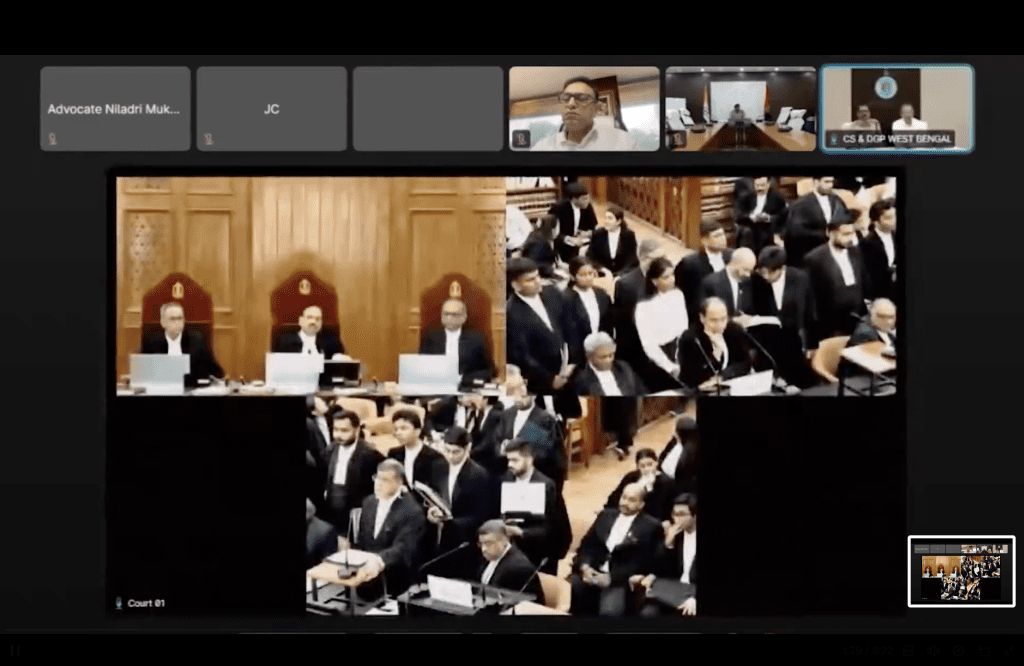
Chief Justice’s Sharp Remarks to Dushyant Nariala
During the hearing, the Chief Justice directly asked:
“What is the problem? You don’t even entertain the call of the Chief Justice?”
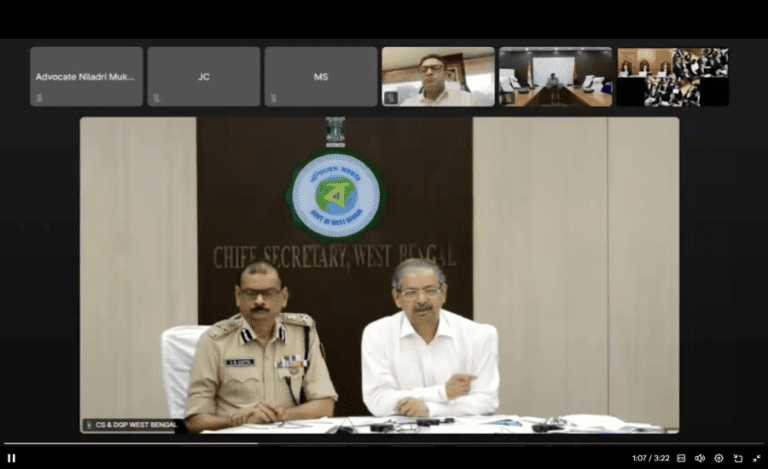
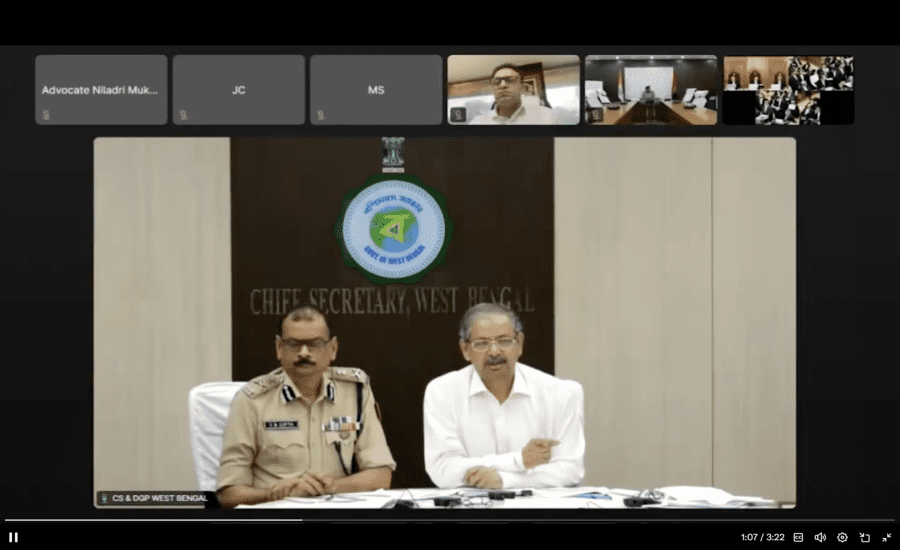
Appearing through video conference, Dushyant Nariala said he had travelled to New Delhi for an official meeting and was on a flight between 2 PM and 4 PM when calls were allegedly made.
He also claimed no calls from judicial officers in Kolkata had reached him.
The explanation, however, did not satisfy the Bench.
Justice Joymalya Bagchi responded sharply – “You cannot be so high and mighty that the Chief Justice is unable to reach you. Please come down a little so that the Chief Justice too can establish contact with you.”
Written Apology Ordered to High Court Chief Justice
The Supreme Court directed both the Chief Secretary and the DGP to submit a written apology to the Chief Justice of the High Court.
The Bench observed – “You must apologise. It is a gross failure of civil administration and police officials.”
The court said judicial officers had effectively been forced into exercising powers that should have been handled by executive authorities.
CJI Says Situation Could Have Turned Dangerous
The Bench noted that the incident began around 3:30 PM, but the Chief Justice of India came to know of it only around 11:30 PM.
The Chief Justice remarked:
“By that time, who knows what all could have transpired?”
The court also criticised the state administration for allowing thousands of people to gather unchecked.
Justice Bagchi observed that intervention from the Supreme Court became necessary to prevent escalation.
Police Also Criticised for Inaction
The court was equally critical of local police conduct.
It noted that the District Magistrate and Superintendent of Police were present at the site but did not take decisive action.
When contacted, the Superintendent of Police reportedly said: “What can I do? Women are also present there; if action is taken, their lives may be endangered.”
The Bench described the officials as passive spectators during a highly sensitive crisis.
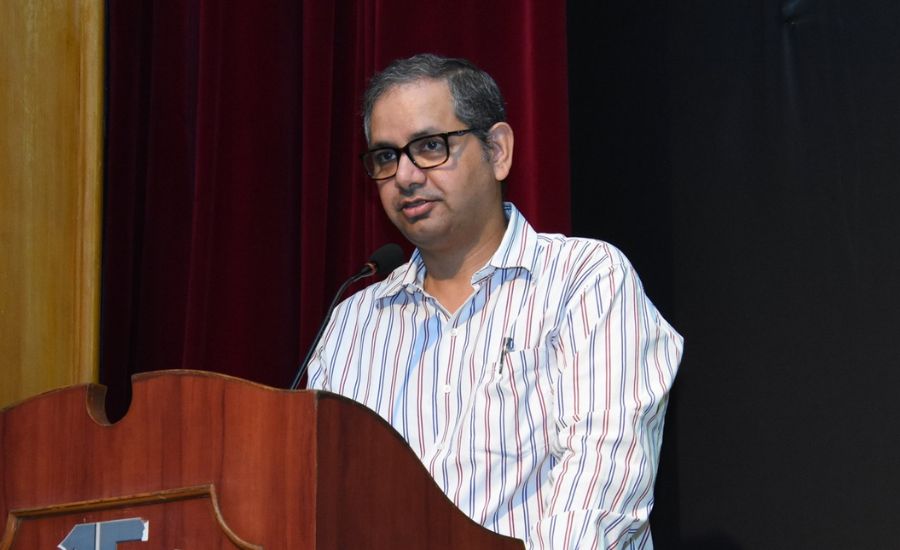
Who Is Dushyant Nariala?
Mr Nariala is a 1993-batch IAS officer of the West Bengal cadre and currently serves as Chief Secretary of West Bengal.
Personal Background
- Born: June 2, 1967
- Hometown: Haryana
- Education: B.Sc., LL.B.
Current Role
He was appointed Chief Secretary on March 16, 2026 by the Election Commission of India following the announcement of state assembly elections.
Major Positions Held Earlier
- Additional Chief Secretary, North Bengal Development Department
- Additional Chief Secretary, Disaster Management & Civil Defence
- Secretary, Self Help Groups & Self Employment Department
- District Magistrate in multiple districts
- Empanelled for Additional Secretary rank in Government of India in 2022
Officials describe him as a low-profile but experienced administrator, especially in northern Bengal governance.
Why This Hearing Matters
The Supreme Court’s intervention is being seen as a strong message to state administrations regarding:
- Accountability during judicial emergencies
- Administrative accessibility
- Police responsiveness during sensitive law-and-order situations
The court has for now dropped further coercive action but made clear that such lapses cannot recur.