17 November 2026
ADVERTISEMENT
ADVERTISEMENT

Why Russia Wants to Build Product 177S Engines and Su-57E Fighters for India’s AMCA Mk2 Programme

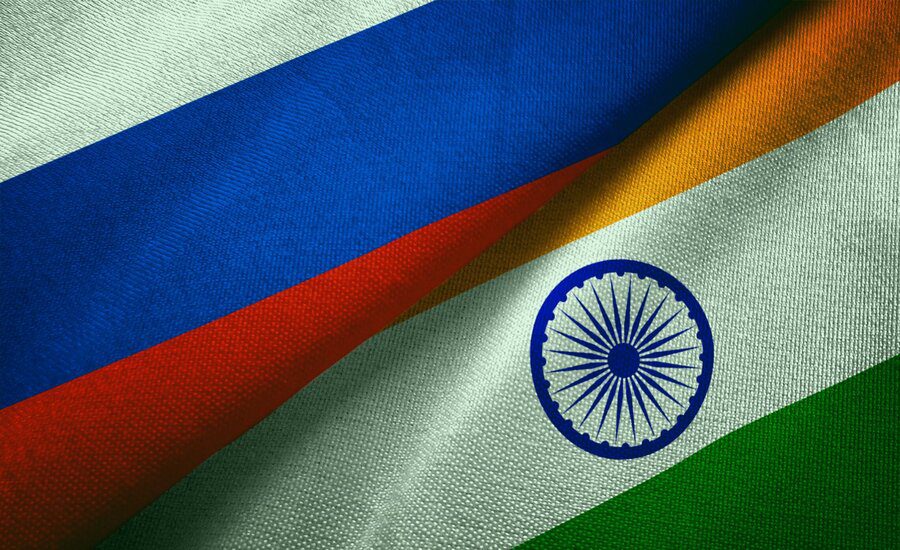
Russia has proposed joint production of the Product 177S engine and local manufacturing of the Su-57E stealth fighter for India's AMCA Mk2 programme.
India Russia S500 Deal
Indian Masterminds Stories

New Delhi: Product 177S engine for AMCA Mk2 has emerged as the latest defence proposal from Russia as India continues developing its indigenous Advanced Medium Combat Aircraft (AMCA). Moscow has offered joint production of the new high-thrust engine, technology transfer, and local manufacturing of the Su-57E stealth fighter as an interim solution. However, India’s official focus remains on building the AMCA as a homegrown fifth-generation fighter.

Details of India Russia 177S Engine Joint Production Deal 

Russia has proposed a broad defence package instead of simply selling military equipment.

Read also: India May Get Custom-Built Su-57E Jets as Russia Makes Major Stealth Fighter Offer

The offer includes joint production of the Product 177S (Izdeliye 177S) engine, local manufacturing of the Su-57E stealth fighter in India, and transfer of advanced aerospace technologies under the “Make in India” initiative.

Russian Ambassador Denis Alipov has repeatedly expressed support for India’s fifth-generation fighter ambitions, saying Moscow is ready to cooperate on advanced defence technologies.

What is the Importance of India Russia 177S Engine Joint Production Deal 

The biggest challenge for the AMCA Mk2 programme is developing or acquiring a powerful engine in the 110–130 kN thrust class. Russia’s United Engine Corporation (UEC) is promoting the Product 177S as a solution.

According to UEC, the engine is based on the AL-41F1 while incorporating technologies from the next-generation AL-51 engine. It is designed to produce around 142 kN of maximum thrust, making it suitable for fifth-generation fighter aircraft.

What are the Features of 177S Engine 

  • Around 142 kN maximum thrust
  • Fifth-generation engine technology
  • FADEC (Full Authority Digital Engine Control)
  • Serrated thrust-vectoring nozzle for lower radar and infrared signature
  • Around 6,000-hour service life
  • Improved fuel efficiency compared with previous Russian engines

Russia Also Offers Local Su-57E Production

Russia is also offering the Su-57E, the export version of its fifth-generation stealth fighter. The proposal includes manufacturing the aircraft in India with technology transfer and licensed production.

Russian officials say local production could help Indian industry gain experience in stealth aircraft manufacturing while AMCA continues its development.

However, there has been no official announcement from the Indian government or the Indian Air Force that the Su-57E will replace or delay the AMCA programme. HAL has also stated that any such decision rests with the Government of India.

Why Switching Engines Is Not Easy

Although Russia’s proposal is technically attractive, integrating a completely different engine into AMCA would be a major engineering task. Aircraft engines affect:

  • Airframe design
  • Air intake geometry
  • Cooling systems
  • Weight balance
  • Flight performance

Changing from the GE F414 family to another engine could require major redesign work, increasing costs, development time, and programme risks.

Russia Highlights Technology Transfer

One of Russia’s strongest selling points is its willingness to discuss broader technology transfer. According to Russian statements, the proposal includes cooperation in:

  • Advanced fighter engines
  • AESA radar technology
  • Radar-absorbing materials
  • Artificial intelligence for pilot assistance
  • Electronic warfare systems
  • Local manufacturing in India

India’s Position Remains Clear

India continues to prioritise the Advanced Medium Combat Aircraft (AMCA) as a fully indigenous fifth-generation fighter programme. The project is being led by the Aeronautical Development Agency (ADA) with Hindustan Aeronautics Limited (HAL) as the production partner.

While India remains open to foreign collaboration for selected technologies, official policy continues to emphasise self-reliance, domestic manufacturing, and long-term aerospace capability.

Read also: What Is the Su-57E and Why Is India in Talks With Russia for Joint Production?


Indian Masterminds Stories
Join our WhatsApp Channel
ADVERTISEMENT
ADVERTISEMENT
Related Stories
ADVERTISEMENT
ADVERTISEMENT
NEWS
SECI New Logo
SECI Unveils New Logo and Tagline ‘Energy Forever, For All’ to Reflect Its Expanding Renewable Energy Role
IAS officer Jagrati Awasthi
Who Is IAS Jagrati Awasthi? UPSC AIR 2 Officer Welcomes Baby Boy at Sonbhadra Government Hospital
MGL GAIL PNG Drive 3
MGL and GAIL Strengthen Strategic Coordination to Accelerate PNG Drive 3.0 and Expand Gas Connections 
India Malacca Strait Patrol
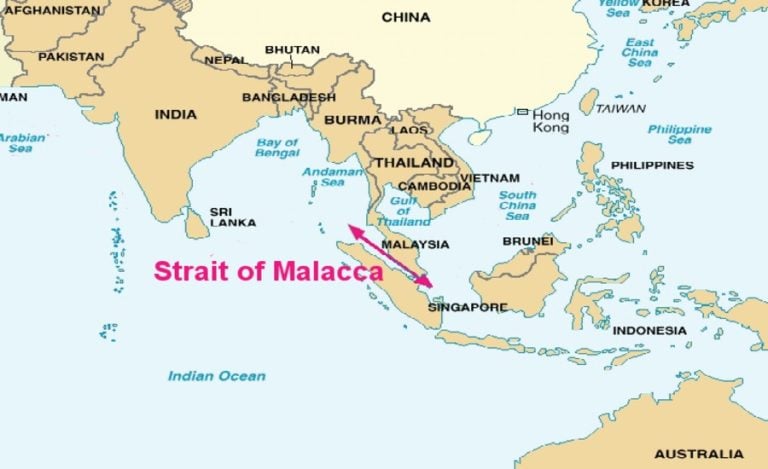
What is India Malacca Strait Patrol Plan and How Will It Strengthen Indo-Pacific Security Amid Global Turbulence 
mecl
MECL and WAPCOS Sign MoU to Boost Strategic Collaboration in Consultancy and Infrastructure Projects
Juvenile age
Should Juvenile Age Be Reduced To 16? Kerala High Court's Observation
Integrated Theatre Commands
Why This Military Veteran Wants India To Replace 17 Separate Military Commands With Theatre Commands
UPSIDA CEO Balkar Singh
Who Is Dr. Balkar Singh? IAS Officer Who Served as DM in 8 UP Districts Now Appointed Greater Noida CEO
ADVERTISEMENT
ADVERTISEMENT
Videos
Five years after Kargil, India sent its cricketing heroes to Pakistan where terrorism posed a deadly threat. The man guarding them, former Special Director of Intelligence Bureau, Mr. Yashovardhan Azad, reveals what all went behind the scenes during that crucial tour. 
Trust No One, Said His Instinct in Pakistan
Gajendra Singh Shekhawat
How India Plans to Boost Tourism, Create Jobs and Ease Overcrowding : Gajendra Singh Shekhawat on the Road to 2047
Dr Saket Badola IFS
Beyond Tigers and Safaris: How Corbett Literature Festival Wants to Change the Conservation Conversation
ADVERTISEMENT
UPSC Stories
Mayank Gurjar
He Lost His Father in Class 12, Then Cleared UPSC in One Attempt to Become an IPS Officer
After losing his father in Class 12, Mayank Gurjar held on to his dream of public service, graduated...
Gautam UPSC
He Studied at 4 AM in a 10×10 Mumbai Slum Room; Today, Gautam Padibhar is an Indian Forest Service Officer
Meet IFS officer Gautam Padhibhar, a 2023-batch Chhattisgarh cadre officer who rose from financial hardship...
Aniket Sagar ICoAS
No Coaching, Full-Time Job and Two Attempts: How Aniket Sagar Cleared ICoAS
Aniket Sagar, a chartered accountant from Bundelkhand, cleared UPSC ICoAS 2025 after working at PwC,...
CSR NEWS
Coal India CSR Programme
Coal India Organises CSR Programme to Align Mining Operations with Community Development 
Initiative Aims to Strengthen CSR Implementation in Coal-Bearing Regions and Improve Community Well-Being...
hurl
HURL Signs MoU with Injot Trust to Launch Project ANGOR for Children's Education in Assam
The three-year CSR initiative will cover five locations in Assam, focusing on holistic education, digital...
cmpdil
CMPDIL Partners with Tata Steel Foundation to Upgrade Technical Education at ITI Tamar 
The project will modernise training infrastructure with robotic welding technology, digital learning...
ADVERTISEMENT
ADVERTISEMENT
ADVERTISEMENT
Latest
SECI New Logo
SECI Unveils New Logo and Tagline ‘Energy Forever, For All’ to Reflect Its Expanding Renewable Energy Role
IAS officer Jagrati Awasthi
Who Is IAS Jagrati Awasthi? UPSC AIR 2 Officer Welcomes Baby Boy at Sonbhadra Government Hospital
ADVERTISEMENT
ADVERTISEMENT
ADVERTISEMENT
ADVERTISEMENT
ADVERTISEMENT
ADVERTISEMENT
ADVERTISEMENT
Videos
Five years after Kargil, India sent its cricketing heroes to Pakistan where terrorism posed a deadly threat. The man guarding them, former Special Director of Intelligence Bureau, Mr. Yashovardhan Azad, reveals what all went behind the scenes during that crucial tour. 
Gajendra Singh Shekhawat
Dr Saket Badola IFS
ADVERTISEMENT
ADVERTISEMENT