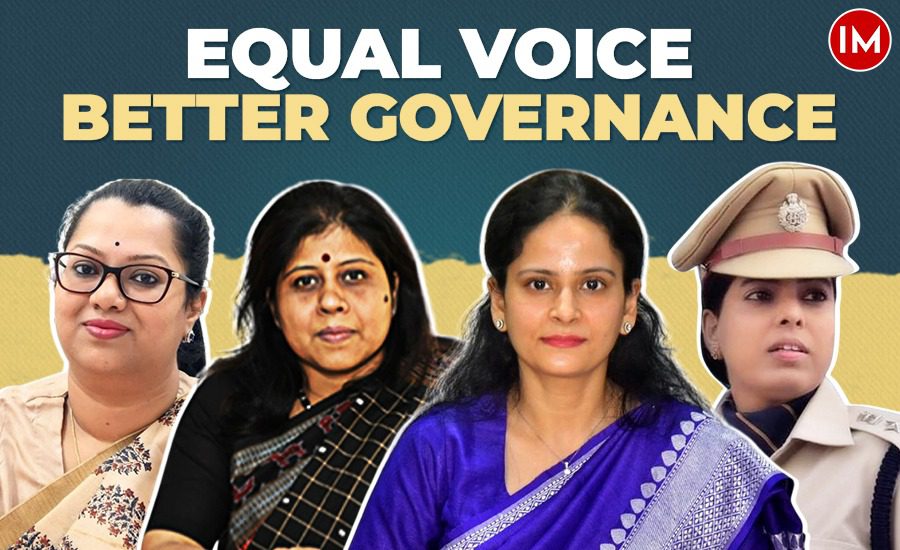
For a nation to progress, its governance must reflect the voices and needs of its entire population. Women constitute nearly 50% of the world’s population, yet their representation in government and bureaucracy remains significantly low. When women are included in decision-making, governance becomes more inclusive, policies become more comprehensive, and society as a whole benefits. Increasing women’s representation in administration, law enforcement, and policymaking is not just about gender equality – it’s about ensuring better governance, economic growth, and a more just society.
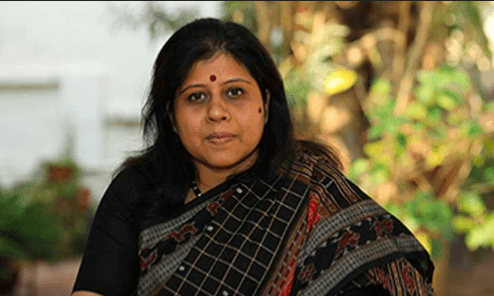
From being excluded from uniform design and decision-making in disaster management to being sidelined in rural governance, women still face structural and societal barriers that prevent them from assuming leadership roles. However, the increasing presence of women in government, bureaucracy, and law enforcement is gradually changing the narrative. As Ms. Roopa Roshan Sahoo, RDC Southern Division, Odisha, puts it, “The world is moving beyond the outdated ‘strongman’ model of leadership. Challenges like the pandemic, climate change, and mass migration require empathy, collaboration, and inclusiveness – qualities often associated with female leadership.”
THE NUMBERS
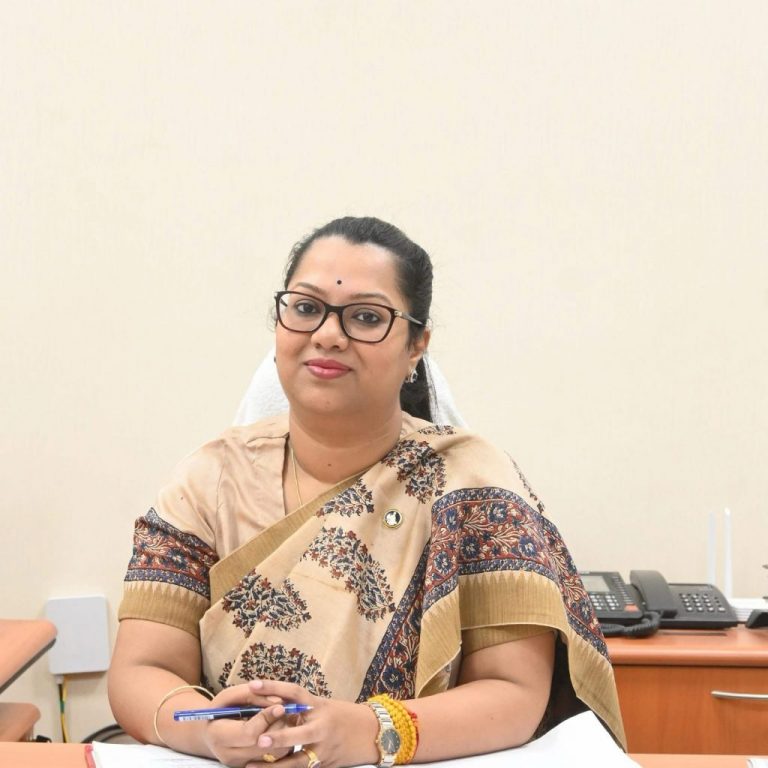
Despite progress, the representation of women in India’s civil services is still low. Since 1951, when the first woman joined the Indian Administrative Service (IAS), women have constituted only 13% of all IAS officers. An analysis by IndiaSpend, based on data from the Trivedi Centre for Political Data at Ashoka University, reveals that out of 11,569 IAS officers inducted between 1951 and 2020, only 1,527 were women. The proportion of women entering the IAS has risen from 9% in 1970 to 31% in 2020, but the overall number remains low. Currently, women make up just 21% of serving IAS officers, according to data from the National Informatics Centre.
A NECESSITY, NOT AN OPTION
In governance, policies that exclude women’s perspectives often fail to address key societal concerns. The lack of female voices leads to governance structures that are neither inclusive nor democratic. IAS officer Saloni Sidana, Mission Director for the National Health Mission (MP), emphasizes the need for role models. “Even today, we need women like Kiran Bedi and Kalpana Chawla to look up to. Their stories infuse confidence in young girls who dream big. Since women make up almost 50% of the population, it is essential that they are heard in every forum.”
THE IMAPCT OF WOMEN IN GOVERNANCE
1. Better Policy Decisions and Community Development
When women take leadership roles in rural governance, decisions become more balanced and practical. IAS officer Abhilasha Kumari Sharma, MGNREGA Commissioner and CEO of Bihar Rural Development Society, highlights the impact of female leadership in programs like JEEVIKA. “When women started leading Self-Help Groups (SHGs), they ensured that loans were properly used for income generation, directly improving their families’ financial stability. Similarly, in MGNREGA, women’s involvement in decision-making led to projects that benefited the entire community, such as water conservation structures, roads, and anganwadicenters.”
2. Improving Welfare Programs and Social Inclusion
Women’s participation in government helps shape policies that address broader social concerns. When women are involved in programs like the Pradhan Mantri Awas Yojana (PMAY) and Lohiya Swachh Bihar Abhiyan (LSBA), they ensure that houses and toilets are built with safety, hygiene, and dignity in mind. Female social auditors in MGNREGA help reduce corruption and ensure wages reach the right workers, creating a more inclusive and transparent system.
3. Ensuring Gender-Sensitive Governance
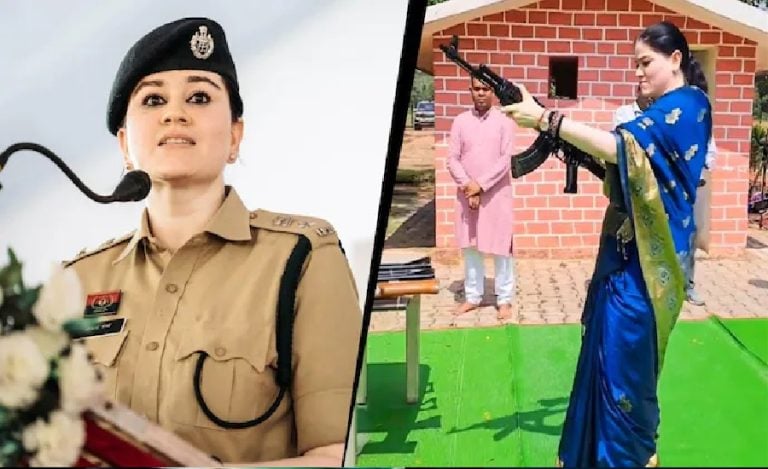
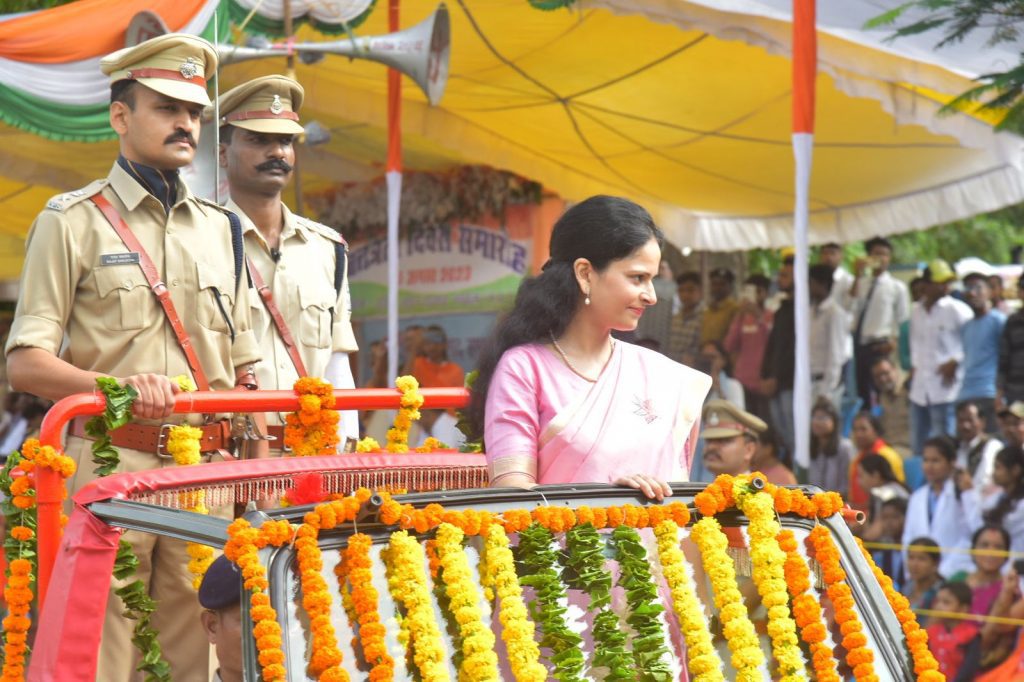
Policies designed without women’s input often ignore their needs. IPS officer and DIG,Economic offence Wing,CBI,Mumbai, Ms. Sara Sharma highlights how women are frequently left out of disaster management decisions. “Cyclones happen every year in Odisha, yet women are not part of the decision-making process. As a result, their specific requirements-such as sanitary napkins-are often excluded from relief measures.”
Even in law enforcement, biases persist. Sharma points out that in police forces, male officers often question a woman’s ability to handle operations. “If I put a female staff member on an operation, male officers would say, ‘Woh kyakarlegi?’ (What will she be able to do?).” Moreover, women officers are often assigned cases related to crimes against women, reinforcing stereotypes rather than ensuring equal responsibility.
4. Beyond Symbolic Representation: True Empowerment
The inclusion of women in governance must go beyond tokenism. In many rural areas, women are elected as Sarpanches (village heads), but the actual decision-making is done by their husbands or other male relatives. “This kind of empowerment is of no use,” says Sharma. “Despite the 73rd and 74th constitutional amendments that sought to empower local governance, women still struggle to exercise real authority.”
5. Challenging Workplace Discrimination
Women in administration often face biases in career progression. Those who take maternity or childcare leave are sometimes assigned to side postings, or worse, overlooked for key roles even when they return to work. “A woman has to work doubly hard to prove her mettle compared to her male counterparts,” Sharma notes.
STEPS TO ENCOURAGE FEMALE PARTICIPATION
- Leadership Training and Support
- Training programsshould be expanded to provide women with financial management and governance skills.
- Ensuring Safety and Mobility
- More female security officers and safe transport options for women officials should be introduced.
- Recognizing and Celebrating Female Leaders
- Role models like Kiran Bedi and Kalpana Chawla serve as inspirations for young girls aspiring to enter leadership roles.
- Institutional Strengthening for Gender Equality
- Strengthening government institutions responsible for gender equity can help create more opportunities for women in leadership.
- Creating Career Pipelines for Women in Non-Traditional Sectors
- Women should be encouraged to take leadership roles in finance, defense, and security, rather than being confined to traditionally “feminine” sectors.

A CALL FOR CHANGE
Increasing women’s representation in governance is not just a matter of justice-it is a necessity for effective policymaking. Women bring unique perspectives that lead to more inclusive, practical, and community-focused policies. Whether in local governance, bureaucracy, or law enforcement, their presence strengthens institutions and creates a society that works for everyone.
As the world moves towards more collaborative and empathetic leadership models, it is time for India to fully embrace the contributions of women in governance. By breaking down barriers, challenging stereotypes, and ensuring that women have an equal seat at the table, we can build a future that is not just gender-inclusive but also more just, prosperous, and well-governed.