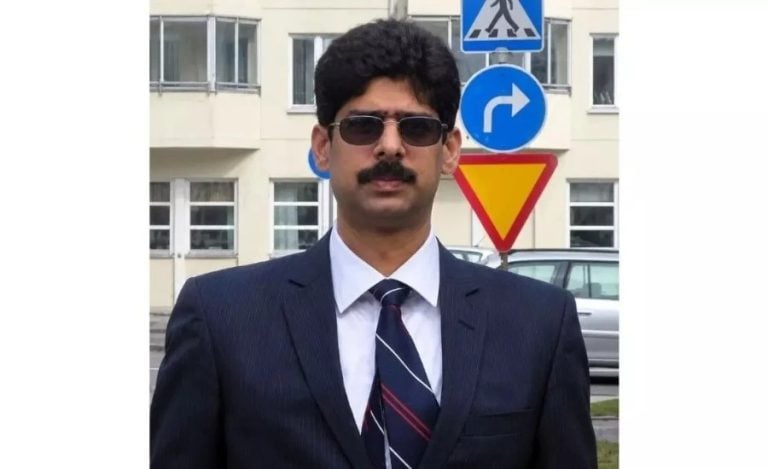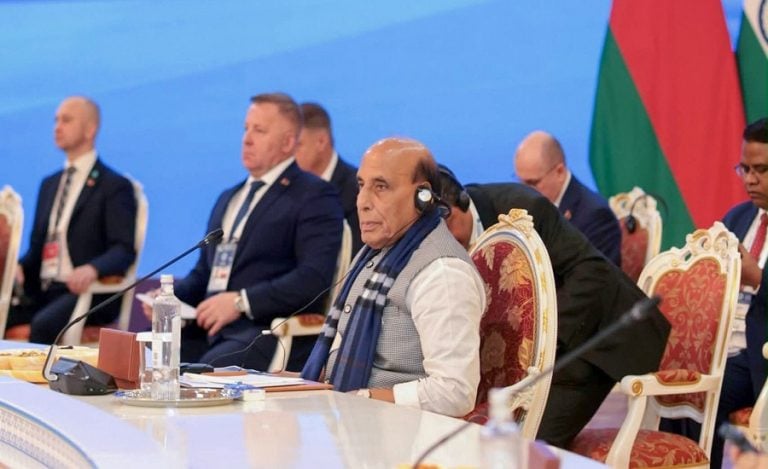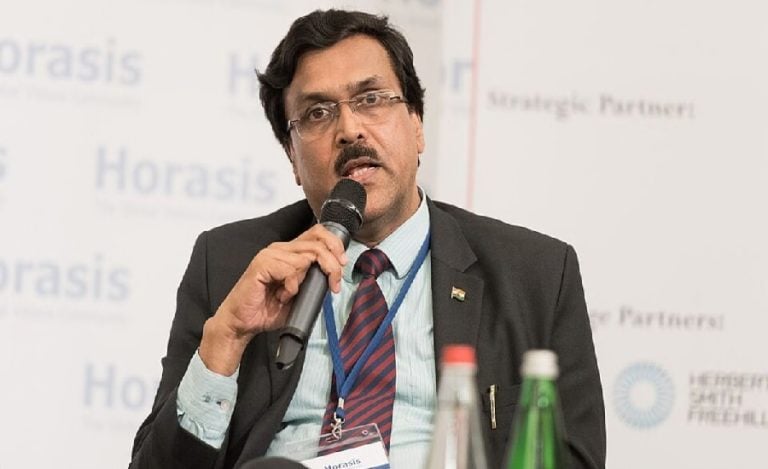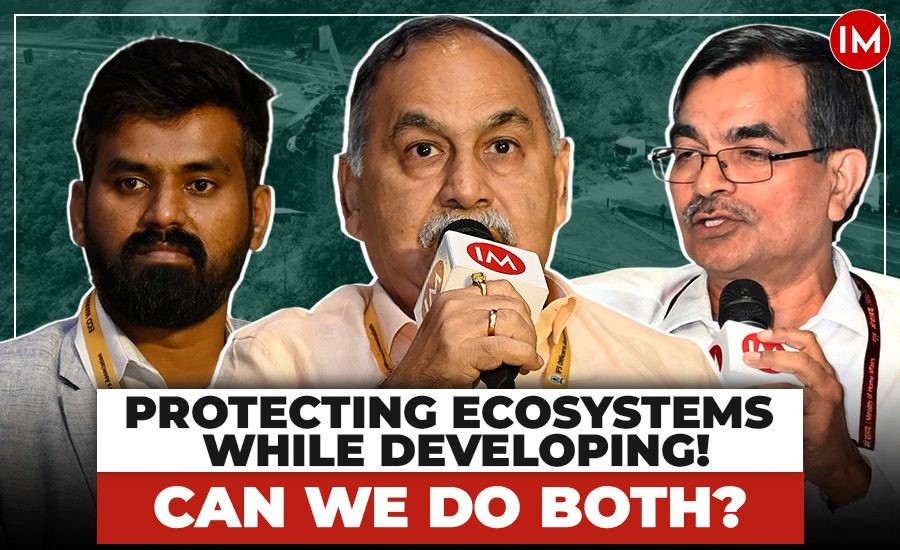
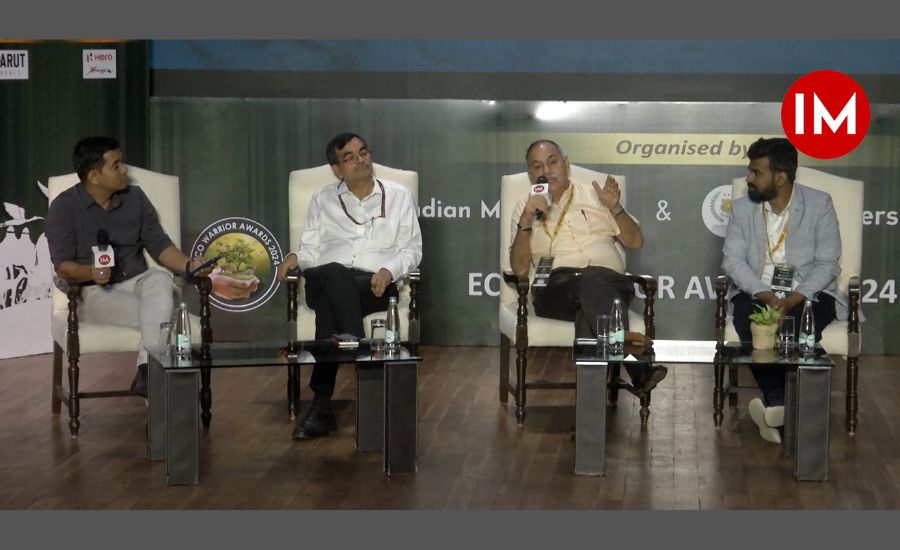
In a world where the tension between development and conservation is ever-present, managing fragile ecosystems has become a critical challenge. The second banner session of our conclave brought together a distinguished panel to delve into this pressing issue. The session featured retired IFS officer Mr. DVS Khati, Mr. Rajiv Tiwari, Additional Principal Chief Conservator of Forests and Joint Secretary of Women and Child Development, and Mr. Prem Kumar Viswanath, the founder and CEO of Maru Drones. Their insights shed light on how we can navigate the delicate balance between human activity and ecosystem preservation.
Watch the full panel discussion here:
Understanding Fragile Ecosystems
Mr. DVS Khati began by explaining what constitutes a fragile ecosystem. Fragile ecosystems are areas where environmental conditions are easily disturbed by human activity or natural events, leading to significant impacts on their stability and biodiversity. While we often focus on visible species, Mr. Khati emphasized the importance of recognizing the roles of less visible species and the delicate balance that sustains them. Fragility arises when an ecosystem exceeds its carrying capacity, meaning that the pressures exerted by human activities, such as deforestation or pollution, can lead to degradation.
Mr. Khati noted that Earth’s ecosystems are interconnected and that the fragility of an ecosystem is often linked to the broader environmental and climatic conditions. For instance, rapid population growth in densely populated countries like India and China has exerted immense pressure on natural resources, leading to unsustainable practices. Conversely, in underpopulated regions, issues such as immigration and limited resource availability also impact ecosystem health.
Striking a Balance Between Tourism and Conservation
The discussion shifted to the challenge of balancing tourism and conservation. Tourism, when managed improperly, can put immense strain on delicate ecosystems. Mr. Khati suggested that instead of allowing unrestricted access, we should consider measures like promoting mass transportation within national parks, which can reduce environmental strain while still allowing people to experience nature. For example, controlling visitor numbers and promoting eco-friendly transport options can mitigate the impact on fragile areas.
Mr. Khati also emphasized the need for dynamic management strategies. What works today might not be effective tomorrow due to changing environmental conditions. Policies must be adaptable to ensure that ecosystems remain protected while accommodating tourism.
Policy Changes for Ecosystem Protection
Mr. Khati advocated for integrating sustainability and conservation into district-level planning rather than relying on outdated administrative boundaries. He recalled his early service days when forest divisions were aligned with natural catchment areas, allowing for more effective management. Today, administrative boundaries often ignore these natural divisions, leading to fragmented management and inadequate protection.
A holistic approach to policymaking, incorporating natural catchment areas and sustainable practices, is crucial. Additionally, development actions must be designed to avoid irreversible damage to ecosystems. Mr. Khati’s call for more integrated and adaptive management policies is vital for protecting fragile ecosystems.
Educating the Youth and Public
Mr. Rajiv Tiwari, who is also involved in the Women and Child Development Department, highlighted the importance of instilling a deep understanding of sustainability among the youth and families. Education plays a crucial role in fostering awareness and appreciation of ecosystems. Tiwari stressed that a thorough understanding of ecosystems, including their limitations and the role of forests, is essential for effective conservation.
He pointed out that forests have their limits, especially concerning landslides and environmental changes. For instance, while forests can help prevent shallow landslides, deep landslides are influenced more by geological factors and rainfall. Recognizing these limitations helps in crafting realistic conservation strategies.
Impact of Infrastructure Development
The conversation also touched on the impact of infrastructure development on fragile ecosystems. Development often comes with ecological costs, such as altered hydrology and increased soil erosion. Mr. Khati shared his experience with the adverse effects of road widening and explosive use in hill areas, which has led to an increase in landslide zones.
In contrast, countries like China are adopting innovative solutions, such as tunneling, to mitigate environmental disruption. India is also exploring sustainable practices, like run-of-the-river hydropower projects and tunnel-based railways, to minimize surface impact.
Technological Innovations in Conservation
Mr. Prem Kumar Vislawath discussed the role of technology in conservation, particularly through the use of drones. Drones have revolutionized forest monitoring and reforestation efforts. By providing a means to access remote areas and gather data efficiently, drones enhance the effectiveness of conservation initiatives.
Mr. Vislawath’s company, Maru Drones, has pioneered the use of drones for reforestation by deploying seed balls in hard-to-reach areas. This technology allows for large-scale reforestation projects and helps in scaling up green cover efforts.
Future Directions and Innovations
The panel concluded with a discussion on future directions and innovations in conservation. Mr. Rajiv emphasized the need for policies that incorporate sustainable practices while promoting development. The concept of rotational grazing and allowing forests to rest, as practiced in Jammu and Kashmir, is one example of integrating conservation with local needs.
Prem Kumar highlighted other technological solutions, such as carbon credit markets and advanced surveillance technologies, which can further enhance conservation efforts. Engaging urban populations through educational initiatives and incorporating conservation into school curriculums can also foster a stronger connection to nature.
Conclusion
The discussion underscored the complexity of managing fragile ecosystems in the face of development pressures. Balancing tourism, infrastructure, and conservation requires a multifaceted approach that integrates policy, education, and technology. As we move forward, the insights shared by the panelists provide a roadmap for developing strategies that protect our planet’s fragile ecosystems while accommodating human needs. It is a reminder that every action we take has consequences for the environment and that preserving our natural heritage is a shared responsibility.