In 2017, IAS Manisha Awhale (2019 batch Maharashtra cadre) was on the cusp of a defining moment in her life—her UPSC CSE interview was just days away. But, as life would have it, she was confronted with news that shook her world. Her mother was diagnosed with stage 2 breast cancer. What was meant to be a time of focus and preparation turned into a period of navigating hospitals, treatments, and worry.
Speaking with Indian Masterminds, Ms. Awhale shared, “I remember sitting with my mother in the hospital, watching her go through chemotherapy. That was when I realized how early detection had saved her life. I knew then that I wanted to do something to help other women facing the same battle,” Manisha Awhale, CEO, ZP, Solapur, recalls. Her mother’s successful recovery after surgery and months of treatment ignited a passion in Manisha.
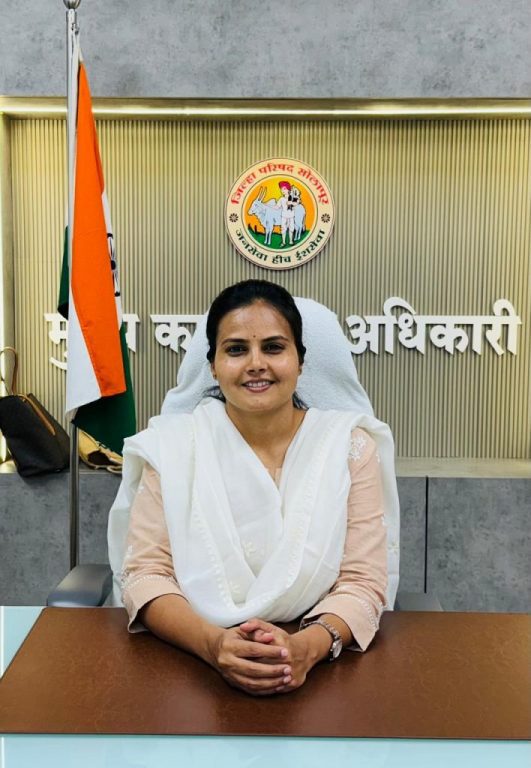
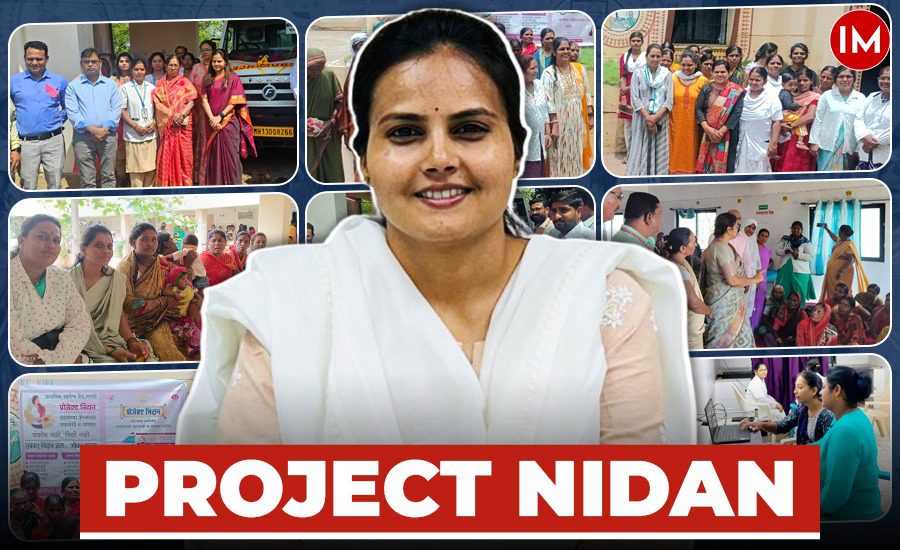
As she entered the civil service, she carried the resolve to transform her personal experience into a public mission. Years later, in 2022, as posted in Solapur, Maharashtra, she launched Project Nidan—a comprehensive breast cancer awareness and screening initiative aimed at providing women in rural areas with access to timely diagnosis and treatment.
Breast Cancer in Rural India
Breast cancer is one of the leading causes of cancer-related deaths among women in India, and the figures are even more alarming in rural areas. In many cases, the disease is detected too late due to lack of awareness, social stigma, and the limited availability of screening facilities. “In villages, the myths surrounding breast cancer are rampant. Many women don’t even report a lump because they think it’s shameful or believe it’s a curse,” Ms. Awhale explains.
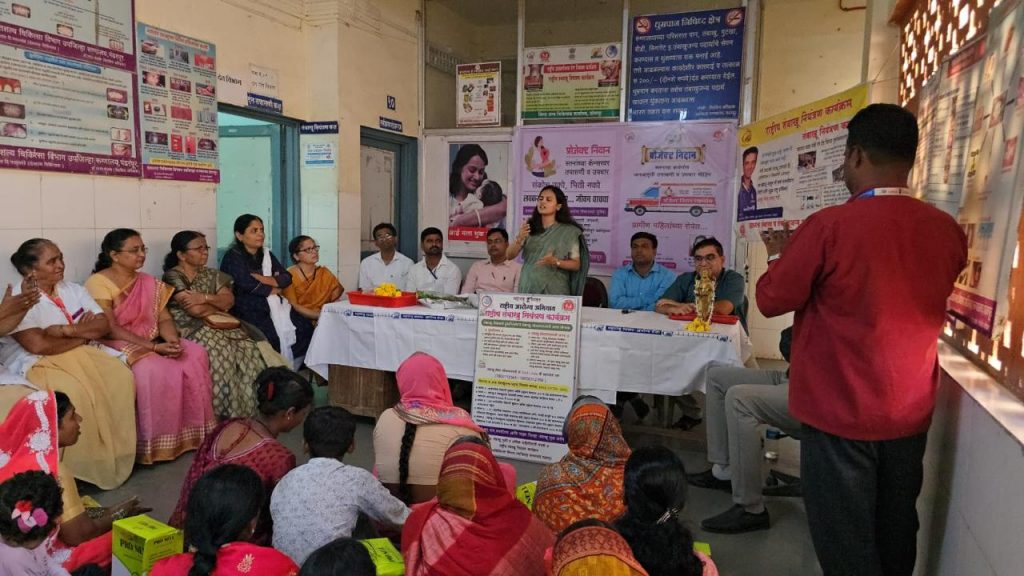
Her own mother’s diagnosis, which was caught in its early stages, had driven home the importance of early detection. Yet, in Solapur, Ms. Awhale found that women were reluctant to seek help. Determined to change this, she knew it wasn’t just about medical resources—it was about building trust within the community.
Building the Foundation of Project Nidan
The officers first step was to train local healthcare workers, such as ASHA (Accredited Social Health Activists) workers and ANMs (Auxiliary Nurse Midwives), who were already embedded in the community. She recognized the critical role these women played as trusted figures. “The ASHA workers are the backbone of our healthcare system in rural areas. Women trust them. So, if we could train them to talk about breast cancer and help conduct screenings, we could reach more people,” Ms. Awhale explains.
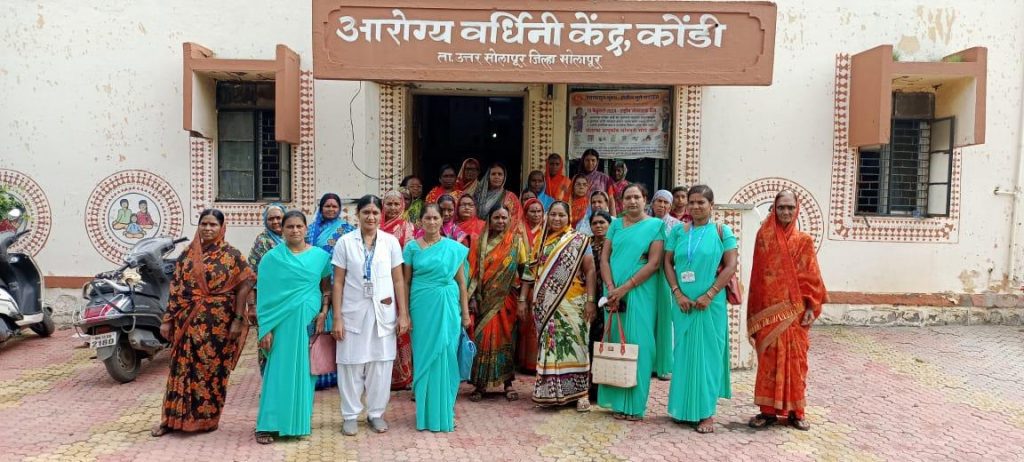
Under her guidance, Nidan teams were set up at the taluka level, equipped with resources to conduct both thermal screening and physical exams. While thermal screening is not entirely conclusive, it served as an important first step in identifying potential cases. “Thermal screening isn’t a silver bullet, but it helped us break the ice. It gave women a non-invasive option to start the process and made them more comfortable,” Ms. Awhale shares.
The real challenge, however, was encouraging women to come forward. In the early months of the project, participation was low, with few women showing up at the health camps organized by the Nidan teams. “We had vehicles with screening machines and trained staff, but the turnout was dismal,” the officer admits. That’s when she decided to switch tactics. Rather than waiting for women to come to the camps, she sent healthcare workers door-to-door to talk about breast cancer, perform initial screenings, and build rapport. “It took time—about a month and a half—but eventually, we started seeing the numbers go up. Women were talking to their neighbors and friends about the screenings. That’s when we knew the message was getting through,” she says.
Achieving Success Against the Odds
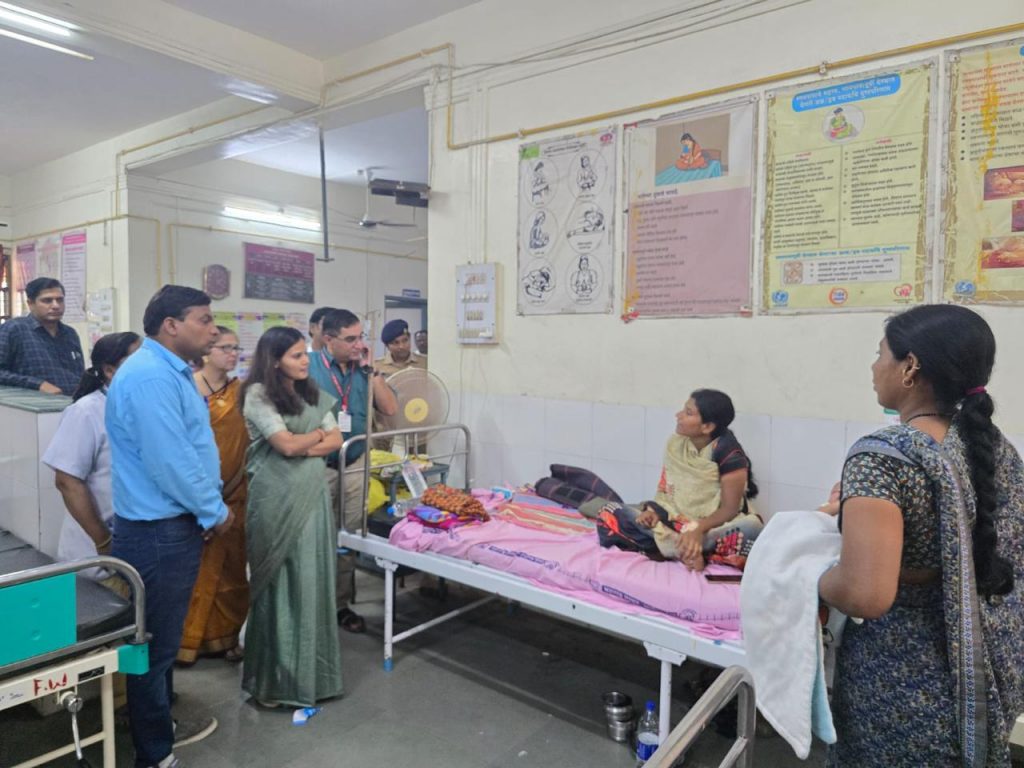
Within the first three months of Project Nidan, the impact was clear. Over 700 women had undergone mammography screenings, and 31 were diagnosed with breast cancer and put on treatment. The officer further added that it’s not just about the numbers, though they matter. The real success was in changing the mindset of the women. Many of them had never considered breast cancer a risk before. One particular success story came from Pandharpur taluka, where the taluka health officer took a hands-on approach, helping to organize teams and lead the charge in his area. “He was instrumental in making it work. When local leadership gets involved, it changes the whole dynamic,” Ms. Awhale notes.
In addition to screenings, Project Nidan made it a priority to cover the costs of further diagnostics and treatment for those diagnosed. The project established a partnership with nearby cancer hospitals and signed MOUs to ensure surgeries and treatments were provided free of charge under the state’s Mahatma Jyotiba Phule Jan Arogya Yojana (MJPJAY).
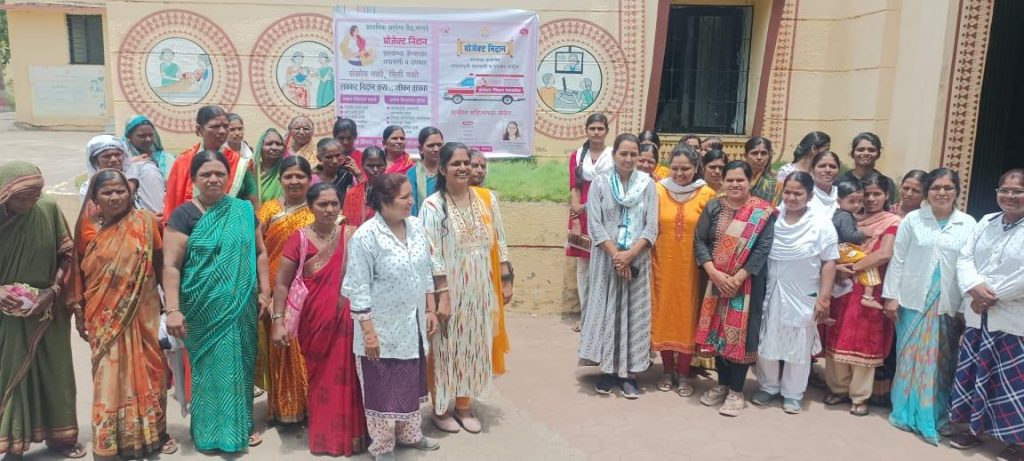
“The costs of treatment are a major concern for women. Many of them just don’t have the means to afford chemotherapy or surgery. So we made sure that once they were diagnosed, we didn’t leave them hanging. We supported them through the entire process,” the officer says.
Breaking Stigma, Building Hope
The key to Project Nidan’s success has been its ability to break the silence around breast cancer. At first, many women wouldn’t even talk about it. But once they saw their neighbors getting screened and getting help, they felt more comfortable coming forward. She credits much of the success to the healthcare workers on the ground. “They were the real heroes. They knew these women personally, and they were able to convince them to take that first step toward screening. It wasn’t easy—it took time to build that trust—but once it was there, the results followed.
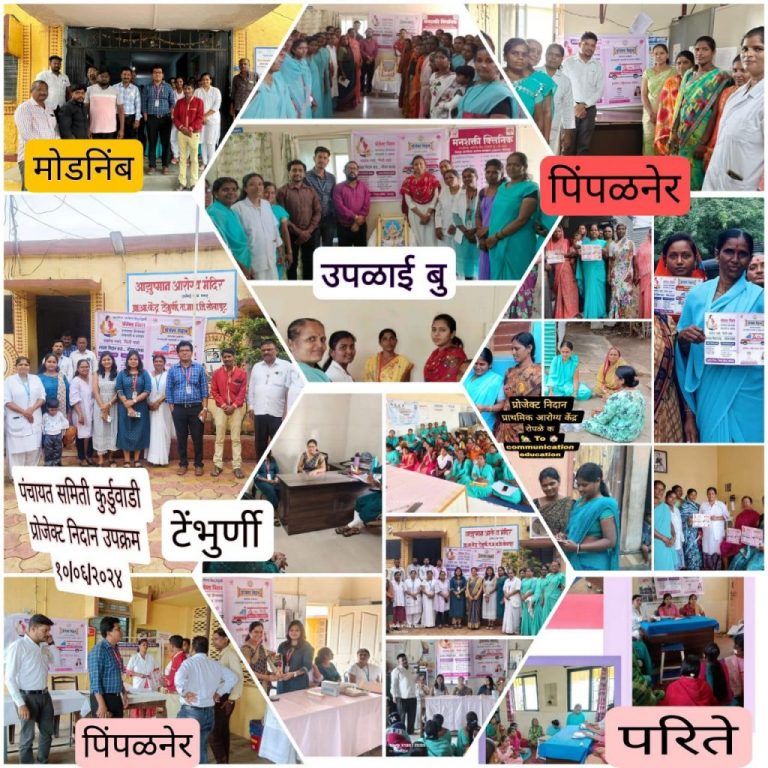
“Reflecting on her journey, she acknowledges that her mother’s battle with cancer was the catalyst for her work. “I didn’t tell my parents about the project at first. But when they found out, my mom was so proud. She had been through so much, and now we’re helping other women who are going through the same thing,” Ms. Awhale shares.
For IAS Manisha Awhale, Project Nidan isn’t just about awareness and numbers—it’s about giving women the opportunity to prioritize their health without fear or stigma. “All they need is that initial push. Once they realize that their health matters, they take control of it. And that’s what Nidan is all about.”