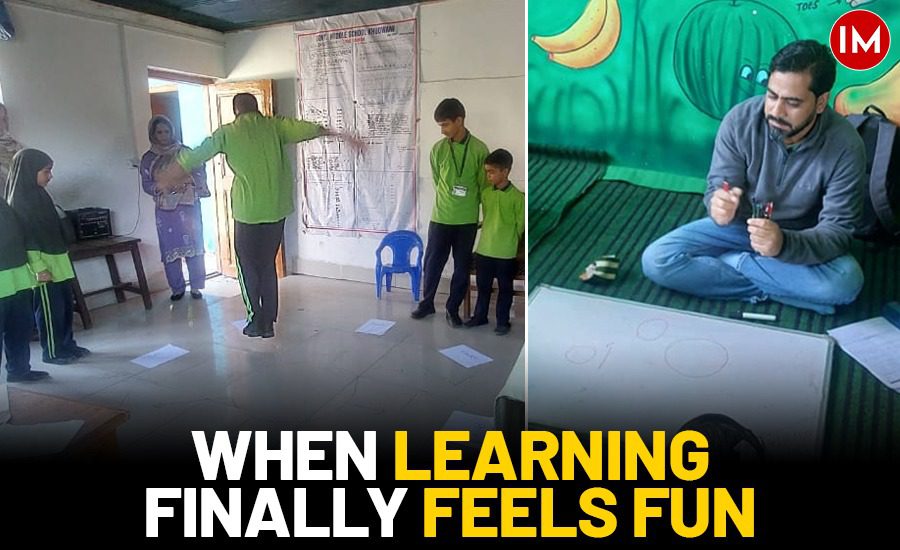
In the classrooms of Kulgam, a quiet but powerful shift is taking place. Children are coming to school more regularly, participating more freely, and engaging with lessons in ways teachers had long hoped for but rarely witnessed. The change is visible in their confidence, in their curiosity, and in the growing energy that fills these learning spaces each day.
This transformation is the result of Classes of Joy, a district-wide initiative launched by the District Administration Kulgam, under the leadership of IAS Athar Aamir Khan, to make classrooms more engaging, joyful and deeply student-centred.
THE CHALLENGE SCHOOLS COULD NO LONGER IGNORE
For years, low attendance and student disengagement troubled many primary schools. The issue was not a lack of intelligence or potential among children, but a growing emotional distance from learning itself. Lessons felt rigid, fear of failure was common, and classrooms often failed to connect with how children naturally explore and understand the world.
Classes of Joy was designed to close that gap by reshaping classrooms into spaces where curiosity, creativity and confidence grow together.
INSIDE THE CLASSROOMS OF JOY
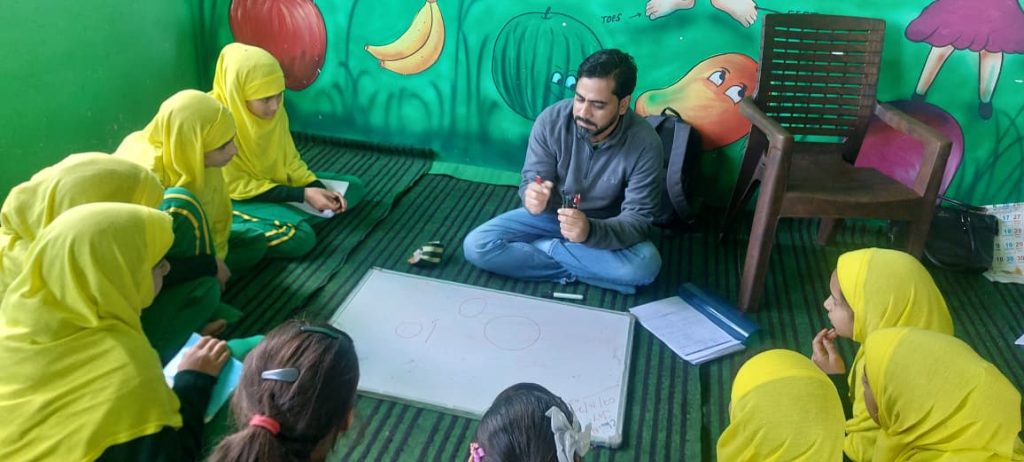
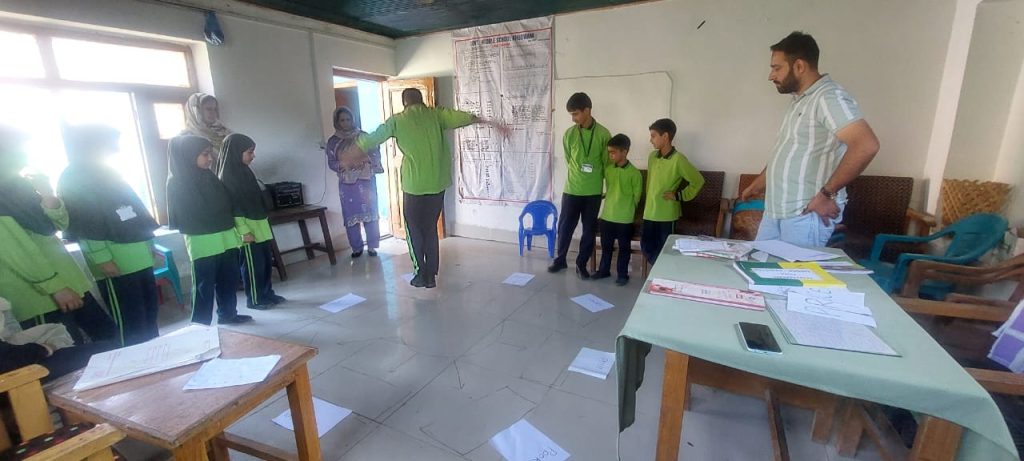
Under this initiative, learning sessions are carefully designed to blend academics with happiness, playfulness and meaningful interaction. Instead of relying only on textbooks and lectures, teachers use hands-on activities, storytelling, games, movement and peer learning. Children are encouraged to ask questions, work together and express themselves freely.
As learning becomes enjoyable, attention spans increase, fear decreases, and students begin to take academic risks without anxiety. The classroom slowly turns into a place of emotional safety, where every child feels seen, valued and supported.
WHY ENGAGEMENT AND ATTENDANCE ARE RISING
When learning feels alive, children want to be present. Schools implementing Classes of Joy are seeing attendance rise naturally, without pressure or enforcement. Students return home talking about their school day with excitement, which motivates parents to ensure regular attendance.
Academic pressure, especially for children who struggle, reduces sharply. With less fear and more encouragement, students begin participating more openly. As children experience care and belonging in the classroom, absenteeism drops and engagement strengthens.
IMPACT ON LEARNING OUTCOMES
The impact is visible across schools in Kulgam. Participation in class activities has increased, learning outcomes, particularly in foundational subjects, are improving, and students display stronger confidence and self-expression. Classrooms are evolving into supportive communities where children learn with and from one another.
Joy does not replace learning. It becomes the force that drives it.
FROM CLASSROOM CHANGE TO NATIONAL RECOGNITION
This transformation inside classrooms is now reflected on the national stage. In November, Block Manzgam of Kulgam district secured 5th rank across India and 3rd rank in Zone 1 in the ABP Rankings (Q2, July–September 2025-26) released by NITI Aayog under the Aspirational Blocks Programme (ABP).
The ranking highlights Kulgam’s sustained progress across education, health, agriculture, financial inclusion and basic infrastructure. Behind these figures lies the daily work of teachers, administrators and communities, supported by initiatives like Classes of Joy that strengthen learning at its roots.
LEADERSHIP BEHIND THE MOMENTUM
Reacting to the achievement, Deputy Commissioner Kulgam, Athar Aamir Khan, explained to Indian Masterminds: “The performance of Block Manzgam is the outcome of coordinated planning, focused interventions and consistent monitoring, supported by active community participation.”
He added that the district administration remains committed to strengthening these efforts and reaching even higher milestones in the coming quarters.
A MODEL THAT REDEFINES LEARNING
Classes of Joy show that when education connects with both the heart and the mind, change becomes sustainable. Attendance rises naturally, learning becomes meaningful, and classrooms transform into spaces where children grow not just academically, but emotionally and socially as well.
By nurturing joyful, interactive and child-centred classrooms, Kulgam is shaping confident, curious and motivated young learners, and building a future where education feels like an opportunity, not an obligation.