In many villages across India, Anganwadis, the rural childcare centers created under the Integrated Child Development Services (ICDS), exist only in name. Designed to support the health, nutrition, and development of children under six, these centers have, over time, been reduced to distribution points for rationing. Packets of food meant for pregnant women and children are delivered directly to homes, bypassing the centers entirely.
But IAS officer Akash Bansal, a 2019 batch officer from the Punjab cadre, is determined to change that. His initiative is not about adding gloss to old buildings; it’s about reviving the very purpose of Anganwadis, about which he exclusively spoke with Indian Masterminds.
“Somewhere along the way, we forgot what these centers were meant to be. They weren’t built just to distribute rations. They were meant to be safe, happy spaces where rural children could begin their learning journey,” Bansal shared.
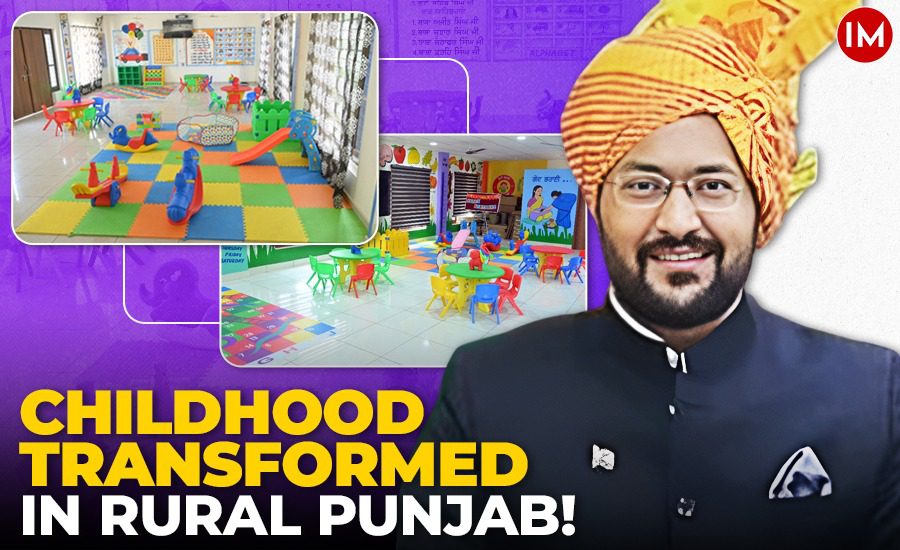
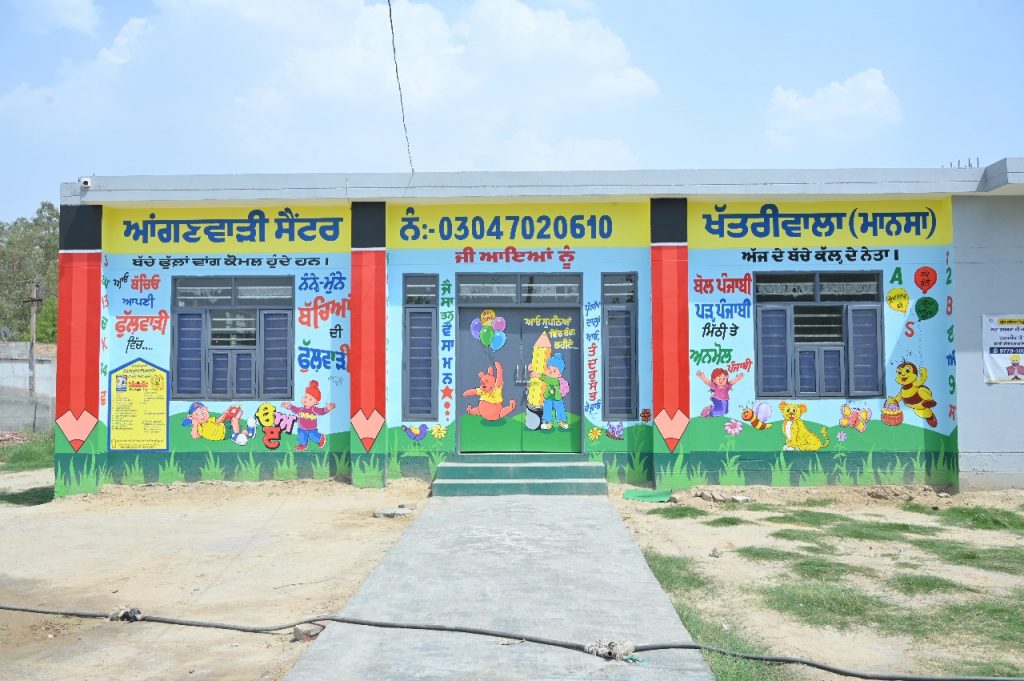
And now, under his leadership, 36 Adarsh Anganwadis, or model Anganwadis, have come up across rural Punjab, each redesigned to offer exactly that.
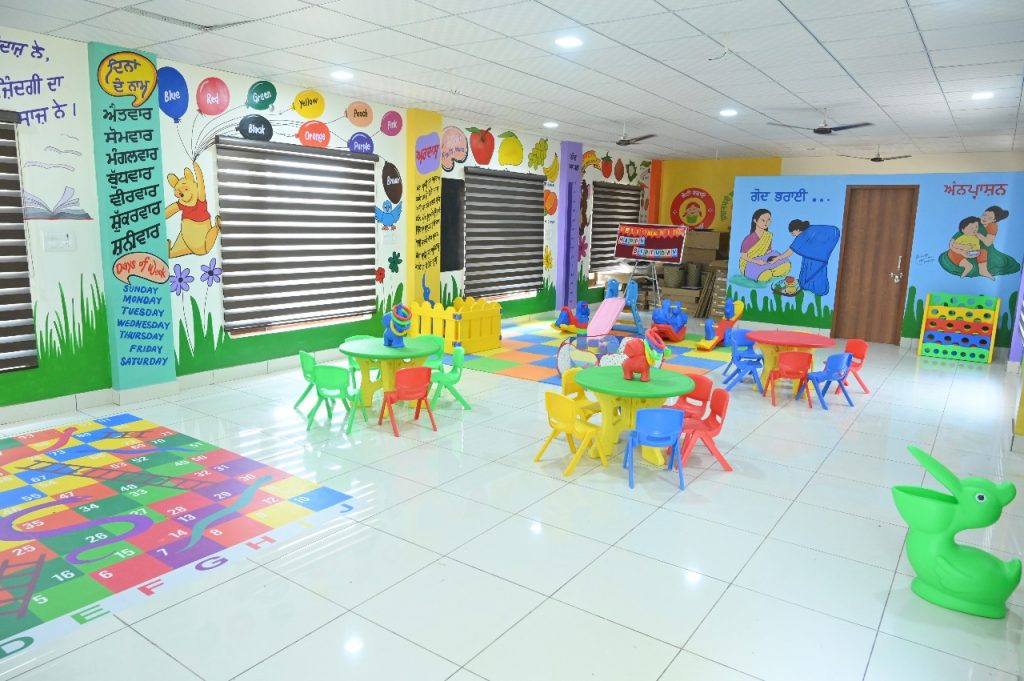
FROM STORAGE ROOMS TO SPACES OF LEARNING
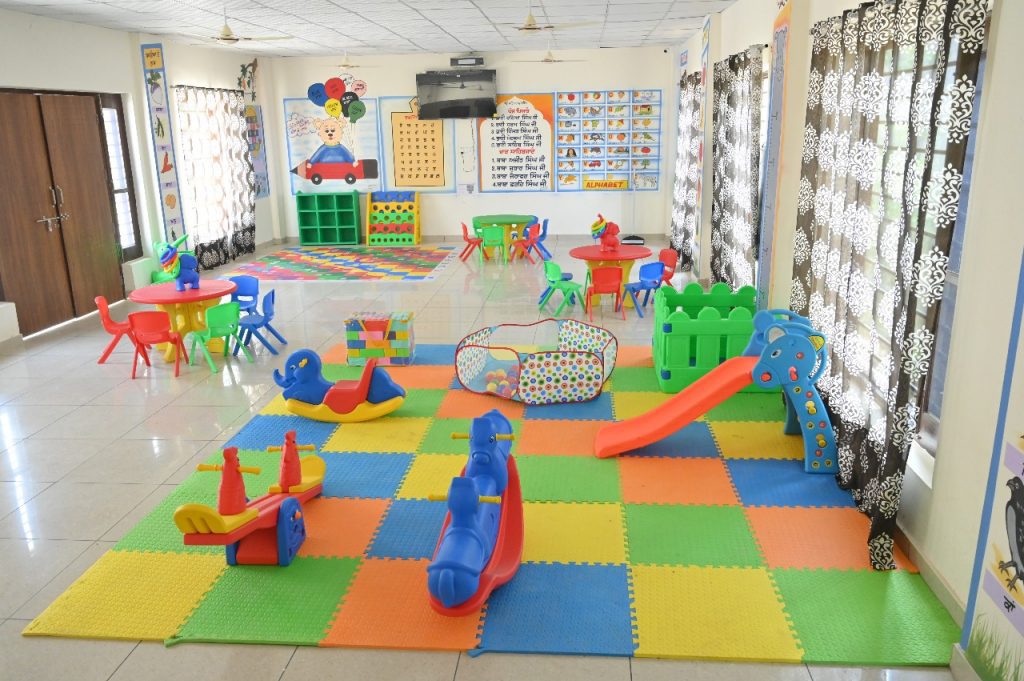
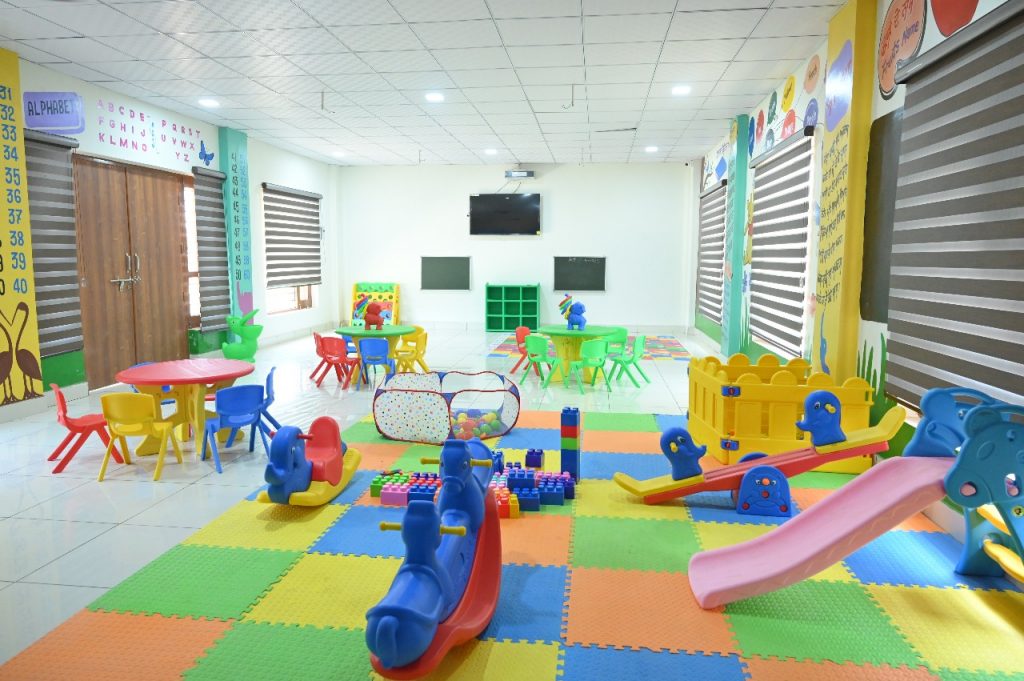
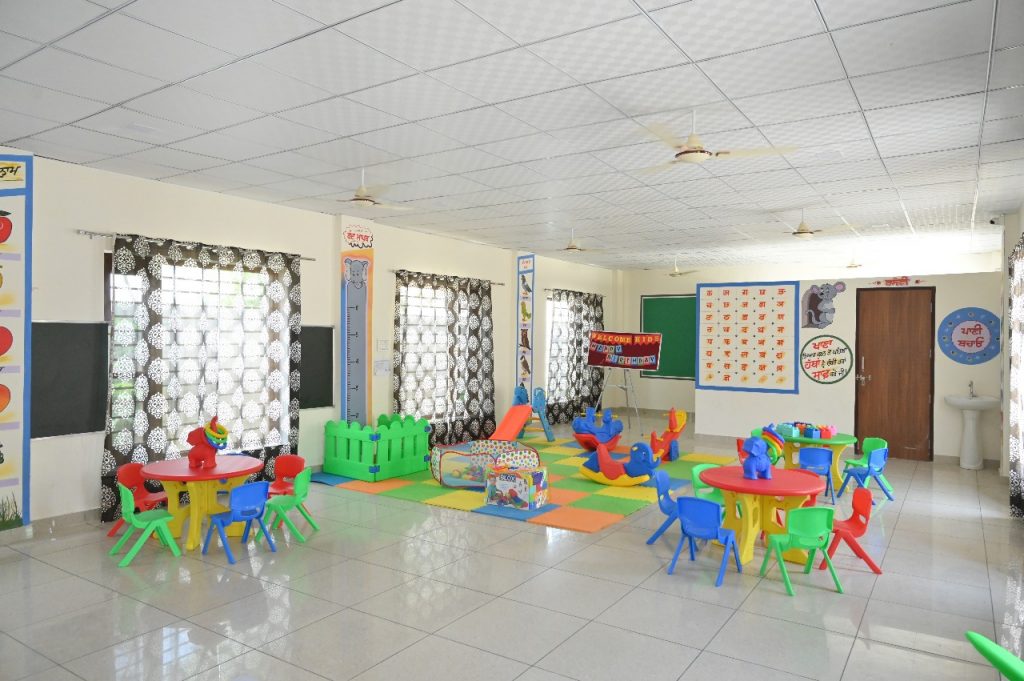
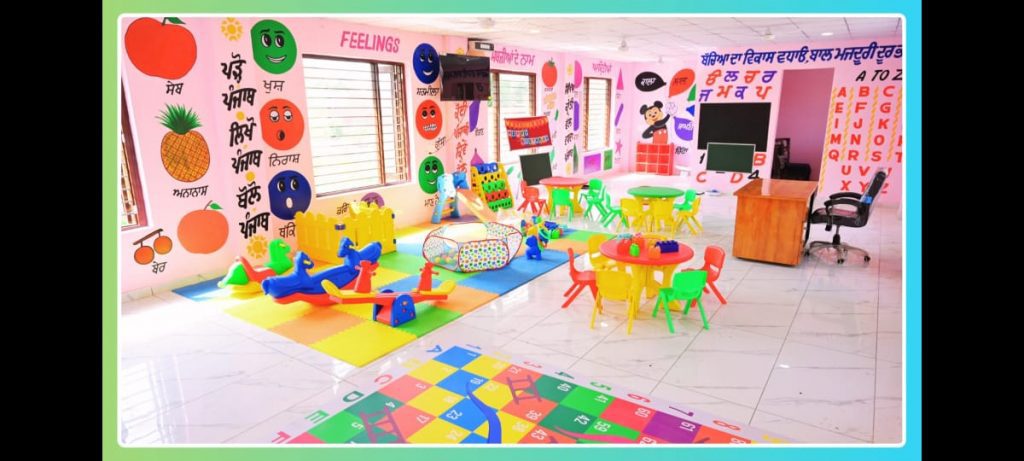
Walk into one of these newly transformed Anganwadis, and it feels nothing like the neglected centers of the past. Walls are painted with bright colors and learning posters. There are toys and child-sized furniture, clean child-friendly toilets designed for kids, and kitchens ready to prepare hot meals. Even a television set plays audiovisual learning content.
“These centers were always supposed to be the rural equivalent of a playschool. But in the absence of good infrastructure and clarity, they became storage spaces. We wanted to shift that narrative and make these places so attractive and functional that children would actually want to come,” he told Indian Masterminds.
CCTV cameras have been installed at minimal cost, ensuring safety and accountability. With clean kitchens and stocked play corners, these Anganwadis are now being used the way they were originally envisioned.
THE LARGER PROBLEM: WHAT HAPPENED TO EARLY CHILDHOOD CARE?
Under ICDS, Anganwadis were meant to support holistic development – physical, psychological, and social – of children in their first six years, a period critical for brain development.
But as Bansal points out, “We started focusing only on nutrition. Health and food are important, yes but what about the child’s brain? What about language? Social skills? Motor coordination? These things matter just as much in early childhood.”
While urban children often attend playschools or preschools, rural kids are left out. Many are thrust straight into primary school at age 6, without any prior exposure to a structured learning environment.
That jump can be jarring. It often results in poor adjustment, disinterest, and eventually, dropouts.
“Anganwadis were supposed to bridge that gap,” Bansal explains. “They were supposed to prepare children for school, not just feed them.”
RECLAIMING THAT SPACE WITH COMMUNITY OWNERSHIP
A striking aspect of this initiative is how no extra funding was sought. Instead, Bansal and his team pooled resources smartly from existing schemes, mainly MGNREGA and the Women and Child Development Department under ICDS.
“There’s no magic budget here. We didn’t ask for special funds. We just used what was already available more thoughtfully,” he stated.
A key strategy was involving the Gram Panchayats, ensuring that each village felt ownership of its center. This led to better upkeep, participation, and sustainability.
“We aren’t parachuting a solution into these communities. We’re building it with them,” he says.
CHILDREN STAY, MOTHERS BREATHE EASY
The changes are already visible. Where earlier women would tie their toddlers in cloth swings under trees while working at NREGA sites, now they drop their kids off at the Anganwadi.
“Rural women told us they finally feel what urban mothers do when they leave their child at a crèche,” Bansal shares. “They know their children are safe, well-fed, and learning something.”
Workers, too, have responded positively. Earlier, they had no proper seating or facilities. Now, they have a comfortable space to engage children and track developmental milestones like height, weight, and BMI in person.
“The idea is not just to hand over food packets but to actually see the children, monitor them, and respond if we spot signs of malnutrition,” Bansal shared with Indian Masterminds.
A MODEL TAKING ROOT
With 15 more Adarsh Anganwadis under construction, the project is already expanding. Requests for designs, cost breakdowns, and blueprints are pouring in from other districts and officers.
“We’re at the point where this can scale. The demand is there. The model is replicable,” Bansal says, his voice charged with quiet conviction.
When asked what has made this initiative relatively smooth compared to other development efforts, he says, “Libraries were a new idea. We had to convince people. But Anganwadis, they were always here. We just gave them the form and function they were meant to have.”
REIMAGINING THE FUTURE
This initiative does more than fix infrastructure; it restores confidence in public systems. By blending early education, safety, and nutrition into a single community space, it offers rural children the start they deserve. And it does so without reinventing the wheel, just by returning to the original promise of the Anganwadi model.
“People think transformation needs big money or new schemes,” Bansal says. “But often, it’s just about looking at what’s already there and making it work the way it was meant to.”
For now, the laughter and chatter in 36 bright, lively Anganwadis across Punjab are proof that the idea is working. And that sometimes, all it takes is for one officer to ask, “What was this space supposed to be, and why did we stop believing in it?”