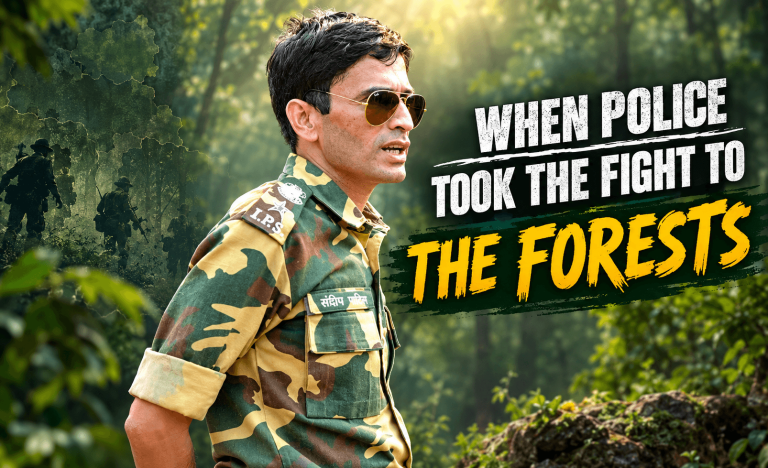
For IFS officer Suman W M Sivachar, conservation in Nagaland is not confined to protecting forests. It involves working with communities, using technology to monitor wildlife, creating systems for faster response, encouraging young people to participate in conservation and finding ways to make forest administration more transparent.
A 2013-batch Indian Forest Service officer of the Nagaland cadre, Suman W M Sivachar is currently serving as the Divisional Forest Officer (DFO) of the Wokha Forest Division. His journey to the Indian Forest Service, however, did not begin in forestry.
A Computer Science engineer who graduated from RV College of Engineering, Bengaluru, in 2007, Mr Sivachar worked with Yahoo for three years before running his own software venture for another three years. His interest in public service grew partly from watching his father, who served in the Karnataka government.
“I was also interested in getting into some administrative or management role,” he recalls. His father eventually suggested that he consider the civil services. Mr Sivachar appeared for the Indian Forest Service examination in 2012, cleared it in his first attempt and joined the 2013 batch.
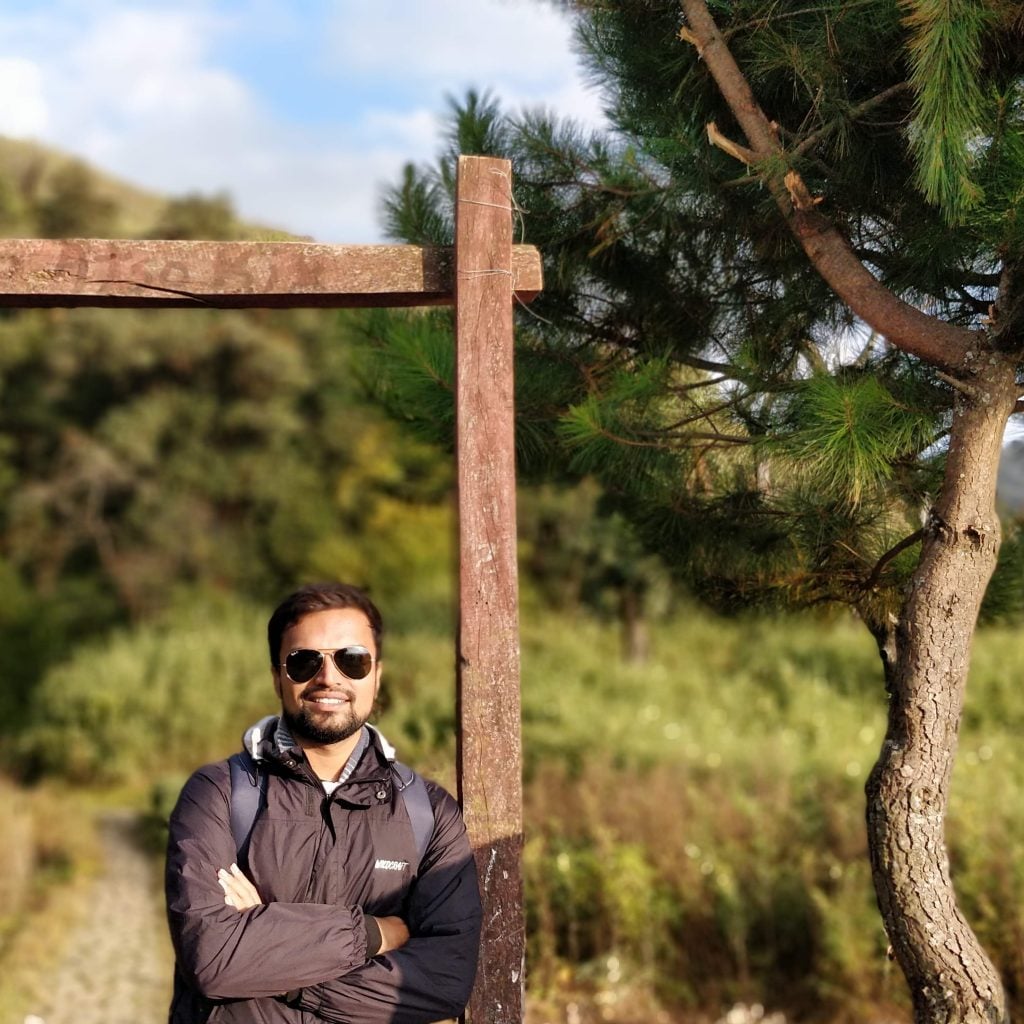
From Software Engineering to Forest Administration
Mr Sivachar joined Nagaland in 2016 and has since worked across challenging and diverse landscapes. Before taking charge as DFO Wokha, he served as Wildlife Warden of Kiphire Wildlife Division, covering six eastern districts of Nagaland.
His present posting has exposed him to an unusually wide range of forestry and wildlife-related responsibilities.
Wokha is home to the Doyang Reservoir, Nagaland’s largest water body, where wetland conservation intersects with the livelihoods and interests of local communities. The area is also one of the important roosting landscapes for Amur falcons, the migratory birds that travel thousands of kilometres every year.
Pangti, Sungro, Asha and Old Aree are among the villages associated with the birds’ seasonal roosting at Wokha. For a territorial DFO, this means working closely with the Wildlife Wing, local communities and other departments to manage a landscape where forests, wetlands, wildlife and human activity overlap.
Mr Sivachar describes Wokha as a place where a forester gets exposure to multiple areas of work.
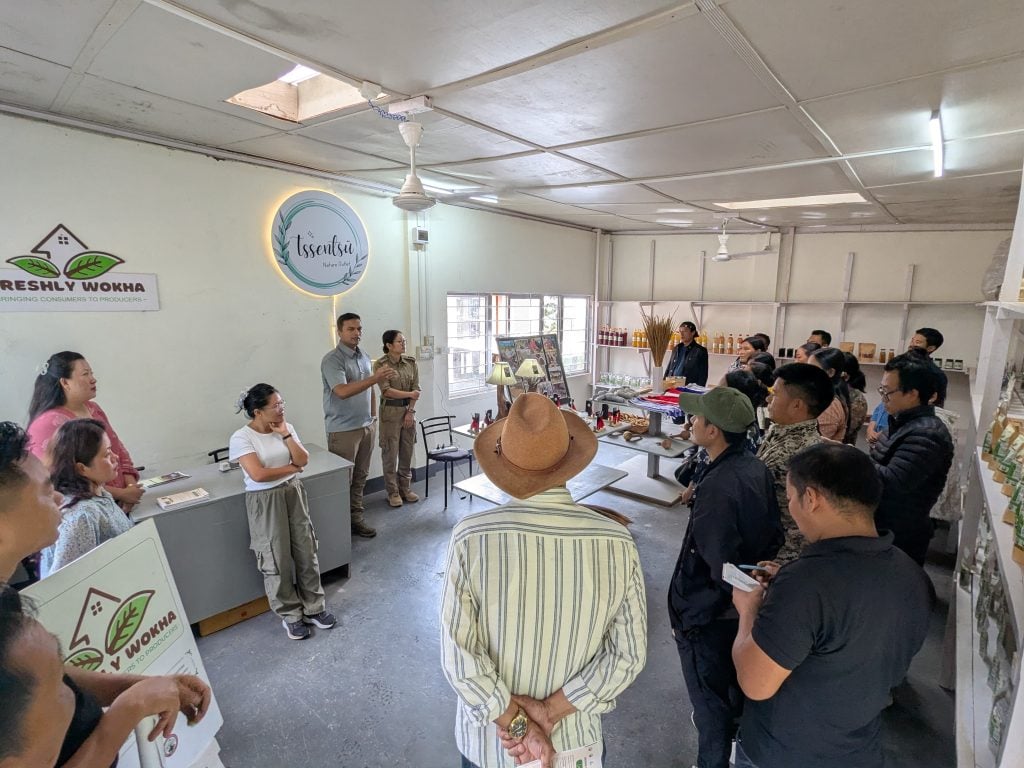
“In Wokha, pretty much as a forester, I feel I am getting a very wide variety of experience,” he shared in an exclusive conversation with Indian Masterminds.
Building a Case for Doyang Reservoir
One of the major conservation efforts associated with Wokha is the proposal to secure Ramsar recognition for the Doyang Reservoir wetland.
The process is significant not only because of the ecological value of the reservoir but also because of Nagaland’s distinctive land ownership structure. According to Mr Sivachar, around 88 per cent of the state’s land is owned by communities, tribes, individuals or clans.
This makes community participation essential to conservation planning.
The Doyang Reservoir meets four Ramsar criteria, including its biodiversity and its importance as part of the Central Asian Flyway. The presence of Amur falcons adds another important ecological dimension.
The forest team has also worked on detailed documentation of the biodiversity around the wetland, covering birds, mammals, butterflies and other fauna. The proposal was in its final stages, with community concurrence and documentation being completed before the final information could be uploaded for review by the Ramsar Secretariat.
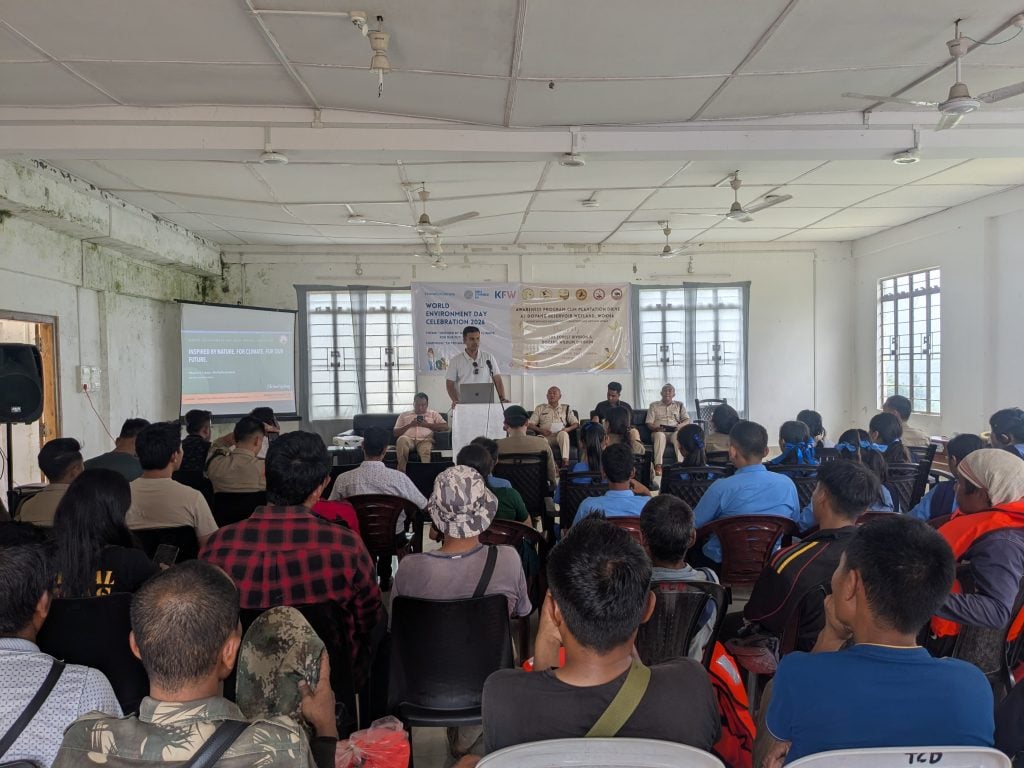
Mr Sivachar believes the recognition could bring greater benefits to communities that are already involved in conserving the landscape.
“On that basis we can get more benefits to the local communities because they are protecting and conserving these areas around the water body,” he says.
When Former Hunters Became Conservation Partners
IFS Sivachar’s earlier tenure in Kiphire produced another example of how conservation can work when local knowledge becomes part of the system.
Fakim Wildlife Sanctuary, a small 642-hectare protected area close to the Myanmar border, had an outdated boundary record based on chain and link traverse rather than GPS coordinates. Updating the boundary required coordination with the neighbouring villages, government departments and forest officials.
The process eventually led to the sanctuary’s boundary being digitised for the first time since its notification in 1984.
But the more striking intervention came through the local communities.
Facing a shortage of forest staff, Mr Sivachar and his team enlisted former hunters from Fakim, Thanamir and Vongtsuvong villages to form an anti-poaching squad. Their intimate knowledge of the forest made them effective patrol members. They began submitting reports and photographs through WhatsApp, creating a record of wildlife activity that had previously been difficult to maintain.
The Fakim conservation guardians received the Sanctuary Nature Foundation Wildlife Service Award in 2021.
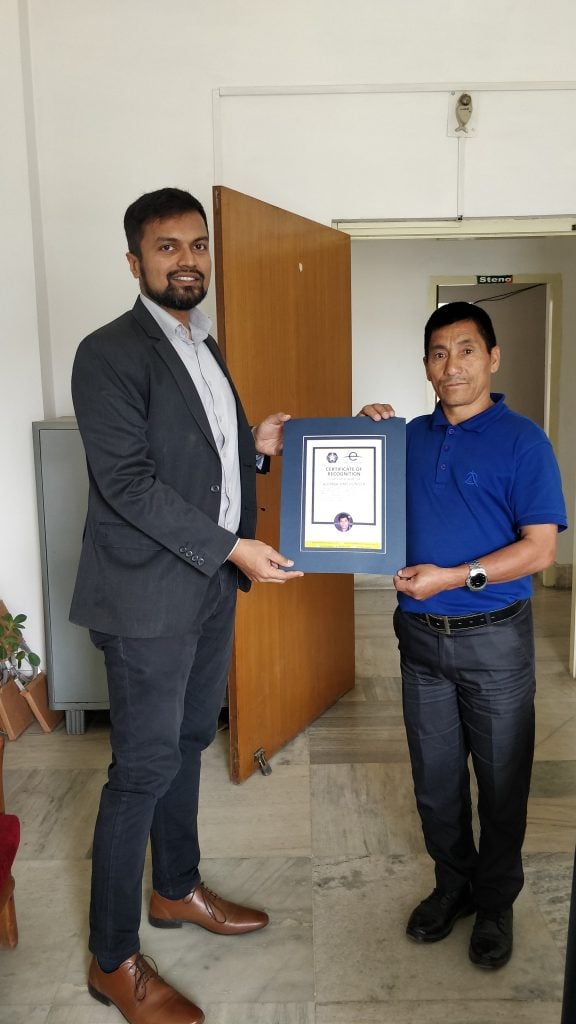
Bringing Technology Into Forest Protection
Mr Sivachar’s technology background has also influenced his approach to forest administration.
When he joined Nagaland in 2016, he describes the system as being similar to “running a startup”, with many processes still requiring institutionalisation.
“Technology is not at the forefront at present. But we are slowly trying to change it,” he says about technology-led wildlife monitoring.
A wildlife control room has been established in Wokha to handle wildlife-related grievances and distress calls. The longer-term plan includes using sensors along frequently used elephant routes so that alerts can reach communities when elephants are detected.
His computer science background has also encouraged him to introduce AI tools into office work. He has conducted sessions for colleagues and staff on using AI and tools such as ChatGPT for drafting communications, studying issues and reducing routine workload.
The objective, he explains, is not technology for its own sake, but faster and more efficient administration.
From Fixing Revenue Leakages to Greater Accountability
Forest administration under Mr Sivachar has also involved improving financial systems.
Wokha Forest Division recorded a 6.8-fold increase in revenue during the financial year 2023-24. According to him, the improvement came from streamlining processes, plugging leakages, coordinating with counterparts in Assam and working with local communities and businesses to improve transparency and accountability.
He also stresses the role of transparency and engagement with local communities and businesses.
“Transparency and accountability increased from our side, so they also started coming in and doing their business honestly,” he explains.
The increase, he says, is part of an ongoing process rather than a one-time achievement.
Making Birdwatching a People’s Movement
Another initiative that has grown substantially from a small local exercise is the Tokhü Emong Bird Count.
Named after the harvest festival of the Lotha community, the bird count coincides with the annual arrival of Amur falcons in Nagaland. What began in 2022 with just 20 observers across four districts grew to 112 observers across the state by 2025, with 344 bird species recorded through 484 checklists.
The initiative has also brought students and young people into birdwatching, helping them develop an interest in documenting the natural world around them.
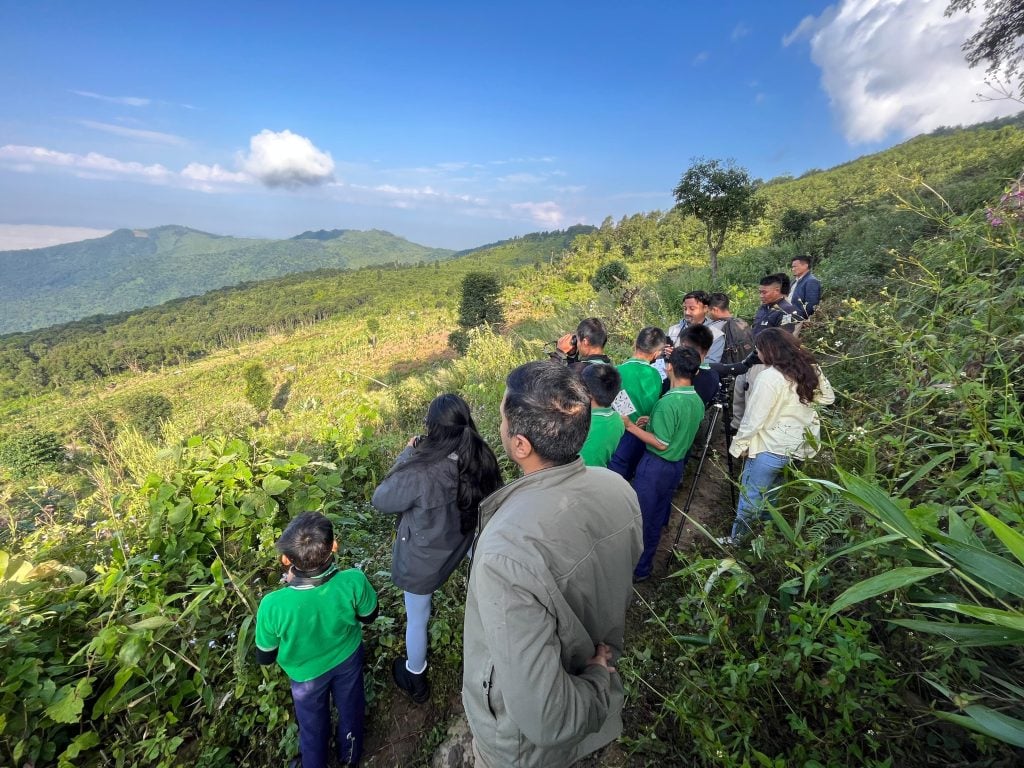
Mr Sivachar is quick to point out that the effort is not his alone. Forest officials, youth volunteers, NGOs and the Eco Warriors group have all contributed to its growth.
Creating the Next Generation of Eco Warriors
The Eco Warriors initiative perhaps best captures Mr Sivachar’s approach to conservation.
It began when a group of young graduates approached him after completing a training programme on plastic pollution management. Mr Sivachar saw an opportunity: with limited forest staff, these young people could be trained to become an extended support network for conservation awareness.
Eleven young volunteers were initially trained to conduct awareness programmes for students. Over time, the group grew to 27 members spread across Nagaland. It eventually registered as a society and began independently conducting training and supporting conservation-related programmes.
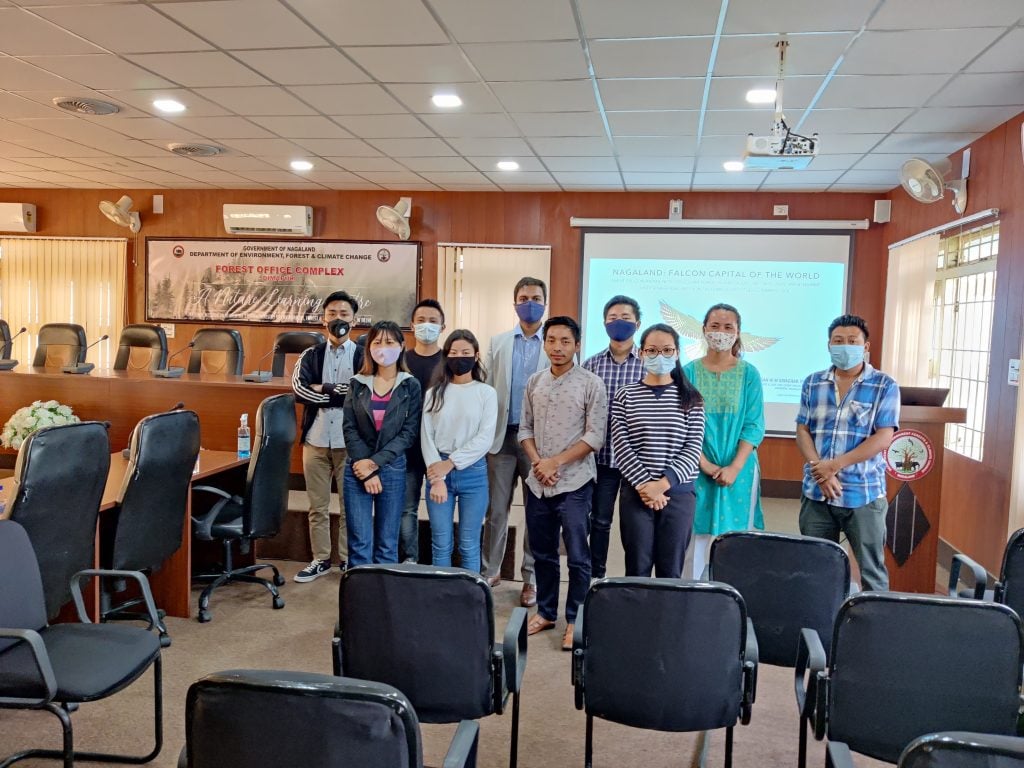
The result was more than an awareness network. Young graduates who were unsure about their direction found an avenue to contribute to environmental work while gaining practical experience.
“They have direction, and they have a sense of purpose, and they have a pride that they have become Eco Warriors,” IFS Sivachar says.
Leading Nagaland’s COVID-19 Homecoming Effort
Mr Sivachar’s administrative responsibilities extended well beyond forests and wildlife during the COVID-19 pandemic. In May 2020, he was appointed Nodal Officer for the North Zone under the Government of Nagaland’s Working Group on Inter-State Movement of Stranded Persons. The group was tasked with bringing home Nagaland residents stranded across the country during the nationwide lockdown.
His zone covered ten states and Union Territories — Jammu & Kashmir, Himachal Pradesh, Chandigarh, Haryana, Punjab, Delhi, Uttarakhand, Uttar Pradesh, Rajasthan and Madhya Pradesh. Working with state nodal officers, Indian Railways and district administrations, his team coordinated Shramik Special trains and special buses, exit passes and medical screening. They also made thousands of calls to stranded residents, many of them students, hospitality workers and daily-wage migrants, to plan their journeys home.
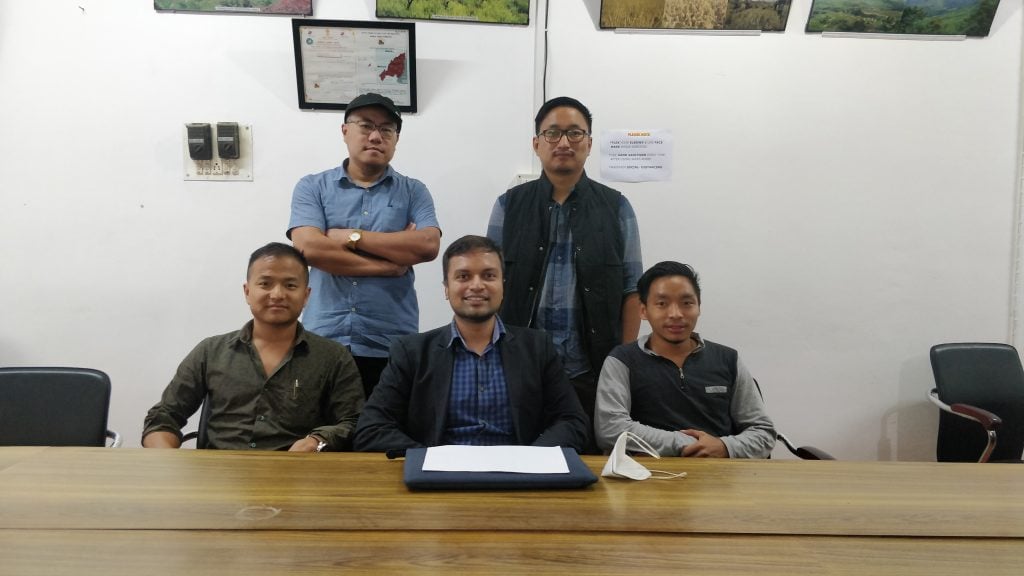
For some, the journey stretched over 2,500 kilometres. The exercise ran through the peak lockdown months of May and June 2020 and formed part of a larger state-wide operation that eventually brought more than 13,500 stranded persons back to Nagaland.
For Mr Sivachar, the assignment was far removed from wildlife corridors and forest boundaries. Yet it required many of the same skills that inform his work as a forest officer — coordinating multiple agencies, solving problems quickly and keeping track of complex operations involving people spread across different locations.
He also played a key role in documenting the operation. Mr Sivachar compiled and designed a detailed report on the Movement of Stranded Persons during the COVID War Room efforts in Nagaland, which was subsequently published by the Government of Nagaland. The report recorded the state-wise movement of returnees, challenges encountered during the operation and testimonials from people who were brought home.
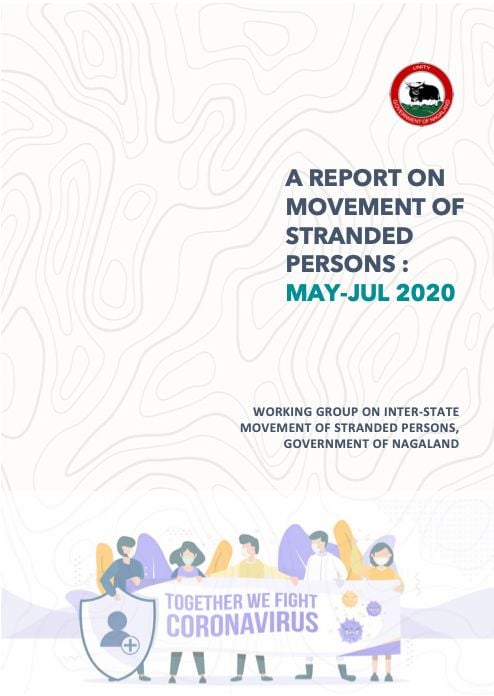
The report was formally released by the Principal Secretary (Home), Government of Nagaland, on 4 December 2020 in the presence of senior IAS officers of the state government.
Today, the report serves as the government’s formal record of the operation, documenting how Nagaland coordinated the movement of thousands of its citizens back home during one of the most difficult periods of the pandemic.
A Forest Officer Who Sees Conservation as a Shared Responsibility
IFS Suman Sivachar received the Governor’s Gold Medal, Nagaland, in 2025. Yet he credits the recognition to the officers, staff, communities and young volunteers who have worked alongside him.
His career in Nagaland has moved between wildlife protection, wetland conservation, community engagement, technology, forest administration and youth participation. The common thread is an effort to make conservation more participatory and systems-driven.
His journey from software engineering to forest administration also shows how skills from seemingly unrelated fields can find new relevance in public service.
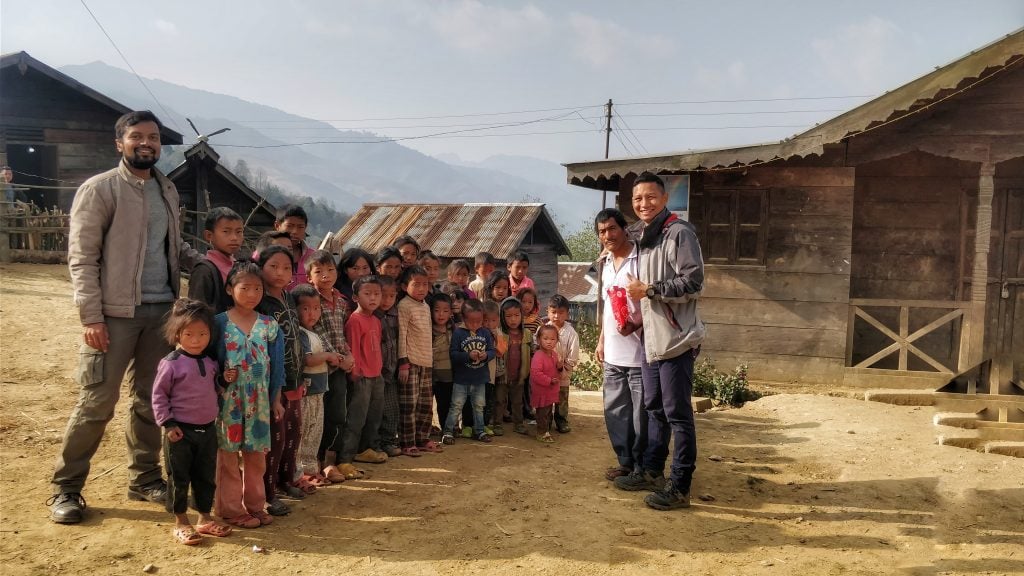
“When I had joined Nagaland in 2016, it was more like running a startup,” he says, recalling a period when systems and processes were still developing.
“My personal opinion is we have definitely come a very far way from when we started.”
For IFS Suman W M Sivachar, the work continues across forests, wetlands, wildlife corridors and communities. His experience in Nagaland demonstrates that modern forest management is not simply about protecting land and animals. It is also about building systems, listening to communities, using technology intelligently and creating people-led networks that can carry conservation forward.