India’s economic ascent over the next quarter century will be powered not only by solar panels and wind farms, but by oil tankers, gas pipelines and petrochemical complexes. Even as renewable energy expands at record speed, India’s oil demand, currently a little over five million barrels per day, is expected to climb steadily to 8 mb/day through the 2030s and early 2040s before stabilising as efficiency gains and electric mobility gather momentum. Gas demand is projected to grow faster. India aims to raise the share of natural gas in the energy mix from about 6–7% today to 15% by 2030.
India today is the world’s third-largest energy consumer, yet per-capita energy use is still far below global averages. With economic growth projected around 6–7% annually, India’s demand for transport fuels, petrochemicals, aviation fuel, and gas for industry will continue rising till at least 2045.
Transport The Driver
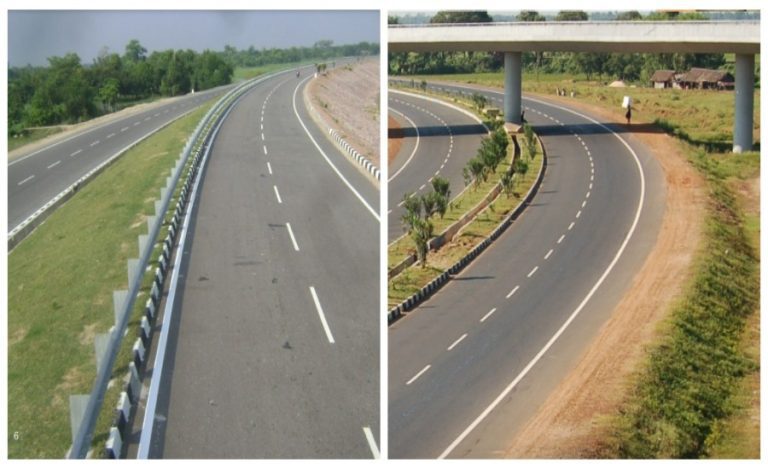
The biggest driver of demand will remain transport. Freight movement across India is expected to multiply as expressways, industrial corridors and logistics parks knit together a continental economy. Trucks, construction equipment, mining vehicles and shipping fleets will continue to depend on diesel for decades. Aviation fuel demand is rising even faster as air travel expands into smaller cities. Electric vehicles will transform urban mobility, but heavy transport and aviation will rely on hydrocarbons well into the 2040s.
Fertilisers & Plastics
The second major driver will be petrochemicals. Oil is not merely fuel; it is the feedstock for plastics, fertilisers, pharmaceuticals, textiles and electronics. As Indian incomes rise, consumption of consumer goods rises, and so does petrochemical demand. Integrated refinery-petrochemical complexes being built by companies like Reliance Industries are designed precisely for this future, turning crude into high-value chemical products rather than just fuels.
Cooking Gas
Household demand, particularly LPG, will continue to grow with urbanisation and clean-cooking expansion, though at a slower pace after the 2030s. These trends suggest India’s oil consumption could approach eight million barrels per day by around 2040, after which growth will flatten as electrification and efficiency take hold.
Natural gas will grow even faster. India aims to increase gas’s share in its energy mix from around seven percent to fifteen percent within this decade.
Rise of the Renewables
Yet oil’s share in the overall energy mix will decline only gradually, from roughly one-third today to perhaps one-quarter by mid-century. The reason is not falling demand, but the faster rise of renewables. Solar, wind and storage will dominate electricity generation, while hydrocarbons will remain indispensable for aviation, shipping, heavy industry and petrochemicals. India’s energy future will therefore be mixed rather than fossil-free.
The great challenge for India is not eliminating hydrocarbons overnight but managing their use wisely. Hydrocarbons will continue to power trucks, aircraft, fertiliser plants and petrochemical factories producing materials for modern life. India’s hydrocarbon projections reveal a country in transition—moving toward cleaner energy, yet grounded in the realities of development. Oil demand will rise because India is growing; its share will fall because India is innovating. Between these two truths lies India’s energy future: pragmatic, resilient and forward-looking.
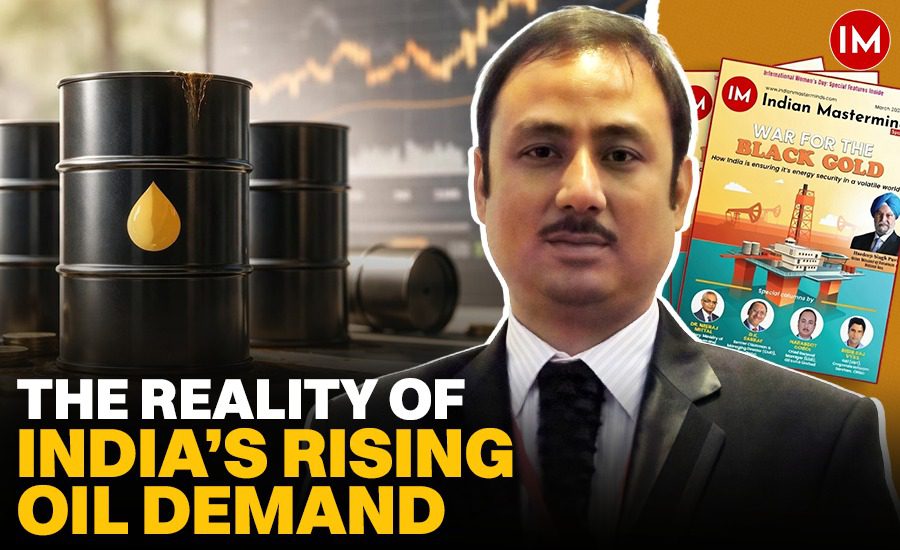
(Article is written by Nababrot Gogoi. He is Chief General Manager (E&D), Oil India Limited.)