In the dense forests and expansive grasslands of India, big cats like tigers and leopards have long captured the world’s attention. However, a new conservation initiative is making strides to change this narrative by bringing the often-overlooked small cats into the spotlight. The Small Cat Conservation Project, led by the Ministry of Environment, Forest and Climate Change (MoEFCC), is an ambitious effort to address the conservation needs of small wildcats across various landscapes in India.
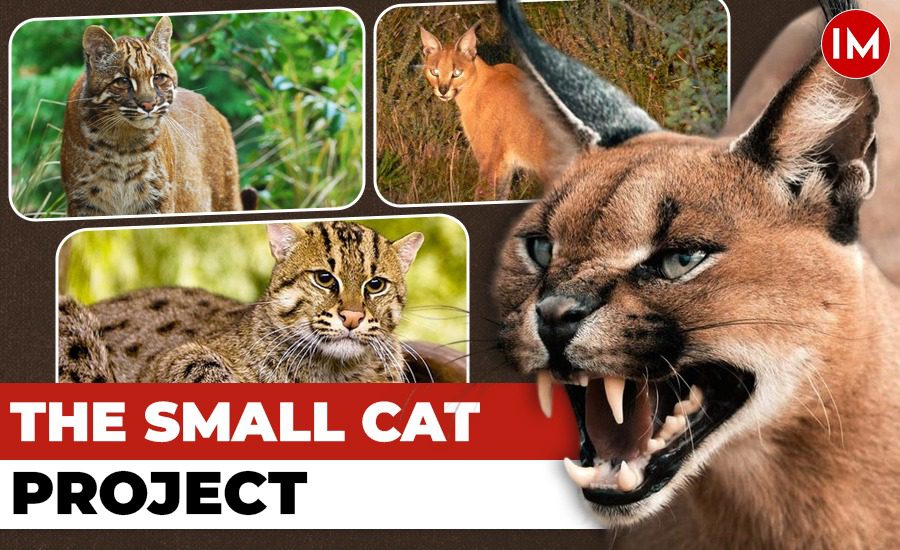
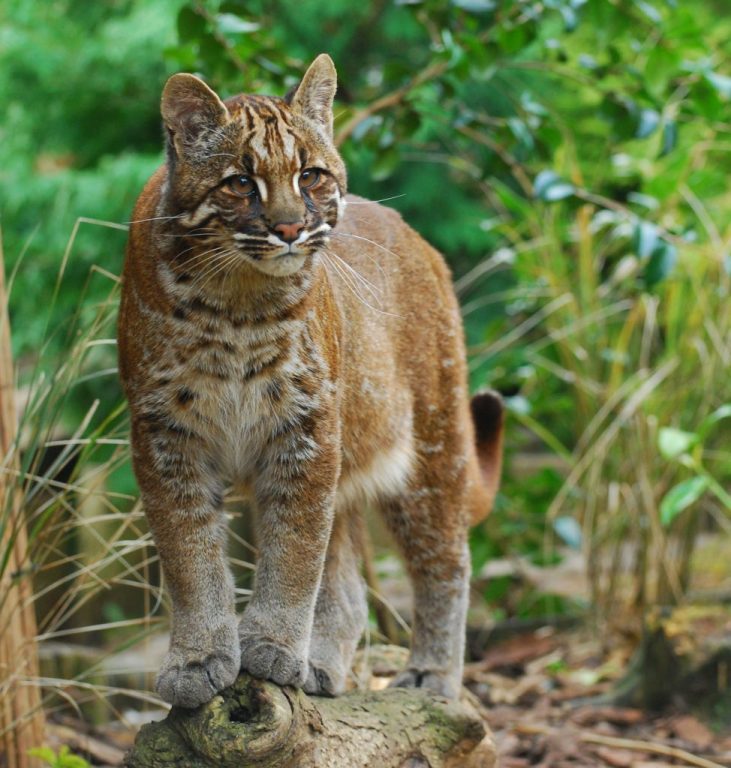
Small cats, despite their crucial role in the ecosystem, have not received the same level of attention and resources as their larger counterparts. These elusive creatures, including species like the fishing cat, caracal, and clouded leopard, are essential to maintaining ecological balance. They are often listed in the highest protection categories of the Wildlife Protection Act, yet their conservation has been overshadowed by the focus on big cats.
The Project’s Core Objectives
The primary goal of the Small Cat Conservation Project is to shift this focus and develop a comprehensive management plan that addresses the specific needs of these lesser-known species. “We often find ourselves concentrating heavily on big cats, but it’s equally important to focus on small cats, which face their own set of challenges,” Sunil Sharma, an Indian Forest Service officer of the 2012 batch and Joint Director of Wildlife at MoEFCC told Indian Masterminds. The project aims to fill the knowledge gaps that currently exist regarding small cats and to integrate their conservation into larger landscape management efforts.
This initiative is not just about gathering data; it’s about fostering community involvement and ensuring that local populations are active participants in conservation efforts. The project seeks to understand the threats faced by small cats, such as habitat loss, human-wildlife conflict, and illegal wildlife trade. It also aims to develop strategies to mitigate these threats through community engagement and sustainable development practices.
Focusing on Specific Landscapes and Species
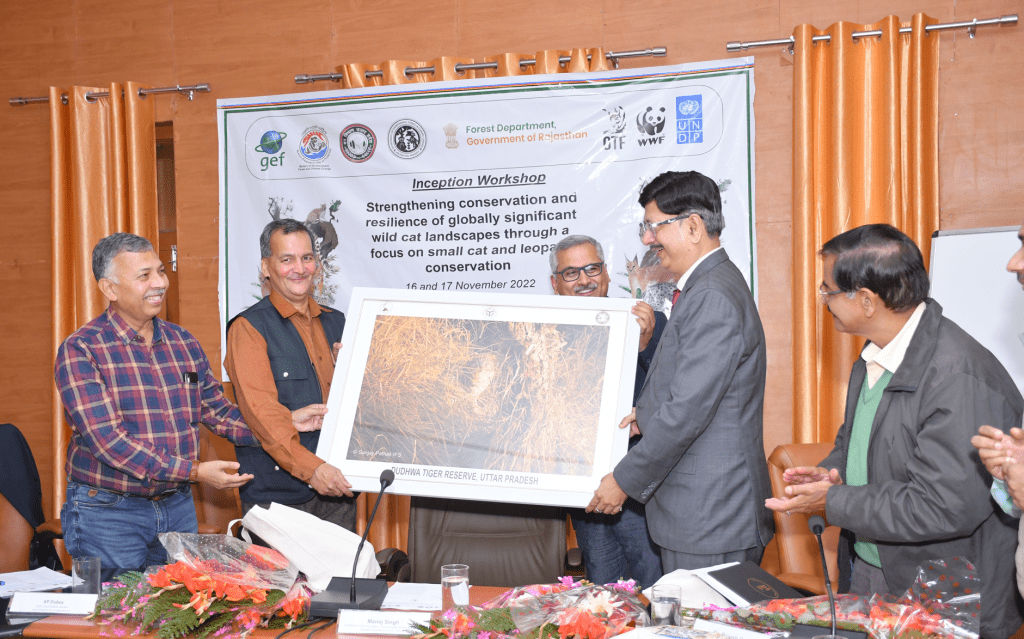
The project has identified three key landscapes for its initial phase: Dudhwa in northern India, Rajasthan, and Pakke in the Northeast. Each of these areas has been chosen for its unique ecological significance and the presence of particular small cat species.
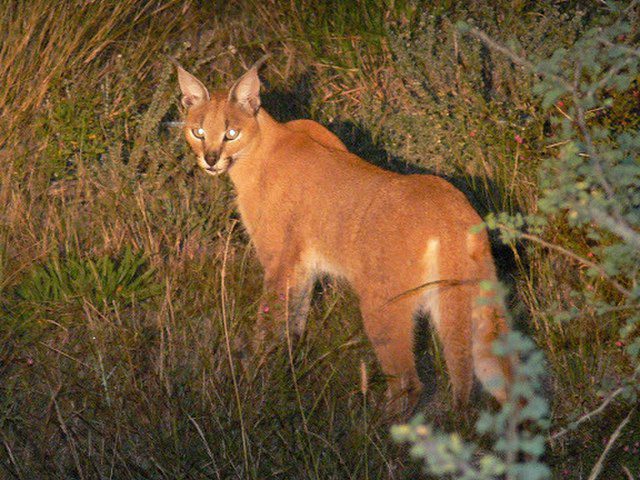
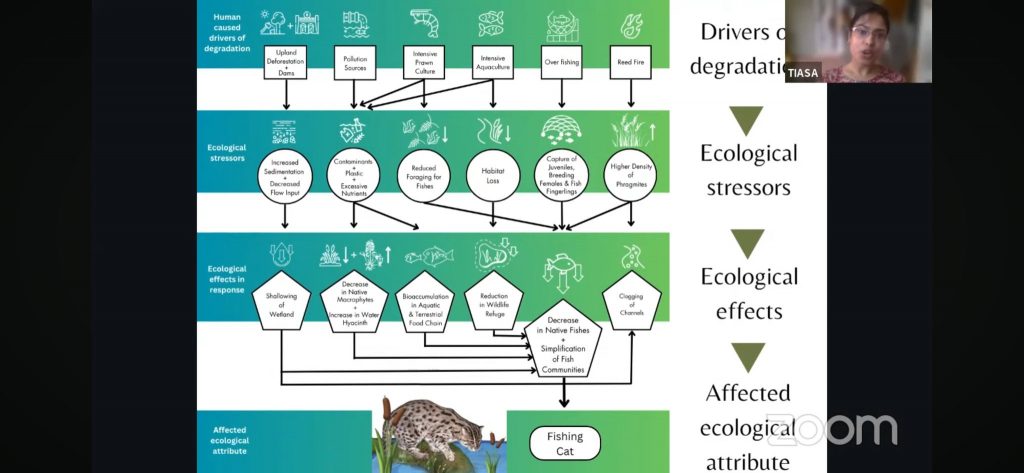
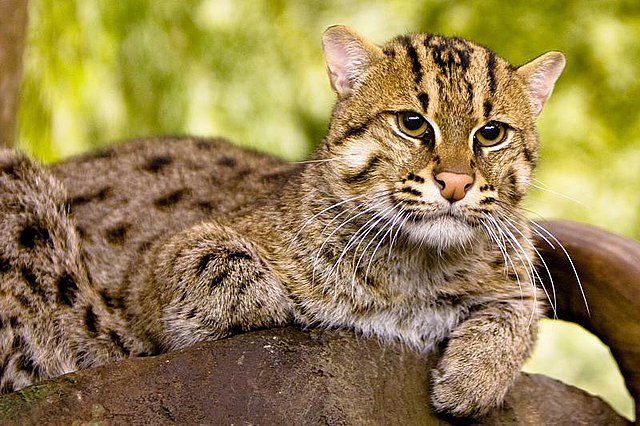
In the Dudhwa landscape, the focus is on the fishing cat, a wetland specialist that is increasingly threatened by habitat degradation. Rajasthan has been chosen for its population of caracals, a species that is not only elusive but also understudied in India. Finally, the Pakke landscape in the Northeast is home to the clouded leopard, a species that is as enigmatic as it is endangered.
“These landscapes are crucial for the survival of these species, and our efforts will help us develop site-specific recommendations that can be scaled up for broader conservation efforts,” explains Mr. Sharma. The project’s approach involves habitat assessments, threat evaluations, and the development of pilot programs that can be replicated in other regions.
Challenges in Conserving Small Cats
Conserving small cats presents unique challenges compared to larger felines. One of the main difficulties is the lack of comprehensive data on small cat populations and their habitats. “For big cats, we have a wealth of data on their habitats, population trends, and threats. But for small cats, this information is much more limited,” says Mr. Sharma.
Another challenge is the integration of small-cat conservation into larger landscape management plans. Many of the areas where small cats are found are also home to larger predators like tigers and leopards. As a result, conservation efforts have traditionally focused on these big cats, leaving small cats at a disadvantage. The Small Cat Conservation Project seeks to change this by ensuring that small cats are given equal consideration in conservation planning.
Leveraging Technology and Community Participation
The project is also exploring the use of technology to monitor small cat populations and assess the effectiveness of conservation efforts. Camera traps, commonly used in tiger monitoring, are being deployed in selected landscapes to gather data on small cats. Additionally, the project is considering the use of citizen science and local knowledge to complement scientific research.
“Local communities are a vital part of our conservation model,” emphasizes Mr. Sharma. “In India, we cannot think of protecting species without involving the community. Their traditional knowledge, combined with modern scientific techniques, can provide us with a more accurate picture of small cat populations and their habitats.”
The involvement of communities is not just limited to data collection. The project also aims to engage them in conservation activities, such as habitat restoration and anti-poaching efforts. By making conservation a community-driven effort, the project hopes to ensure the long-term survival of small cats in these landscapes.
The Road to Success
While the Small Cat Conservation Project is still in its early stages, it has already laid the groundwork for a more inclusive approach to wildlife conservation in India. The project has started by developing knowledge-based platforms, such as a portal for sharing information on small cats and creating master plans for managing these species within their respective landscapes.
Looking ahead, the project aims to mobilize resources and implement site-specific conservation actions. This includes the possibility of expanding the project to include more small cat species and landscapes, depending on the success of the initial phase.
“This is a long-term effort, and we are just beginning to see the results,” says the officer. “But with the right strategies and community involvement, we are confident that we can make a significant impact on the conservation of small cats in India.”
The Small Cat Conservation Project is a crucial step towards ensuring that these often-overlooked species receive the attention and protection they deserve.