No other tourism campaign best exemplifies the theme of this year’s World Tourism Day – ‘Rethinking Tourism’ – than our very own ‘Incredible India’ campaign that catapulted India within a short time of its launch into the global tourism market and made the country one of the most sought-after destinations for international tourists. The incredible thing is, this happened at a time when, worldwide, the tourism industry was going through one its worst slumps.
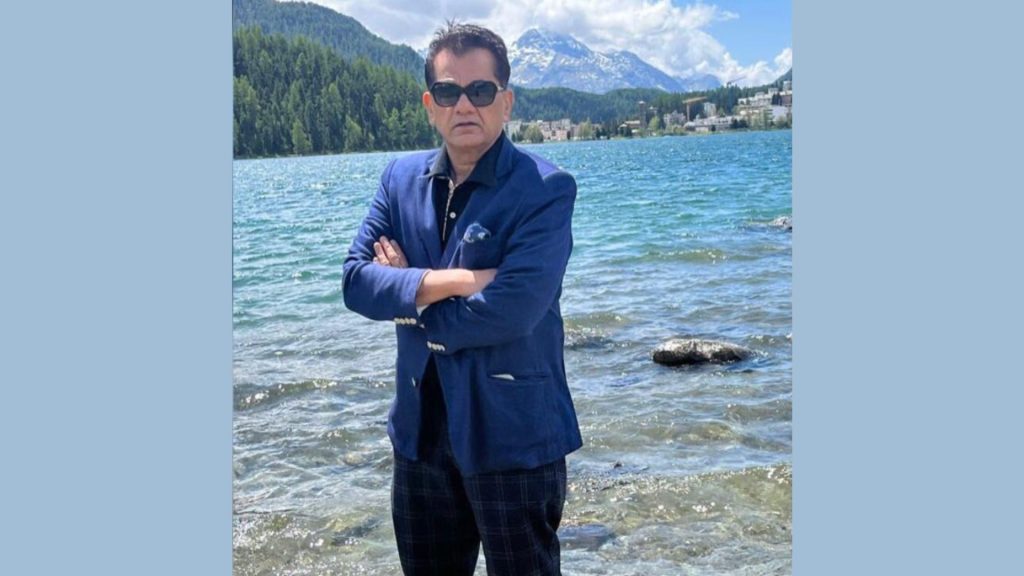
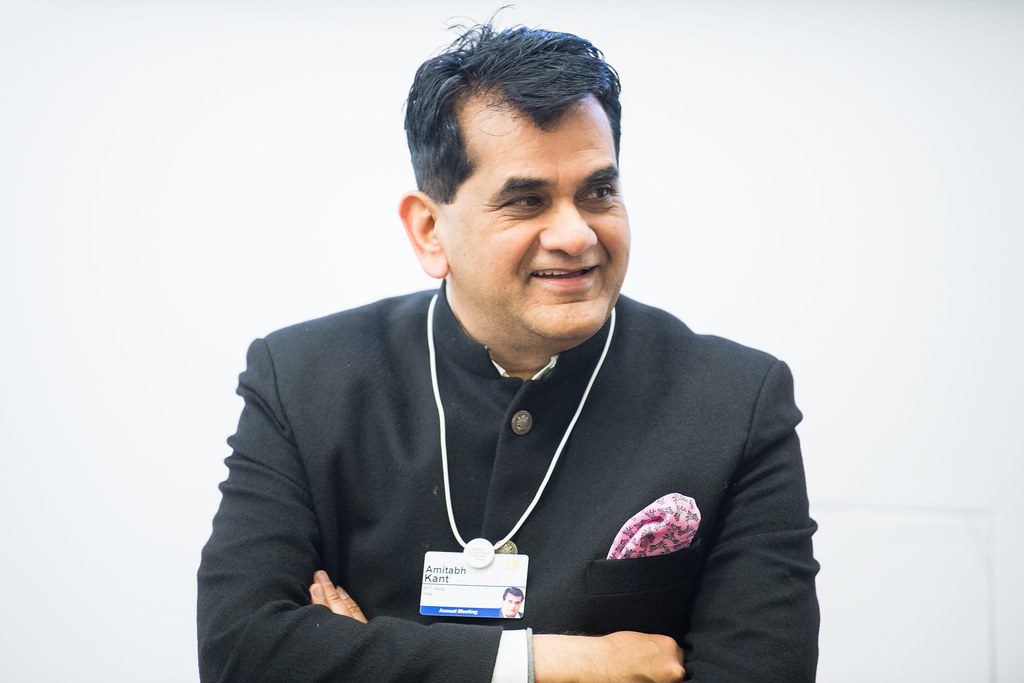
And, the man who made this happen with his ‘Midas touch’ is 1980-batch retired IAS officer of Kerala cadre, Mr. Amitabh Kant. Mr. Kant is former CEO of NITI Aayog and currently he is India’s G20 Sherpa.
On World Tourism Day, today, Indian Masterminds got in touch with Mr. Amitabh Kant in Yogyakarta, Indonesia, where he is attending G-20 meetings, for an interaction, and he shared about his baby – the Incredible India campaign – and the way forward, especially in the context of the changed dynamics after the pandemic.
MAN WITH THE MIDAS TOUCH
Mr. Amitabh Kant is the architect of many successful tourism campaigns – whatever he had launched achieved incredible success. Besides the ‘Incredible India’ campaign, he was the man who developed Kerala as India’s leading tourism destination with his ‘God’s Own Country’ campaign. He also conceptualised and executed the ‘Atithi Devo Bhavah’ campaign to train taxi drivers, tourist guides and immigration officials. He was also a key driver of ‘Make in India’, ‘Startup India’ which positioned India as a leading manufacturing tourism destination.
Talking about the ‘God’s Own Country’ campaign, he said that it happened on a punishment posting in Kerala while he was cooling his heels.
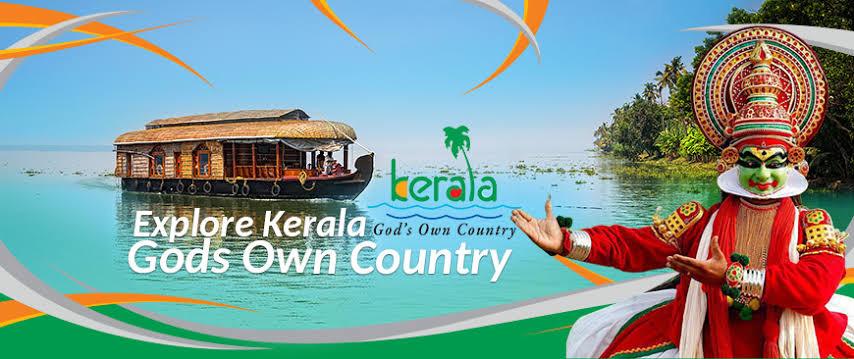
“I was out of posting for a stretch of seven months when I was posted to Kerala as the tourism secretary, a punishment posting of sorts because Kerala back then was nowhere the tourist haven it is today. It just had Kovalam beach to boast of. We revived the traditional martial arts, dance forms, the cuisine, Ayurveda, got back carpenters from the Gulf countries to reintroduce house boats, and opened up the backwaters. We promoted Kerala for its pristine best. And within months, we took Kerala amongst the most popular destinations in the world,” Mr. Kant said.
INCREDIBLE INDIA CAMPAIGN
The Kerala campaign didn’t go unnoticed in the higher echelons of power. Mr. Kant was soon brought to Delhi by the then Prime Minister Atal Bihari Vajpayee as Joint Secretary in the Central government’s Tourism Department.
However, soon after he joined, a crisis of massive magnitude gripped global tourism in 2001-02 – the 9/11 attacks in US, war in Afghanistan, and attack on Indian Parliament, etc. Australia, New Zealand, Thailand Malaysia, Indonesia had all stopped their tourism campaigns. The world tourism was not moving at all. Countries issued travel advisories against visiting India and the hotels had only 10-15 per cent occupancy. Indian tour operators refused to sale packages as they feared India as a destination will not sell as there was no consumer demand. And, at the peak of that crisis, the ‘Incredible India’ campaign was launched.
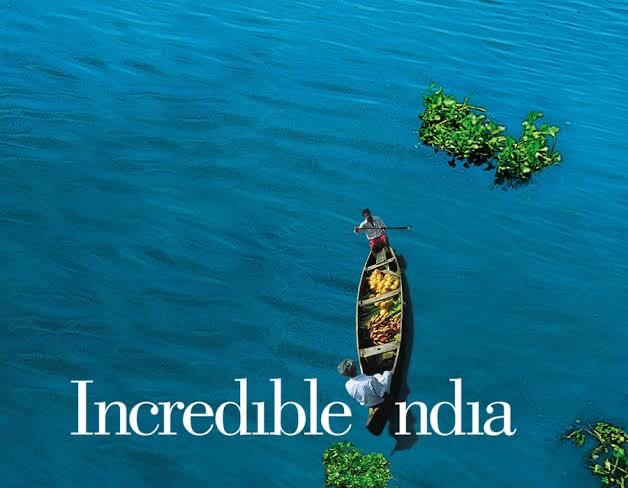
“For India, that was a time for reflection, and action. The biggest challenge was to develop one powerful idea that would unify India as an aspirational destination. That idea was christened ‘Incredible India’. The campaign was launched at the peak of this crisis, to bring back consumer demand, and generate momentum and growth in the tourism industry. A strong image increased consumer confidence and enhanced the desirability of India’s tourism products. It catalysed worldwide brand recognition and a strong brand equity,” Mr. Kant said.
WENT BACK TO ROOTS
The irony is, India had to go back to her roots to build herself up as as a great tourist destination, to bring out the pure magic of her rich traditions.
“We followed the same formula that we followed for Kerala; got back to the roots of India. We talked about culture, cuisine, Yoga, art, and a lot more. This authentic experience attracts an international clientele and operates at full occupancy,” Mr. Kant said.
PRIVATE SECTOR IMPORTANT
He further highlighted that the Kerala campaign became a success because of the active role of the private sector in facilitating the government’s vision and emphasised that for the further growth of the country and its soft powers as well, the private sectors will have to play a key role.
“Indian entrepreneurs are experimenting, driven by dynamism and influenced by innovation and market opportunities. These experiences represent a new style of Indian elegance, luxury and spirituality. They provide a sense of timelessness, an opportunity to discover India and its people. In this shift towards experiential tourism lies the makings of Indian tourism,” he said.
Giving the example of Kerala, he said that until the mid-1990s, no one had heard of Kerala as a tourism destination. “But Kerala was ready, it had developed products like the backwaters and Ayurveda; its entrepreneurs had created experiential boutique resorts; proper infrastructure was in place. Similarly, other states will emerge as tourism destinations if they enhance the quality of experience, improve infrastructure and create sub-brands.”
TARGET UPMARKET CLIENTELE
Saying he has never believed in the numbers game, Mr. Kant stressed that India should focus not on the masses, but on foreign tourists spending more time and money here.
“By targeting the upmarket clientele, India’s net value realisation will go up. Markets are deferential and responsive to the views of upscale tourists; the mass market inevitably follows. This has a positive impact on the destination itself: an inflow of upscale tourists accelerates investment and attracts talent.”
INCREDIBLE INDIA HAS TO BE CONSTANTLY REINVENTED
On economic downturns impacting tourism, he said that they are only temporary, as they redistribute it geographically, alter the product, and make travellers creative. Hence, the present economic crisis also presents an opportunity.
But, at the same time, he cautioned: “There is a need to reinvigorate India’s positioning and branding as an attractive destination. The Incredible India brand has to be constantly re-invented. This necessitates an effective private-public partnership. India needs an institutional restructuring with a tourism board like that of Singapore, Malaysia or Thailand, where hotels, tour operators and the government are all stakeholders. India also needs to unleash a new campaign in the global market every year. This calls for creativity, brilliant execution and constant innovation to ensure India stays incredible.”