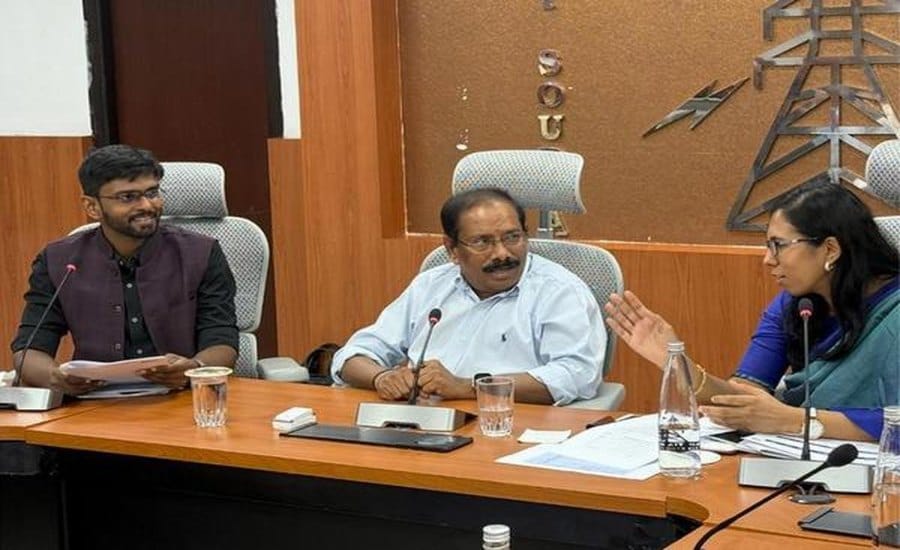
Vijayawada: Andhra Pradesh Special Chief Secretary (Energy) K. Vijayanand has called for a nationwide movement to promote energy efficiency, water conservation and sustainable development. He urged people to adopt responsible resource-use practices in their daily lives and contribute to environmental protection.
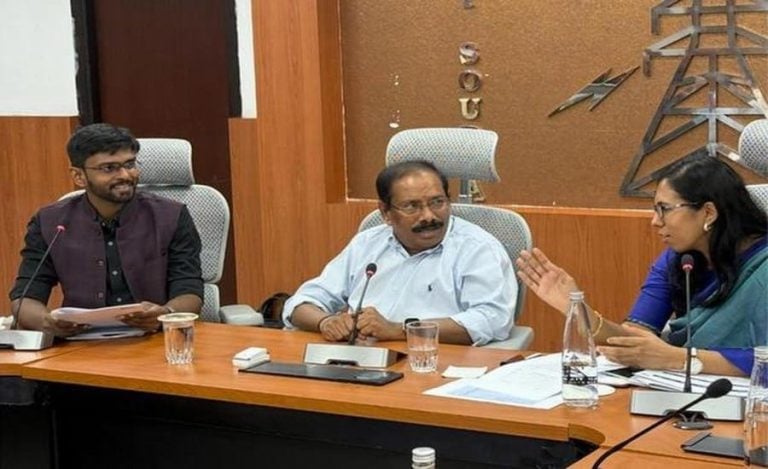
During an online interaction with Energy Efficiency Services Limited (EESL) CEO Akhilesh Kumar Dixit, Vijayanand reaffirmed the state’s commitment to environmental stewardship and the protection of natural resources. He emphasised that large-scale public participation is essential to strengthen conservation efforts and support a more sustainable future.
The appeal also highlighted the importance of renewable energy adoption and collective responsibility in addressing climate change and related environmental challenges.
Energy Conservation Begins with Everyday Choices
Energy efficiency is an important part of reducing unnecessary electricity consumption. Vijayanand’s appeal encourages people to treat energy conservation as a regular habit rather than an occasional activity.
Households, offices and businesses can contribute by switching off unused lights and appliances, choosing energy-efficient equipment and avoiding unnecessary power consumption. When adopted widely, these practices can help reduce wastage and encourage more responsible use of electricity.
Public awareness also plays a key role in making conservation efforts effective. Consistent everyday action can complement government and institutional initiatives to promote energy efficiency.
Read Also: Andhra Pradesh Chief Secretary Orders Arrests for Drinking Water Theft as Drought Hits 388 Mandals
Water Conservation Needs Public Participation
Vijayanand also stressed the need to conserve water and protect natural resources. Water supports households, agriculture, industries and public services, making its responsible use essential for long-term sustainability.
People can help reduce water wastage by repairing leaking taps, avoiding unnecessary use and reusing water where appropriate. Rainwater harvesting and community-level awareness can further encourage responsible water management.
The call highlights that conservation is not solely the responsibility of government departments. Individuals, communities and organisations all have a role in protecting resources for future needs.
Renewable Energy for Sustainable Development
Renewable energy adoption was another key focus of the interaction. Clean energy sources can support the transition towards a more sustainable energy system, while energy efficiency can help ensure that available power is used effectively.
Vijayanand’s message brings together three connected priorities: reducing unnecessary energy consumption, conserving water and encouraging renewable energy. These efforts can support environmental protection and strengthen awareness of sustainable resource use.
The interaction with EESL CEO Akhilesh Kumar Dixit also underlines the importance of cooperation between government officials and energy-sector institutions in advancing conservation goals.
Climate Change Strengthens the Need for Conservation
The appeal comes amid concerns about climate change and challenges such as a potential super El Niño. El Niño is a climate pattern involving changes in sea-surface temperatures in the equatorial Pacific Ocean. It can influence weather patterns across different parts of the world, although its effects vary by region.
Such climate-related uncertainties reinforce the importance of using natural resources carefully. Energy and water conservation cannot prevent every climate-related impact, but responsible consumption can help reduce wastage and support broader sustainability efforts.
Making Conservation a Daily Responsibility
Vijayanand’s call seeks to build a culture in which energy efficiency and water conservation become part of everyday behaviour. Simple actions, when adopted by large numbers of people, can strengthen public participation in environmental protection.
The appeal does not specify a new scheme, funding allocation or implementation timeline. Its central message is the need for collective action to protect natural resources, encourage renewable energy adoption and promote sustainable development.
Making conservation a daily habit can help connect individual responsibility with wider environmental goals and support a more sustainable future for Andhra Pradesh and the country.
Read Also: Coal India Signs Exploration Licence Deed for 209 Sq Km Rare Earth Block in Andhra Pradesh