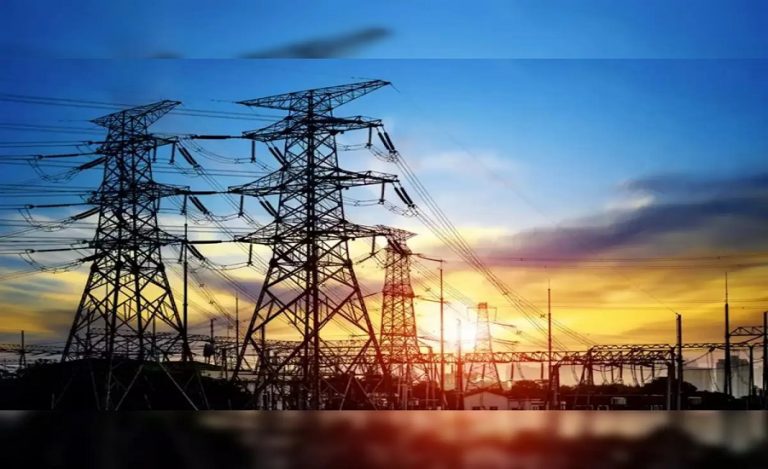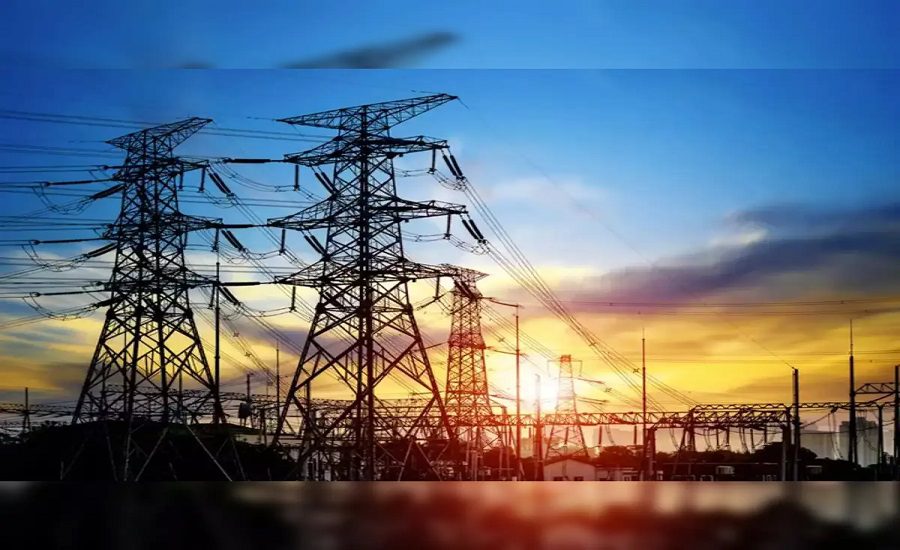
Patna: The Bihar Energy Department has prepared a ₹12,000 crore proposal to upgrade the state’s electricity distribution network by replacing ageing wires, poles and transformers. The plan aims to address low-voltage complaints, reduce infrastructure-related disruptions and improve the reliability of electricity supply across urban and rural areas.
The proposal is expected to go before the state Cabinet for approval. According to a report published by Hindustan, the department plans to raise funds through bank loans to carry out the proposed work. The project will focus on deteriorating distribution infrastructure that has struggled to keep pace with rising electricity demand.
Chief Minister Directs Preparation of Detailed Plan
Following a review of the power sector, Chief Minister Samrat Choudhary directed Energy Minister Shailesh Kumar, also known as Bulo Mandal, to ask officials to prepare a detailed action plan for strengthening the electricity network.
The Energy Department has since prepared the proposal. However, the government must secure Cabinet approval before implementation can move forward. The final timeline and financing arrangements will depend on the approval process and subsequent decisions.
The proposed investment seeks to address recurring problems such as damaged wires, falling poles and transformers burning out. These issues can affect supply reliability and create safety risks for households and businesses.
Read also: Small Businesses, Big Impact: Bihar Records 54 Lakh MSMEs and 2 Crore Jobs
₹8,465 Crore Proposed for Wires and Poles
The plan covers three major components of Bihar’s electricity distribution infrastructure, with the largest proposed allocation going towards poles and cable wires.
The proposed expenditure includes:
- ₹8,465 crore: Poles and cable wires covering approximately 1.18 lakh kilometres.
- ₹2,262 crore: Replacement of wires spread across 33,698 kilometres where bamboo structures currently support the network.
- ₹370 crore: Replacement of 12,000 transformers.
The proposed work aims to replace ageing infrastructure and strengthen the network’s ability to handle growing electricity demand. The department also plans to replace lower-capacity wires with higher-capacity cables and select transformers according to the electricity requirements of the areas they serve.
These upgrades could help reduce pressure on overloaded equipment and improve the performance of the distribution network.
North and South Bihar to Receive Separate Allocations
The proposed investment will be channelled through Bihar’s two electricity distribution companies, which serve different parts of the state.
The North Bihar Power Distribution Company is expected to spend approximately ₹6,066 crore across 21 districts. The South Bihar Power Distribution Company is expected to receive around ₹5,031 crore for work across 17 districts.
Together, the two allocations amount to ₹11,097 crore. The report does not explain how the remaining amount within the overall ₹12,000 crore proposal will be distributed.
The planned regional allocation reflects the scale of the proposed work across the state’s distribution network. The final spending pattern may become clearer after the government approves the proposal and finalises the implementation details.
Rising Electricity Demand Puts Pressure on Existing Infrastructure
Bihar’s growing number of electricity connections has increased pressure on its existing distribution system. According to the report, the number of electricity consumers has more than doubled since 2015-16.
Higher household consumption has also contributed to the growing load on local networks. Appliances such as air conditioners and coolers, which are increasingly being used in rural households, add to electricity demand, according to energy expert S. K. Singh.
Singh emphasised the need to replace deteriorating wires, install transformers with suitable capacities and expand the number of substations and grids to meet future requirements.
The proposed upgrade addresses these concerns by focusing on cable capacity, transformer replacement and the condition of existing poles and wires. However, the network’s long-term performance will also depend on regular maintenance and the timely identification of areas facing heavy demand.
How the Plan Could Benefit Electricity Consumers
If the Cabinet approves the proposal and the department implements it effectively, the upgrade could improve everyday electricity services for around 2.25 crore consumers.
Higher-capacity cables and appropriately rated transformers could help reduce low-voltage problems, particularly in areas where existing infrastructure struggles to meet demand. Replacing damaged wires and overloaded equipment could also reduce some supply interruptions linked to distribution failures.
The replacement of deteriorating poles and wires could improve public safety by addressing infrastructure-related electrical hazards. Modernising the network may also help reduce electricity losses, although the actual gains will depend on the quality of the work and the condition of the wider system.
For households, shops, farms and small businesses, a more dependable electricity network could support daily activities and reduce the disruption caused by local infrastructure failures.
The proposed investment does not guarantee these improvements on its own. The benefits will depend on Cabinet approval, financing, timely execution, appropriate equipment selection and continued maintenance after the work is completed.
Cabinet Approval Is the Next Step
The Bihar Energy Department’s ₹12,000 crore proposal represents a planned investment in the state’s electricity distribution infrastructure as consumer numbers and demand continue to rise.
The proposal is still awaiting Cabinet approval, and the department has yet to finalise the implementation schedule and financing arrangements. The next steps will determine how quickly the replacement work can begin and how the funds will be distributed across the state.
For Bihar’s electricity consumers, the key objective is to build a stronger distribution network that can handle rising demand, reduce avoidable disruptions and deliver a more reliable power supply. The effectiveness of the proposed plan will ultimately depend on how well the government translates the investment into improvements on the ground.
Read also: Bihar Promotes Pearl Farming: 89 Farmers Receive Training, 60% Subsidy on Units