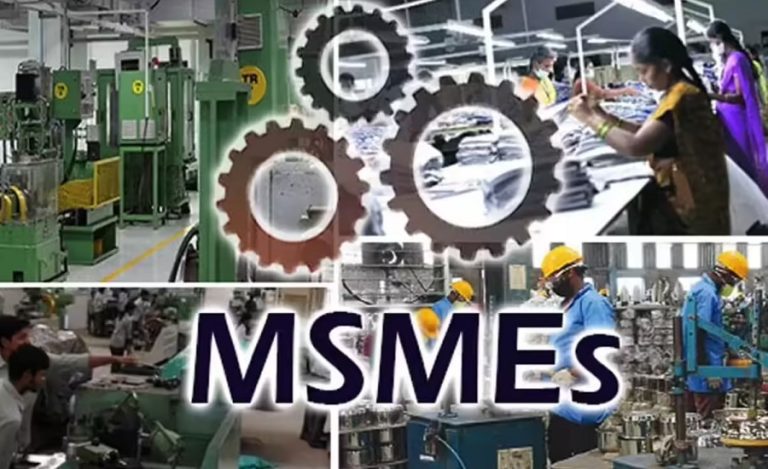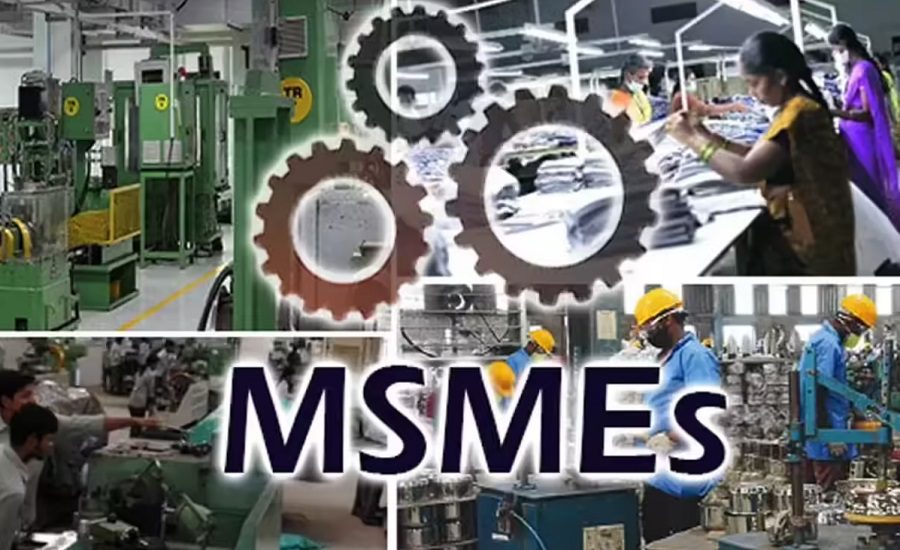
Patna: Bihar’s micro, small and medium enterprises (MSMEs) are playing an increasingly important role in the state’s economy, supporting employment, entrepreneurship and local production. According to the latest figures shared by the state’s Industries Department, 54.19 lakh MSME enterprises have registered on the Udyam Assist Portal, while two crore jobs have been recorded on the Udyam portal.
Women’s participation is another notable feature of Bihar’s MSME sector. Around 45% of registered enterprises are owned by women, highlighting their growing role in business and economic activity. The state is also working to expand manufacturing, strengthen exports and create more employment opportunities through entrepreneurship-focused schemes.
Bihar Accounts for 5.6% of India’s MSMEs
Bihar accounts for approximately 5.6% of the country’s total MSMEs. The sector contributes around 18% to the state’s manufacturing output, making it an important part of Bihar’s industrial development.
MSMEs include small manufacturing units, service providers, local businesses and emerging enterprises. They help people establish businesses with comparatively modest investments while creating work opportunities within their communities.
Despite this presence, Bihar’s share in India’s overall exports remains around 0.5%. The state government is therefore focusing on improving the market reach of local products and encouraging businesses to expand beyond regional markets.
Under the ‘Make in Bihar’ initiative, the government aims to strengthen local manufacturing and create better opportunities for enterprises to sell their products in wider domestic and international markets.
Read also: A New Way to Give Back: Bihar to Expand “Danveer” Asset Donation Drive
Women Own 45% of Registered Enterprises
Women’s ownership of 45% of registered MSMEs is a significant indicator of their participation in Bihar’s entrepreneurial sector.
Greater access to business support, finance and training can help women establish enterprises, expand existing operations and generate livelihoods. Women-led businesses can also contribute to household incomes and create employment within local communities.
The state government is supporting different groups of entrepreneurs through the Chief Minister’s Entrepreneur Scheme, which aims to help eligible beneficiaries establish and develop businesses.
According to the information provided by the Industries Department, the scheme has benefited approximately 14,000 entrepreneurs from Scheduled Caste and Scheduled Tribe communities, 10,000 from the Extremely Backward Classes, 9,500 women entrepreneurs, 9,000 young entrepreneurs and 2,500 entrepreneurs from minority communities.
These figures reflect the scheme’s reach across different sections of society. By supporting people from varied social and economic backgrounds, the programme seeks to broaden access to entrepreneurship and encourage more people to establish independent sources of income.
₹96 Crore Distributed to 4,800 Beneficiaries
Industries Minister Shreyasi Singh said Bihar’s population could become one of its greatest economic strengths if the state creates sufficient opportunities for people to work and build businesses.
She said the MSME policy sets a target of generating more than one crore jobs in the state. The government also aims to help products made in villages reach national and international markets instead of remaining limited to local buyers.
The minister added that ₹96 crore was distributed among 4,800 beneficiaries during the first phase of the current financial year.
Financial assistance can help entrepreneurs meet initial business expenses, purchase equipment and begin production. For small enterprises, such support can reduce some of the barriers involved in starting a business.
However, sustained growth will also depend on access to markets, reliable infrastructure, business skills and the ability to compete with products from other regions.
MSMEs Could Help Strengthen Rural Economies
Small factories, startups and local enterprises can create employment closer to where people live. This can help rural communities develop new income sources and reduce the need for workers to migrate elsewhere in search of jobs.
Bihar’s traditional products and locally manufactured goods could also gain wider recognition if businesses receive the support needed to improve production quality, packaging, branding and distribution.
The government’s focus on ‘Make in Bihar’ seeks to connect local production with larger markets. Better market access could help businesses increase sales, expand their operations and employ more workers.
The state’s relatively low share of national exports also points to an opportunity for further growth. Helping MSMEs meet quality standards, explore new markets and build stronger supply chains could improve their contribution to Bihar’s economy.
Turning Registration into Sustainable Employment
The registration of 54.19 lakh MSMEs and the recording of two crore jobs indicate the scale of Bihar’s small-business sector. Women’s ownership and support for entrepreneurs from different communities are also important parts of this economic picture.
At the same time, registrations and recorded employment figures do not, by themselves, establish how many enterprises remain active or how many jobs are currently sustained. Continued monitoring of business activity, employment and enterprise growth will help assess the sector’s long-term impact.
Bihar’s next challenge is to turn its large entrepreneurial base into stronger businesses, stable livelihoods and higher production. If financial support, infrastructure and market access improve together, MSMEs could play a greater role in expanding the state’s industrial economy and creating opportunities for its growing workforce.
Read also: REC Limited Wins Data Center Champion Award 2026 for Contribution to India’s Digital Infrastructure