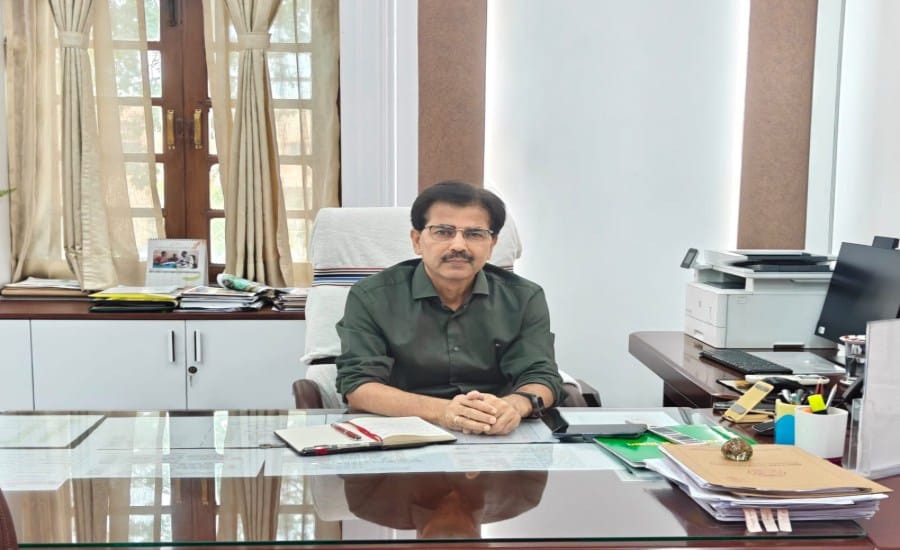
Patna: Bihar will launch a special statewide campaign to encourage citizens and institutions to donate useful assets to panchayats and libraries under the Centre’s “Danveer” initiative. The programme aims to connect community participation with rural development while ensuring that every donated asset can be digitally tracked and monitored.
The decision was discussed during a review meeting held through video conferencing on Tuesday under the chairmanship of Vipul Ujjwal, Director, Ministry of Panchayati Raj. Senior officials from Bihar, Jharkhand, Odisha, Chhattisgarh and Punjab participated in the meeting.
Representing Bihar, IAS Navin Kumar Singh, Panchayati Raj Department Director, presented details on the state’s plans for effective implementation of the initiative. He said Bihar would conduct a special campaign across the state to encourage more citizens and organisations to contribute assets for panchayats and community institutions.
The campaign will involve district-level officials, who will receive necessary directions to promote the initiative and facilitate wider public participation.
Citizens Can Donate Assets to Panchayats and Libraries
The “Danveer” initiative provides an opportunity for people to contribute useful assets according to their willingness and capacity. These contributions can support panchayats as well as libraries, helping strengthen facilities available to rural communities.
The initiative recognises that many people in villages are willing to contribute to local institutions for public benefit. By creating a formal platform for such contributions, the government aims to make community participation more structured and transparent.
Instead of limiting development support to government funding, the initiative seeks to create another channel through which citizens, organisations and other stakeholders can contribute to local infrastructure and facilities.
The assets donated through the initiative could help improve the resources available at panchayat offices, libraries and other community institutions, depending on local requirements.
Donations Through Meri Panchayat Portal
Citizens will be able to donate assets through the Meri Panchayat portal or its mobile application. The initiative was initially introduced in Andhra Pradesh and Maharashtra and is now being expanded to Bihar, Jharkhand, Chhattisgarh, Odisha and Punjab.
The digital platform will allow the donation process to be recorded and monitored from registration to actual use.
Once an asset is donated, important information will be entered into the system. This includes the make and model of the equipment, its specifications, quantity, concerned gram panchayat and date of donation.
The system will also link the donated asset to the relevant panchayat, making it easier to monitor where the asset has been sent and how it is being used.
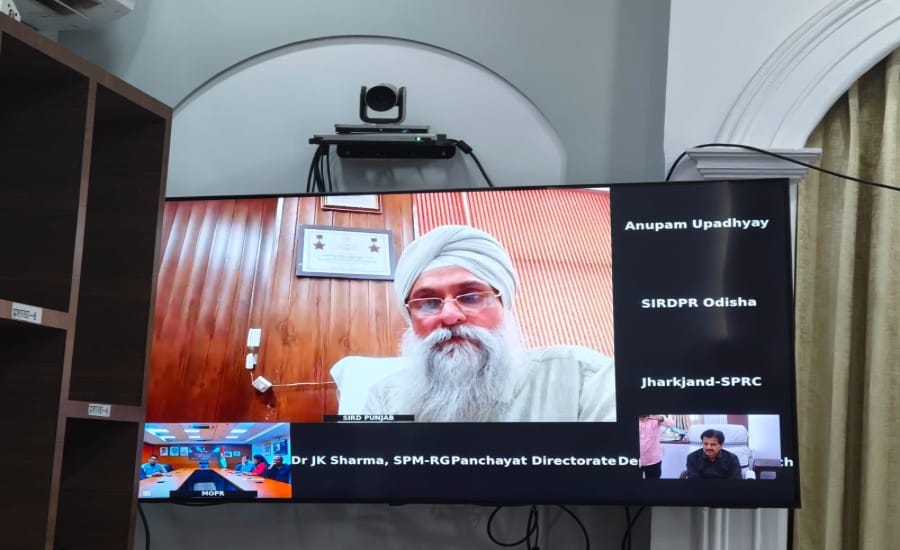
Every Donation to Get a Digital Identity
A major feature of the “Danveer” initiative is the digital tracking mechanism.
Each donation will receive a unique order or donation ID, while every individual asset will receive an Asset ID. These identifiers will make it possible to track the asset through different stages of the process.
The digital system will record details related to the delivery, installation and current usage of the donated equipment. This is expected to make the entire process more transparent and reduce the possibility of donated assets becoming unaccounted for after reaching local institutions.
The system will also allow authorities to monitor whether the donated equipment has reached the intended gram panchayat and whether it has been installed and put to use.
Bihar Plans Wider Citizen Participation
The state government’s special campaign is aimed at taking the initiative beyond a limited number of individual donations and encouraging broader participation across Bihar.
District Panchayati Raj Officers will play an important role in taking the campaign to the grassroots level. They will be provided with necessary directions to spread awareness about the initiative and encourage citizens and institutions to participate.
The approach is particularly relevant for Bihar, where panchayats serve as an important link between government programmes and rural communities. Greater availability of useful equipment and community resources can strengthen the functioning of local institutions and improve access to public facilities.
The involvement of citizens can also create a stronger sense of ownership towards local development. When people contribute directly to institutions in their own villages, the initiative can encourage a more participatory approach to rural development.
Digital Monitoring to Improve Transparency
The digital tracking system is expected to be one of the key strengths of the programme. Traditional donation systems can make it difficult to maintain a complete record of assets after they are handed over. The “Danveer” model seeks to address this gap by recording the asset throughout its lifecycle.
From the details of the donor contribution to its mapping with a gram panchayat, delivery, installation and current usage, the information can be maintained digitally.
This can give government authorities a clearer picture of the assets received by local institutions and help them monitor whether those assets continue to serve their intended purpose.
For citizens and organisations, such tracking can also provide greater visibility into how their contributions are being utilised.
A Community-Led Approach to Rural Development
The expansion of the “Danveer” initiative in Bihar represents an effort to combine government systems with community participation. The state’s planned special campaign is expected to bring more citizens and institutions into the process of supporting panchayats and libraries.
By allowing donations through a dedicated digital platform and assigning unique IDs to contributions and assets, the initiative also brings greater accountability to citizen-led support.
As Bihar begins its statewide campaign, the focus will be on encouraging people to contribute according to local needs while ensuring that donated assets reach the right institutions and remain digitally traceable.
The broader significance of the initiative lies in creating a more participatory model of development, where citizens can directly contribute to strengthening local public institutions. If implemented effectively, the campaign can help improve community facilities while also building greater transparency and public ownership in grassroots development.
Read Also: Bihar Road Network Gets Push as Samrat Choudhary and Nitin Gadkari Review Key Projects