Patna: In a major move to strengthen enforcement against illegal mining, the Bihar government has announced plans to recruit 1,000 ‘Khanan Sipahi’ (Mining Constables) for the Mines and Geology Department. The dedicated force will help the department independently conduct raids against illegal mining, transportation and storage of minerals without relying on local police.
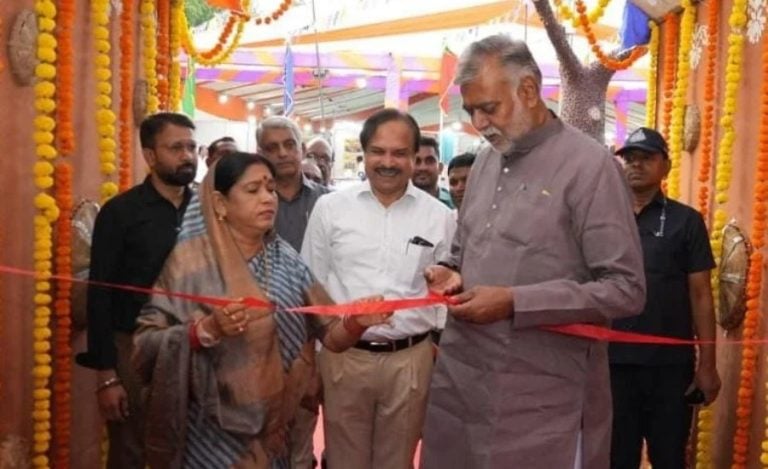
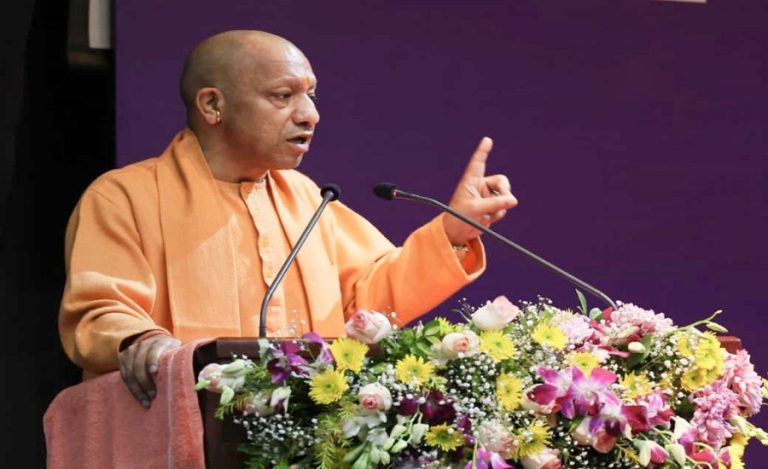
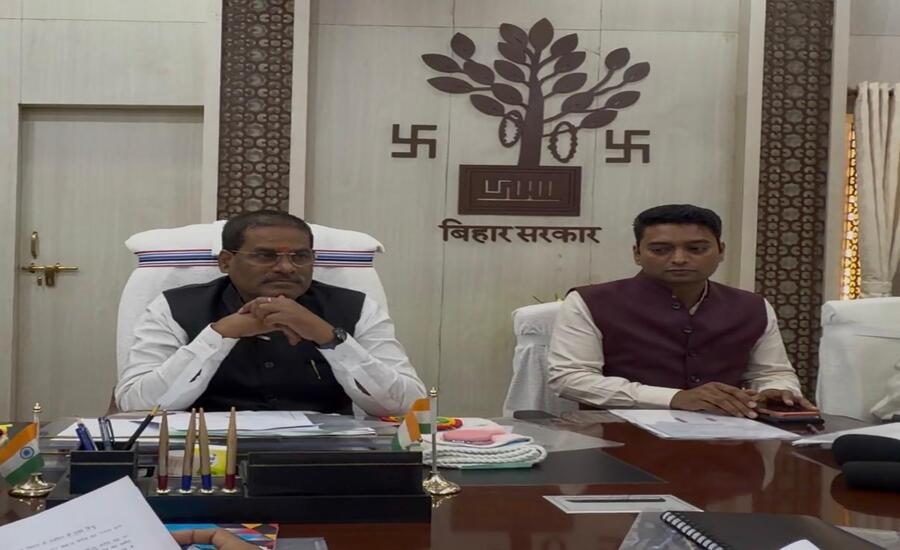
The announcement was made by Mines and Geology Minister Pramod Kumar, who also highlighted a sharp rise in departmental revenue, new mining leases, digital reforms and stricter monitoring of mineral transportation.
Dedicated Force to Combat Illegal Mining
The proposed recruitment will be on the lines of the Prohibition and Excise Department’s enforcement wing. According to the Minister, the dedicated force will improve transparency, enable quicker enforcement action and reduce dependence on district police, which is already burdened with law-and-order responsibilities.
Recruitment will be carried out through the appropriate commission, while eligibility criteria and training procedures are being finalised.
Read also: Bihar’s Supaul Women Turn Plastic Waste into Livelihood Through Waste Management Units
Revenue Collection Rises Nearly 39%
The department has recorded impressive revenue growth during the first four months of FY 2026-27.
Revenue increased from ₹590.12 crore during the same period last year to ₹790.23 crore, marking an increase of ₹221.11 crore, or 38.85%.
The Minister said the department has set an ambitious revenue target of ₹5,000 crore for the current financial year and expressed confidence that the target would be achieved.
More Raids, Arrests and Vehicle Seizures
The department has intensified its crackdown on illegal mining activities.
Compared to the same period last year:
- 16,861 raids have been conducted.
- 278 people have been arrested.
- 2,497 vehicles have been seized.
- ₹32.64 crore has been recovered as penalties.
These figures are higher than those recorded during the corresponding period of the previous financial year.
Stone Mining Expansion Across Bihar
To promote legal mining and generate employment, the department has issued tender notifications for eight stone mining leases in Nawada.
Similar tenders for Aurangabad, Gaya, Sheikhpura and Banka will be released by August 15. The leases will be awarded for five years and are expected to boost both industrial activity and government revenue.
Roadshow to Attract Investors
The Minister announced that a roadshow will be held in Patna on August 17 to encourage participation in the auction of magnetite, vanadium and glauconite mineral blocks located in Gaya and Rohtas.
The event will bring together industry leaders, entrepreneurs and government officials to attract investment in Bihar’s mining sector.
ISTP Portal Boosts Revenue
The Inter-State Transit Pass (ISTP) system, launched on June 10, has significantly improved monitoring of mineral-laden vehicles entering Bihar.
In less than two months, the portal has generated ₹45 crore in revenue. Around 22,203 vehicles have been registered, with nearly 4,000 vehicles entering Bihar daily from neighbouring states.
The department expects the system to generate around ₹250 crore during the current financial year.
GPS Tracking and Silt Management
The government will also mandate GPS devices for vehicles transporting minerals into Bihar to enable real-time monitoring and improve transparency.
Additionally, district administrations have been asked to prepare District Survey Reports (DSRs) for scientific silt management. Once approved, silt extraction will be auctioned through district authorities, helping improve river management, generate revenue and support sectors such as brick manufacturing.
Why It Matters
The proposed recruitment of 1,000 Khanan Sipahi, combined with digital monitoring, increased enforcement, new mining leases and investment promotion, reflects Bihar’s broader effort to improve governance in the mining sector. The initiatives are expected to strengthen revenue collection, curb illegal mining, attract private investment and create new employment opportunities while ensuring more transparent management of the state’s mineral resources.