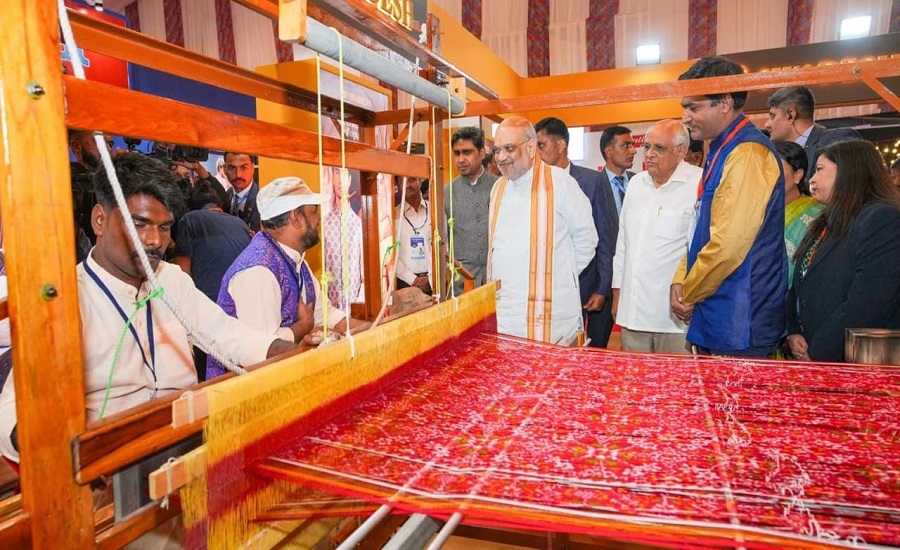
Gandhinagar: As India prepares to celebrate the 12th National Handloom Day on August 7, 2026, Gujarat has emerged as a leading example of preserving and promoting the country’s centuries-old weaving traditions. National Handloom Day was launched by Prime Minister Narendra Modi in Chennai in 2015 to honour India’s skilled handloom artisans and celebrate the country’s rich textile heritage.
Under the leadership of Chief Minister Bhupendra Patel, the Gujarat Government has strengthened the handloom sector through targeted initiatives, helping thousands of weavers improve their livelihoods while expanding the global reach of traditional handcrafted products.
Over 12,000 Weavers and Artisans Receive Government Support
The Gujarat Government’s efforts through the Department of Khadi, Cottage and Village Industries, Industrial Extension Cottage (iNDEXT-c), and the Gujarat State Handloom and Handicrafts Development Corporation (GSHHDC) have directly benefited more than 12,000 weavers and artisans across the state.
- More than 4,000 weavers are associated with iNDEXT-c.
- Nearly 8,000 artisans receive employment and marketing support through GSHHDC and its marketing brand Garvi Gurjari.
- Combined business generated through these initiatives has crossed ₹51.07 crore.
The programmes are being implemented under the guidance of Khadi, Cottage and Rural Industries Minister Naresh Patel and Minister of State Swaroopji Thakor.
Read also: CM Bhupendra Patel Receives ₹6.33 Crore Dividend Cheque from Gujarat State Seed Corporation
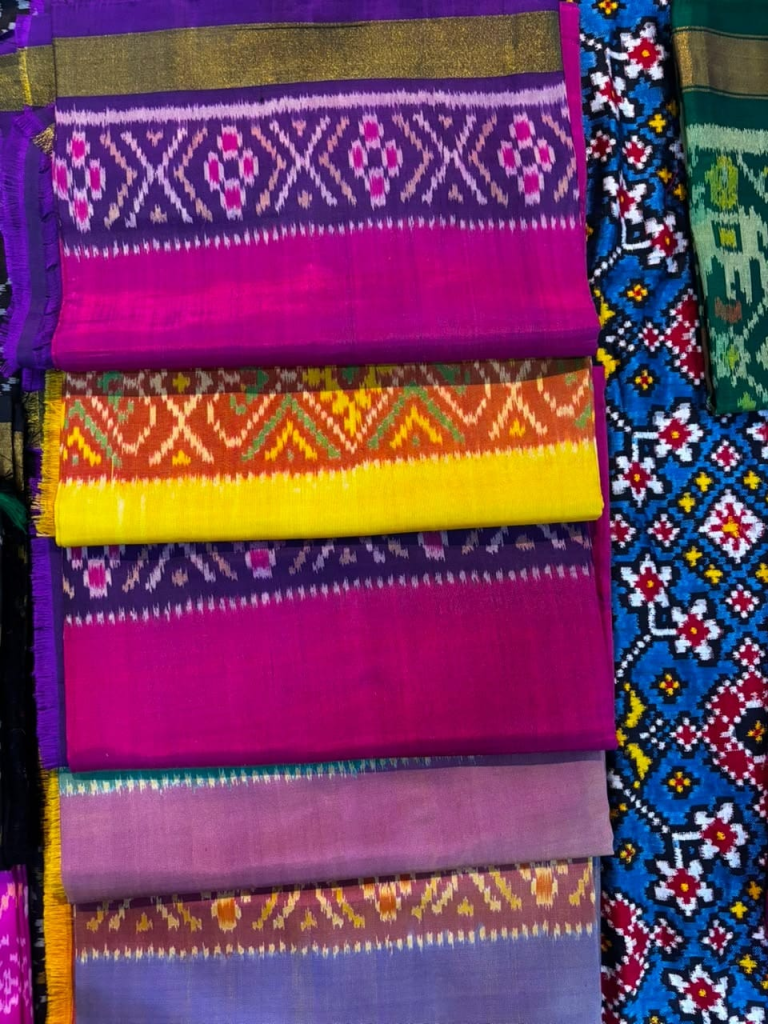
Garvi Gurjari Records Highest-Ever Annual Sales
The Gujarat State Handloom and Handicrafts Development Corporation (GSHHDC) has achieved record growth in recent years.
During 2025-26, the corporation:
- Procured handloom and handicraft products worth ₹16.01 crore from nearly 8,000 artisans.
- Generated ₹20.77 crore through its 22 retail outlets across Gujarat and other states.
- Earned an additional ₹22.30 crore through fairs and exhibitions.
- Recorded its highest-ever annual sales of ₹43.07 crore in its 53-year history.
Over the past five years, Garvi Gurjari has registered cumulative sales of ₹123 crore, reflecting the growing demand for Gujarat’s traditional crafts.
GI-Tagged Handloom Products Gain International Recognition
Gujarat’s textile heritage dates back nearly 2,000 years and includes several internationally recognised handloom traditions.
Some of the state’s most celebrated handloom products include:
- Patan Patola
- Bhujodi Shawls
- Tangaliya Weaving
- Sujani of Bharuch
- Jamkhambhalia Shawls
Many of these products have received Geographical Indication (GI) tags, enhancing their authenticity and boosting demand in global markets.
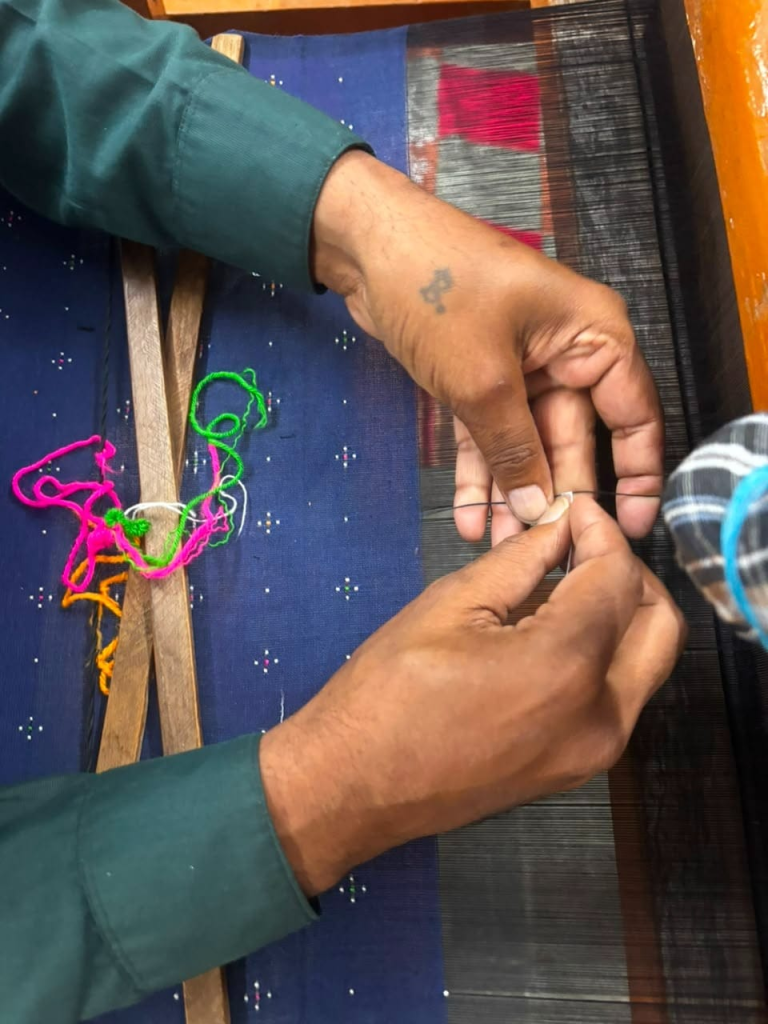
iNDEXT-c Connects Rural Weavers with Modern Markets
Recognised as one of the largest rural employment sectors after agriculture, the handloom industry provides income opportunities with relatively low investment and home-based production.
Women, youth and senior citizens actively participate in weaving, embroidery and hand-dyeing activities, particularly in crafts such as Bandhani and Kutch embroidery, making the sector an important source of rural employment.
To strengthen the industry, iNDEXT-c provides:
- Raw material assistance
- Skill development training
- Design innovation
- Product quality improvement
- Marketing support
More than 4,000 weavers associated with iNDEXT-c produce traditional products including Patola, Tangaliya, Bhujodi shawls, Jamkhambhalia shawls and Sujani across different districts of Gujarat.
Fairs and Exhibitions Boost Sales for Traditional Crafts
The Gujarat Government promotes traditional handloom products through year-round exhibitions, fairs and major public events, including:
- National Handloom Week
- Raksha Bandhan fairs
- Diwali fairs
- Vibrant Gujarat
- Gujarat Tourism events
These initiatives have generated more than ₹8 crore in sales over the past two years, helping artisans connect directly with customers and significantly increasing their incomes.
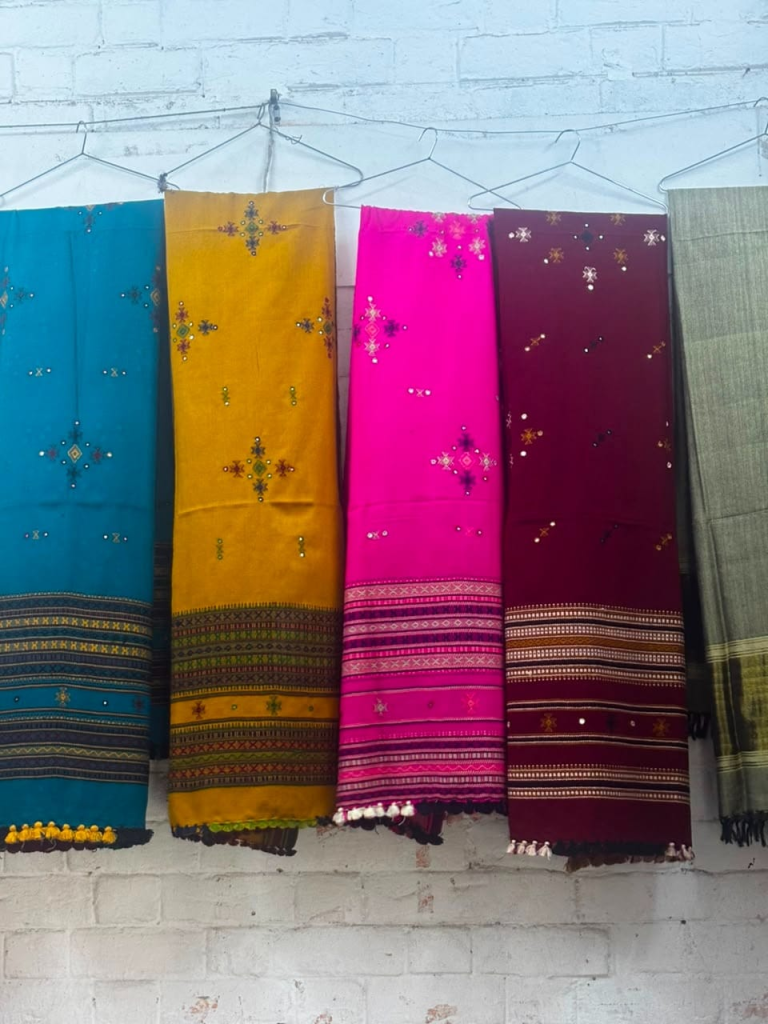
Gujarat’s Traditional Weaves Reach Global Markets
Gujarat’s handcrafted textiles, including Patola and Kutch weaves, are now finding buyers in the United States, Europe, Japan, Australia and the Middle East. Their growing popularity among international designers and global consumers has strengthened the state’s position as one of India’s leading handloom hubs.
With continued government support, modern design development and expanded marketing initiatives, Gujarat’s handloom sector has become an important contributor to both cultural preservation and rural economic growth.
Gujarat Strengthens Its Handloom Economy
Ahead of the 12th National Handloom Day, Gujarat’s handloom sector stands as a successful example of combining traditional craftsmanship with modern market opportunities. By supporting more than 12,000 weavers and artisans, promoting GI-tagged products, and generating business exceeding ₹51.07 crore, the state continues to preserve its rich textile heritage while creating sustainable livelihoods and expanding its presence in global markets.