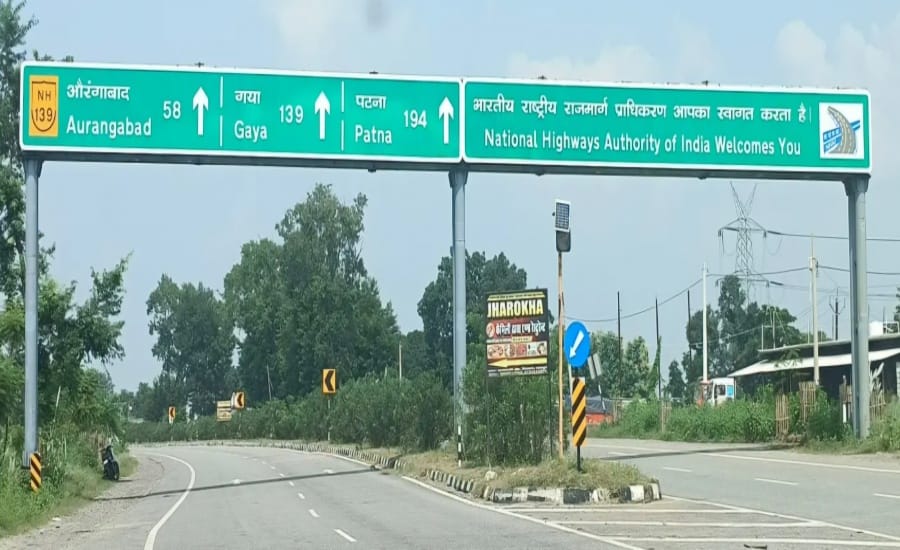
Ranchi: Chhatarpur in Jharkhand’s Palamu district is gradually building a new identity around highway connectivity, stone-related businesses and tourism opportunities. Once associated with fear and insecurity, the area is now seeing greater movement of vehicles, expanding roadside businesses and growing interest in its economic potential.
Better road connectivity has strengthened links with Bihar, Uttar Pradesh, Chhattisgarh, Madhya Pradesh and other parts of Jharkhand. At the same time, the stone trade supports activities ranging from mining and transportation to machinery operations and daily-wage employment.
Chhatarpur’s natural landscape and religious sites also offer opportunities to develop tourism. However, turning these advantages into lasting growth will require attention to environmental protection, public facilities, safety and local employment.
Highway Connectivity Gives Local Businesses a Boost
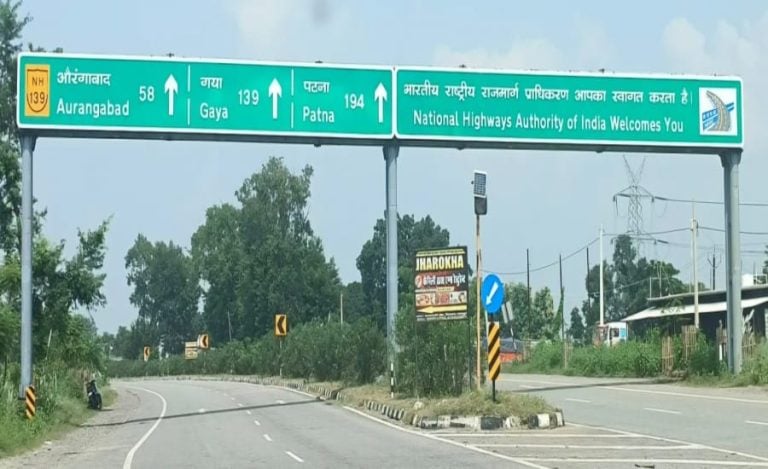
Road connectivity has played an important role in Chhatarpur’s changing economic landscape. Improved movement along the highway has made travel between the area and neighbouring states easier, supporting the flow of people, goods and commercial vehicles.
The increase in traffic has helped widen the local market. Businesses along major roads have opportunities to serve truck drivers, travellers, transport operators and construction workers.
Hotels, roadside eateries, vehicle-related businesses, spare-parts shops and construction-material suppliers are among the activities benefiting from this movement. As more vehicles pass through the area, roadside businesses can attract customers beyond the immediate local population.
These changes matter for small traders and workers who depend on daily commercial activity. Better connectivity can help local producers and businesses reach wider markets while creating opportunities in transport, repair services, food and hospitality.
The highway’s broader value lies not only in reducing travel difficulties but also in connecting Chhatarpur with regional trade networks. Sustaining these benefits will depend on reliable infrastructure, road safety and the ability of local businesses to respond to rising demand.
Stone Trade Supports Employment and Economic Activity
The stone trade has emerged as another important part of Chhatarpur’s economic activity. The sector connects several types of work, including mining, transportation, machinery operations and labour.
Its impact extends beyond the businesses directly involved in stone production. Trucks carrying stone generate demand for transport services, while roadside shops and eateries can benefit from the movement of workers and commercial vehicles.
For local communities, these activities can provide employment and income opportunities. They can also support the wider market by increasing demand for vehicle maintenance, equipment, food and other services.
However, economic activity linked to natural resources also brings responsibilities. Mining and related operations can place pressure on the environment if businesses do not follow applicable regulations and environmental safeguards.
As the stone trade expands, maintaining a balance between livelihoods and environmental protection will remain important. Responsible resource management, compliance with mining rules and attention to local environmental conditions can help reduce long-term risks.
The challenge for Chhatarpur is to ensure that commercial growth supports communities without damaging the natural resources on which the region also depends.
Religious Sites and Natural Beauty Offer Tourism Potential
Beyond highways and stone-related businesses, Chhatarpur has natural and religious attractions that could support tourism. The area features hills, forests, rivers, water sources and places of religious significance.
Chegauna Dham, Devgan Dham and Charai Kutiya are among the religious sites identified as important centres of local faith. These places, alongside the region’s natural landscape, could attract visitors if authorities and local communities develop them in a planned manner.
Tourism can create economic opportunities for people who may not directly benefit from mining or transport. Visitors can generate demand for accommodation, food, local transport, guiding services and locally made products.
However, natural beauty and religious importance alone do not guarantee a steady flow of tourists. Visitors also need safe access, clean surroundings and basic facilities.
Key priorities for tourism development include:
- Better roads and access to religious and natural attractions.
- Clean drinking water, sanitation and regular waste management.
- Parking facilities, visitor safety and suitable places to rest.
- Accommodation, food services and opportunities to buy local products.
- Training for local young people in guiding, hospitality and transport services.
A planned approach could help local communities participate in tourism rather than leaving its economic benefits concentrated among a few businesses. Protecting forests, water sources and other natural assets will also be essential if tourism is to remain sustainable.
Moving Beyond an Old Image
Chhatarpur’s changing identity is about more than increased traffic or commercial activity. The area is seeking to move beyond its earlier reputation for insecurity and build a stronger association with trade, connectivity and development.
For residents and business owners, visible economic activity can create new possibilities. Better transport links can make it easier to access markets, while the stone trade and associated services can support employment. Tourism offers another potential source of income if local attractions receive the necessary facilities and attention.
At the same time, a changing reputation takes more than infrastructure and business expansion. Safety, dependable public services and opportunities for local people will influence whether growth translates into a better quality of life.
Development also needs to reach beyond roadside commercial centres. Connecting nearby villages with markets and services can help spread economic benefits across a wider area.
Turning Potential into Long-Term Development
Chhatarpur’s highways, stone trade and natural attractions provide different routes for economic growth. The highway supports regional connectivity, the stone sector sustains linked commercial activities, and tourism could diversify local employment.
The next challenge is to turn these opportunities into sustained development. Better visitor facilities, responsible mining practices, improved public infrastructure and greater participation by local youth can help the region build on its existing strengths.
Tourism planning should protect natural and religious sites, while industrial and commercial growth must respect environmental requirements. Supporting small businesses and developing local skills can also help ensure that the benefits reach more residents.
Chhatarpur’s emerging development story reflects the possibilities that improved connectivity and local economic activity can create for a region. Its long-term progress will depend on how effectively it combines business growth, public safety, environmental responsibility and tourism development.
Read Also: Jharkhand Pushes Dhalbhumgarh Airport Project, Proposes 540 Acres for Development