New Delhi: The AMCA aero-engine ecosystem is gaining momentum as India’s Reliance Industries and Britain’s Rolls-Royce work together to engage Indian suppliers for the proposed engine development program for the Advanced Medium Combat Aircraft (AMCA). The initiative aims to build a strong domestic aerospace manufacturing network capable of supporting the development, production, and long-term maintenance of advanced fighter jet engines in India.
The collaboration is expected to strengthen India’s defence manufacturing capabilities and support the country’s vision of achieving greater self-reliance in critical aerospace technologies.
Details of AMCA Aero-Engine Ecosystem
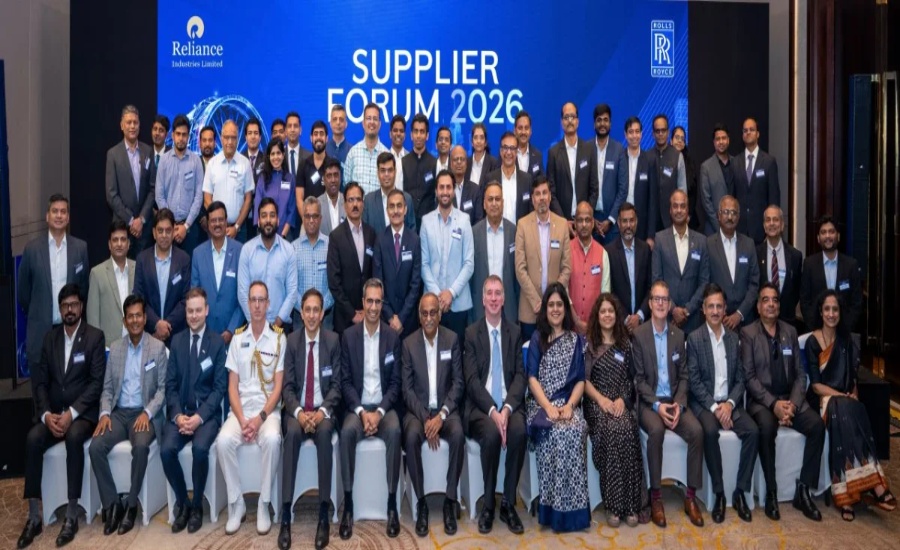
During the Reliance Industries Supplier Forum 2026, Rolls-Royce executives interacted with Indian aerospace and engineering companies to discuss potential participation in the AMCA aero-engine ecosystem.
Read also: Inside Rolls-Royce’s Powerful New AMCA Engine Offer For India’s Next-Generation Fighter
The discussions focused on developing a long-term industrial network that can manufacture key engine components and support future fighter aircraft programs. The initiative is part of broader efforts to increase indigenous participation in one of the most technologically demanding areas of defence manufacturing.
What Is The AMCA Program
The Advanced Medium Combat Aircraft (AMCA) is India’s planned fifth-generation stealth fighter aircraft being developed by the Aeronautical Development Agency (ADA) in collaboration with the Indian aerospace industry.
The aircraft is designed to feature advanced stealth characteristics, modern sensors, network-centric warfare capabilities, and next-generation combat systems. The AMCA is expected to become a key component of the Indian Air Force’s future combat fleet.
Why A New Aero-Engine Is Important for AMCA Aero-Engine Ecosystem
A fighter aircraft engine is one of the most complex technologies in aerospace engineering. Developing a modern combat jet engine requires expertise in:
- Advanced metallurgy
- Precision manufacturing
- High-temperature materials
- Turbine blade technology
- Transmission systems
- Heat-resistant components
A reliable indigenous engine is considered critical for ensuring operational independence and reducing dependence on foreign suppliers.
AMCA Aero-Engine Ecosystem: Indian Industry Expected To Play A Major Role
Several Indian companies are being considered for participation in the proposed ecosystem.
Among them is the LMW Advanced Technology Centre, the aerospace manufacturing division of Lakshmi Machine Works (LMW), which reportedly participated in discussions related to the project. The involvement of established Indian engineering companies highlights the growing confidence in India’s industrial capabilities.
Building A Complete Aerospace Supply Chain
Beyond engine design, a successful aero-engine program requires a large network of suppliers. This includes manufacturers of:
- Precision forged components
- Advanced castings
- Aerospace-grade materials
- Gearbox systems
- Turbine assemblies
- Specialized electronic systems
Creating such a supply chain would help India develop long-term aerospace manufacturing expertise.
Rolls-Royce’s Long Association With India
Rolls-Royce has maintained a long relationship with India’s defence sector. The company has supplied engines for several military aircraft operated by India, including engines used in Jaguar strike aircraft and Hawk Advanced Jet Trainers. This experience provides a foundation for deeper industrial cooperation in future aerospace projects.
Proposed Engine Could Power Future AMCA Variants
Reports indicate that the proposed collaboration could focus on developing a high-thrust aero-engine in the 110 kN class.
Such an engine would be designed to meet the performance requirements of future AMCA variants and support advanced operational capabilities. If approved, the project could become one of the most significant aerospace technology partnerships involving India.
Strategic Significance For India’s Defence Industry
The proposed AMCA aero-engine ecosystem represents more than just an aircraft engine project. It could help India build expertise in advanced aerospace manufacturing, create high-skilled jobs, strengthen domestic supply chains, and increase technological self-reliance.
Experts widely view aero-engine development as one of the most challenging areas of aerospace engineering, making indigenous capability development particularly important for long-term national security objectives.
What This Means For India’s Future Fighter Aircraft Plans
The success of the AMCA program depends on several critical technologies, and the engine remains one of the most important components.
A domestically supported engine ecosystem would improve supply chain security, reduce foreign dependence, and support future upgrades throughout the aircraft’s service life. The ongoing engagement between Reliance, Rolls-Royce, and Indian suppliers is therefore being closely watched across the aerospace and defence sectors.
Read also: India Moves Closer To Indigenous Fighter Engine As New AMCA Rivalry Emerges
FAQs
Rolls-Royce and Reliance Industries are exploring industrial collaboration opportunities to build a domestic aerospace supply chain and support future AMCA engine development efforts.
The AMCA Aero-Engine Ecosystem refers to the network of Indian companies, suppliers, and technology partners that could support the development, production, and maintenance of engines for the Advanced Medium Combat Aircraft.
An indigenous engine helps improve self-reliance, reduces dependence on foreign suppliers, strengthens national security, and supports long-term maintenance and upgrades of military aircraft.