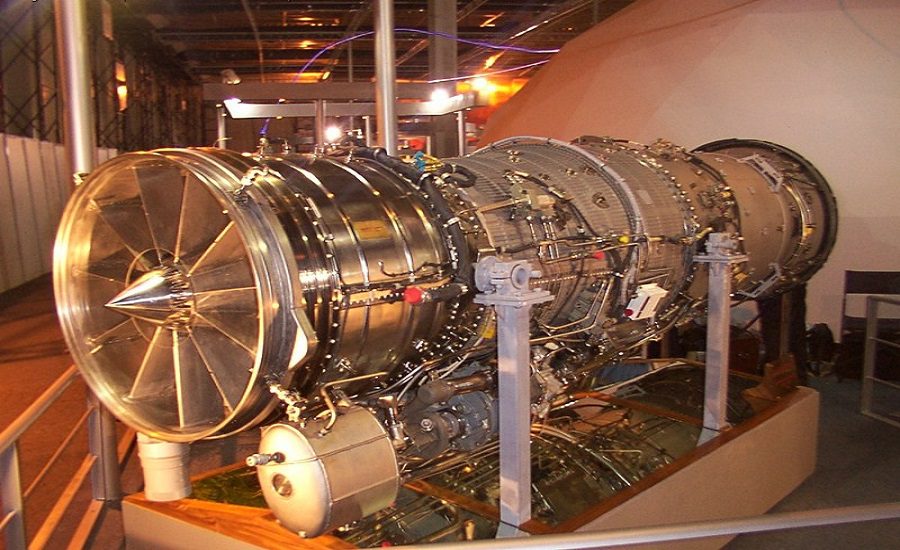
New Delhi: India’s AMCA engine race has entered a crucial stage after Reliance Industries and Rolls-Royce announced plans to jointly develop an indigenous combat engine for the Advanced Medium Combat Aircraft (AMCA) programme. The move creates fresh competition for the Safran-GTRE partnership, which has already been under discussion for powering future versions of India’s fifth-generation fighter jet.
The competition is not only about selecting an engine supplier. It is also about helping India achieve self-reliance in one of the most complex defence technologies—fighter aircraft engines.
What Is The AMCA Programme
The Advanced Medium Combat Aircraft (AMCA) is India’s indigenous fifth-generation stealth fighter jet being developed for the Indian Air Force. It is expected to play a major role in India’s future air combat capabilities.
Read also: India’s Indigenous Aircraft Engine Project Explained: Everything You Need To Know
The aircraft is designed with advanced stealth features, modern avionics, internal weapon bays, and powerful twin engines. India sees the AMCA as a key step toward reducing dependence on foreign fighter aircraft.
Why Is The AMCA Engine So Important?
Building a fighter jet is difficult, but developing a modern combat engine is even more challenging. A fighter engine must operate under extreme temperatures and pressure while delivering high thrust, fuel efficiency, and reliability. Only a handful of countries have mastered this technology.
India’s past experience with the Kaveri engine programme showed how difficult indigenous engine development can be. Despite decades of work, the engine could not fully meet the operational requirements of modern fighter aircraft.
Reliance-Rolls-Royce Enter The AMCA Engine Race
On August 14, 2026, Reliance Industries and Rolls-Royce announced their strategic intent to jointly design, develop, manufacture, and deliver an indigenous combat engine for the AMCA programme. The two companies are also exploring the creation of a dedicated Aerospace Gas Turbine Complex in India. The proposed facility would support research, testing, manufacturing, and long-term maintenance of advanced aerospace engines.
Key Features Of The Reliance-Rolls-Royce Proposal
- Indigenous combat engine development in India.
- Significant technology transfer and local manufacturing.
- Development of an aerospace gas turbine ecosystem.
- Support for India’s Atmanirbhar Bharat initiative.
- Potential long-term engine family for future military aircraft.
Safran-GTRE Partnership Remains A Strong Contender
France’s Safran has been working closely with India’s Gas Turbine Research Establishment (GTRE) on proposals for a high-thrust engine. Reports indicate that Safran has offered extensive technology transfer and intellectual property sharing for a next-generation engine in the 120 kN thrust class, which is considered suitable for future AMCA variants. The Safran proposal has been discussed as part of India’s broader effort to create a sovereign fighter engine capability with domestic participation.
Advantages Of The Safran-GTRE Route
- Existing engagement with Indian defence agencies.
- Focus on high-thrust engine development.
- Strong technology-transfer discussions.
- Support for India’s long-term aero-engine roadmap.
AMCA Engine: Technology Transfer Is The Real Battle
The biggest issue in the AMCA engine competition is not simply who can build the engine. India wants access to critical technologies such as turbine blades, advanced materials, hot-section metallurgy, digital engine controls, and manufacturing expertise. These technologies are essential for building future indigenous engines without foreign dependence.
Both Rolls-Royce and Safran have highlighted technology transfer and local development as major parts of their proposals.
Why AMCA Engine Project Matters For India
India currently imports engines for many of its fighter aircraft programmes. A successful indigenous engine programme would strengthen national security, reduce import dependence, create advanced manufacturing jobs, and establish India as a major aerospace power.
The AMCA engine project is therefore not just a defence programme. It is a strategic technology mission that could shape India’s aerospace future for decades.
Read also: Russia Offers India Advanced Stealth Jets While AMCA Program Moves Forward
FAQs
The engine is the most complex part of a fighter aircraft and determines performance, reliability, and future self-reliance in aerospace technology.
The Advanced Medium Combat Aircraft (AMCA) is India’s indigenous fifth-generation stealth fighter jet being developed for the Indian Air Force.
The major contenders are the Reliance-Rolls-Royce partnership and the Safran-GTRE collaboration for developing a next-generation indigenous combat engine.