Bhubaneswar: The Odisha government is preparing a comprehensive action plan to establish drug-free zones within a 500-metre radius of educational institutions across the state, aiming to prevent substance abuse among students and create safer campus environments.
The proposed initiative will cover schools, Industrial Training Institutes (ITIs), polytechnics, colleges, universities and other technical and professional educational institutions, including their hostels.
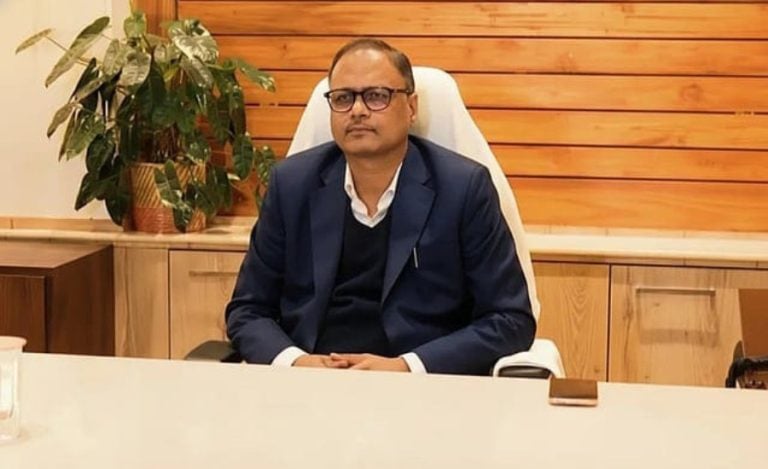
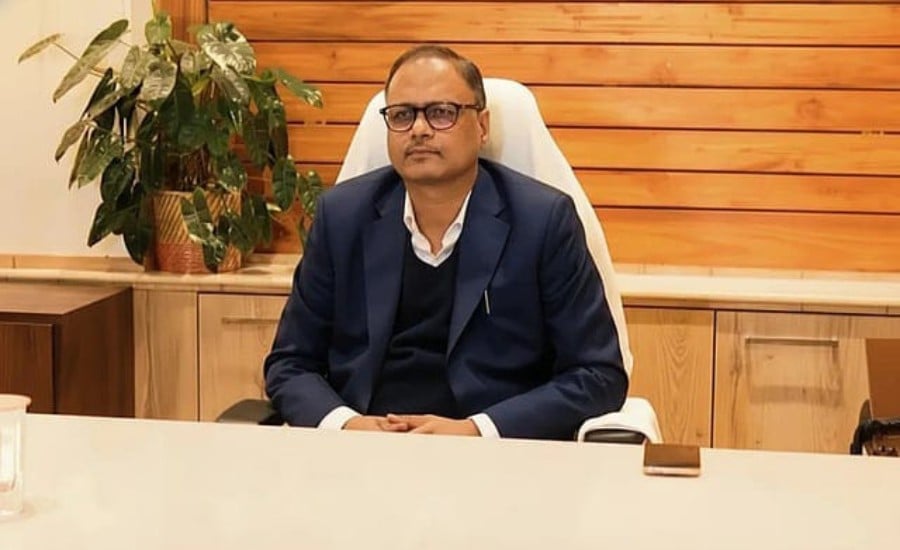
Development Commissioner-cum-Additional Chief Secretary Deoranjan Kumar Singh (IAS: 1993: OR), chaired a high-level meeting to discuss the implementation framework and measures required to strengthen the initiative.
Higher Education Secretary Aravind Agrawal presented the proposed action plan, which focuses on enforcement, institutional monitoring, student participation, awareness campaigns and rehabilitation support.
Key Features of Odisha’s Proposed Drug-Free Campus Initiative
The proposed framework envisages several institutional and administrative measures to prevent the availability and use of narcotic substances around educational establishments.
Read Also: Odisha IAS Transfers: 7 Officers Shifted; New Collectors Appointed in Nabarangpur and Nuapada
The major provisions include:
- 500-metre drug-free zones: Areas surrounding educational institutions and their hostels will be brought under the proposed drug-free zone framework.
- Institutional committees: Every institution will have Drug-Free Campus Committees and Mental Health and Wellness Committees.
- Nodal officers: Dedicated officers will be appointed to coordinate and monitor implementation.
- Student ambassadors: Selected students will promote awareness and encourage their peers to stay away from substance abuse.
- Regular inspections: Police and Excise officials will conduct inspections and take legal action against the sale of narcotic substances within designated zones.
- Complaint mechanisms: Information boards, complaint boxes and online grievance-reporting facilities will be introduced.
- Awareness programmes: Educational institutions will organise periodic awareness activities to educate students about substance abuse.
Counselling and Rehabilitation to Complement Enforcement
The proposed action plan also places emphasis on addressing substance abuse through prevention, counselling and treatment rather than relying exclusively on punitive measures.
Students found using drugs will be encouraged to access professional counselling, medical treatment and rehabilitation services.
The government also intends to promote constructive engagement among students through:
Yoga and physical fitness activities.
- Sports and recreational programmes.
- Cultural activities.
- Life-skills education.
- Regular awareness campaigns on the harmful effects of substance abuse.
The approach aims to combine enforcement with mental health support and rehabilitation for students struggling with substance dependence.
Monthly Monitoring and Drug-Free Campus Certification Proposed
To ensure accountability, the state government is also considering a monitoring and certification mechanism for educational institutions.
Under the proposed framework:
- Regular inspections will assess compliance with prescribed standards.
- Institutions will submit monthly compliance reports.
- Eligible institutions will receive certification as ‘Drug-Free Campuses’.
- Separate guidelines will be prepared to ensure uniform implementation across Odisha.
Chairing the meeting, Deoranjan Kumar Singh stressed the need for stronger coordination among the departments concerned, regular monitoring and sustained awareness campaigns.
He also emphasised that counselling, treatment and rehabilitation should receive equal attention alongside enforcement measures.
Initiative Linked to National Drug-Free Youth Campaign
The proposed action plan follows discussions at the ninth high-level Narcotics Coordination (NCORD) Committee meeting held on January 9, 2026, where the proposal to establish drug-free zones around educational institutions was taken up.
It also aligns with the Centre’s broader efforts to prevent substance abuse among young people.
Prime Minister Narendra Modi launched the ‘Nasha Mukt Yuva for Viksit Bharat Sankalp Abhiyan’ on August 2, 2026. The initiative marks the beginning of a 100-week nationwide public participation campaign aimed at encouraging young people to stay away from substance abuse.
Odisha Chief Minister Mohan Charan Majhi has also appealed to young people to follow the message, “Say no to drugs, say yes to life”, encouraging them to prioritise education, sports, yoga and social service.