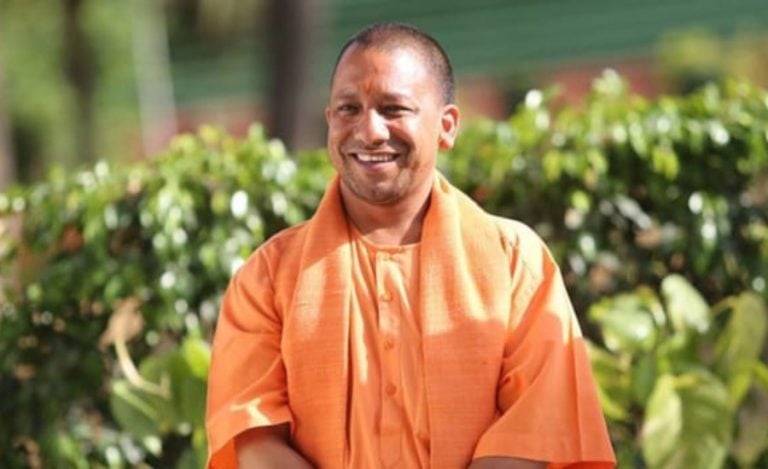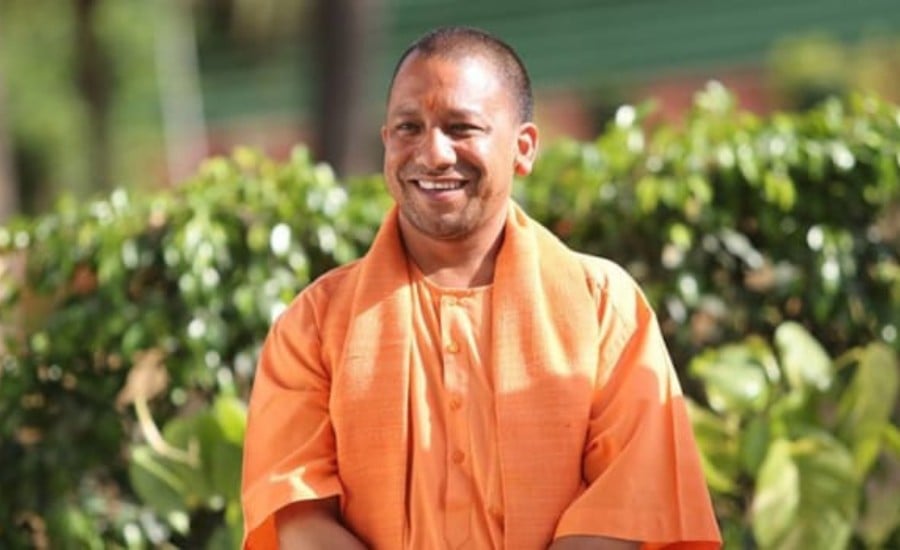
Gorakhpur: Uttar Pradesh Chief Minister Yogi Adityanath will celebrate Diwali with the Van Tangiya community at Jungle Tinkonia Number Three in Gorakhpur on November 8, continuing a tradition he began in 2009. During the visit, he will also inaugurate and lay the foundation stone for 52 development projects worth ₹82.41 crore.
The projects include road connectivity improvements in the Van Tangiya settlement, an eco-park in Kusmhi Forest and a global city market in Pipraich Nagar Panchayat.
The Chief Minister’s annual Diwali visit is associated with his efforts to bring the historically marginalised Van Tangiya community into the mainstream of society and extend basic civic facilities to its settlements.
52 Development Projects Worth ₹82.41 Crore
During the Diwali celebrations, Yogi Adityanath will inaugurate 26 completed projects worth ₹4.43 crore and lay the foundation stone for another 26 projects estimated at ₹77.97 crore.
Read Also: Yogi Adityanath to Celebrate Diwali With Van Tangiya Community, Announce ₹78 Crore Projects
The major projects include:
- Road connectivity: An interlocking road connecting Rajhi Chauraha to Pipraich Road through Jungle Tinkonia Number Three, to be constructed at a cost of ₹3.65 crore.
- Eco-park: Development of an eco-park in Kusmhi Forest at an estimated cost of ₹4.84 crore.
- Global City Market: Construction of a market in Pipraich Nagar Panchayat at a cost of ₹1.91 crore.
- Basic infrastructure: Several other projects involving improvements to essential infrastructure in different villages.
The proposed eco-park will include Swiss cottages and other visitor facilities. The market project in Pipraich is intended to improve local market infrastructure.
Why Yogi Adityanath Celebrates Diwali With the Van Tangiya Community
The Van Tangiya settlements in Gorakhpur have a history dating back to the British colonial period.
During railway expansion, large numbers of Sal trees were felled to manufacture railway sleepers. To replenish forest cover, the British administration settled landless labourers in forest areas to plant and maintain Sal saplings.
The method used for plantation was known as the Tangia system, which originated in Burma. The people engaged in this forest-management practice came to be known as Van Tangiyas.
Five settlements were established in the Kusmhi forest area in 1918:
- Jungle Tinkonia Number Three
- Rajhi Khale Tola
- Rajhi Nursery
- Aambagh Nursery
- Chilbilwa
Another 18 Van Tangiya villages were established in different forest locations in neighbouring Maharajganj district.
Despite India’s Independence in 1947, the community continued to face restrictions and lacked access to several basic facilities available to other citizens. Residents faced restrictions on construction within forest areas and depended largely on daily-wage labour and the collection and sale of forest produce for their livelihoods.
A Long Struggle for Land Rights and Recognition
Even after Independence in 1947, the Van Tangiya community continued to live without formal recognition of its settlements. Residents faced uncertainty over their rights to forest land and had limited access to basic facilities such as schools, healthcare, electricity, roads and ration services.
Tensions escalated in the 1980s when the Forest Department reportedly sought to evict residents after plantation work was completed. On July 6, 1985, forest personnel opened fire on residents of Tilkonia forest village in Gorakhpur, killing two villagers, Panchu and Pardeshi, and injuring several others.
In 1992, residents formed the Vantangiya Vikas Samiti to seek recognition and land rights. A major step followed in 2011, when around 4,300 residents across 23 forest villages in Gorakhpur and Maharajganj received ownership rights over their residential and agricultural land under the framework of the Forest Rights Act, 2006.
In 2017, the 23 settlements were granted revenue village status, bringing them into the regular administrative system and improving their access to government schemes and basic infrastructure.
Yogi Adityanath’s Efforts to Bring Van Tangiyas Into the Mainstream
Yogi Adityanath’s association with the Van Tangiya community dates back to his tenure as Gorakhpur MP, which began in 1998.
He initiated efforts to extend education and healthcare services to the settlements through institutions associated with the Maharana Pratap Shiksha Parishad and the mobile medical services of Guru Shri Gorakshnath Hospital.
These initiatives began taking shape in Jungle Tinkonia Number Three around 2003.
In 2009, an attempt to establish a temporary school for Van Tangiya children in the settlement faced legal opposition from the Forest Department, which objected to the construction. The school was subsequently established and came to be known as Gorakshnath Hindu Vidyapeeth.
Adityanath also began celebrating Diwali with the community in 2009. The tradition continued after he became Chief Minister of Uttar Pradesh.
Van Tangiya Villages Granted Revenue Village Status
One of the significant administrative changes for the community came after Yogi Adityanath became Chief Minister.
During his first year in office, Van Tangiya settlements were granted revenue village status, making their residents eligible for government facilities and welfare schemes available to other recognised villages.
The development covered 23 Van Tangiya villages across Gorakhpur and Maharajganj districts.
Over the years, these settlements have received several basic facilities, including:
- Permanent houses under the Chief Minister’s housing scheme.
- Roads and electricity connections.
- Drinking water facilities and streetlights.
- Schools and Anganwadi centres.
- Agricultural land rights through land allotments.
- Aadhaar cards, ration cards and LPG connections.
- Old-age, widow and disability pensions for eligible residents.
Children from the community are also attending schools, while residents have gained access to various government welfare programmes.
Annual Diwali Tradition Continues
Jungle Tinkonia Number Three has become the centre of the Chief Minister’s annual Diwali celebrations with the Van Tangiya community.
During these visits, Adityanath distributes sweets, books, notebooks and other gifts to children, encouraging them to pursue education. He also interacts with residents and reviews the development of the settlement.
This year’s visit will combine the traditional Deepotsav celebrations with the inauguration and foundation-laying of infrastructure projects worth ₹82.41 crore.
Read Also: Bareilly Bakarganj Park Project: How Bareilly Plans To Turn A Garbage Dump Into A Green Haven