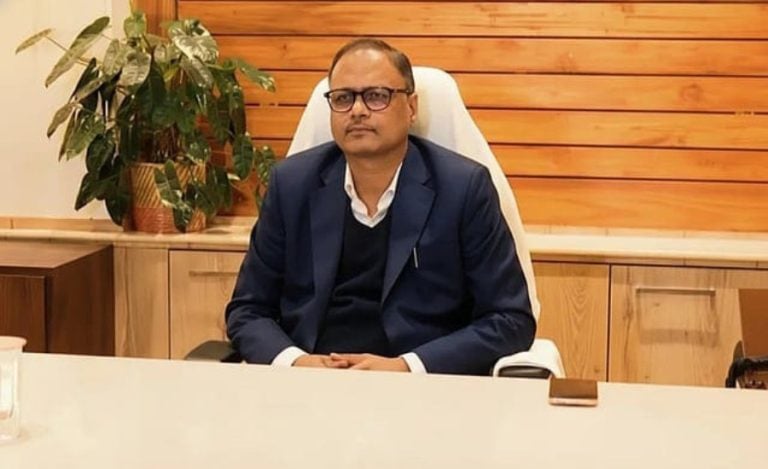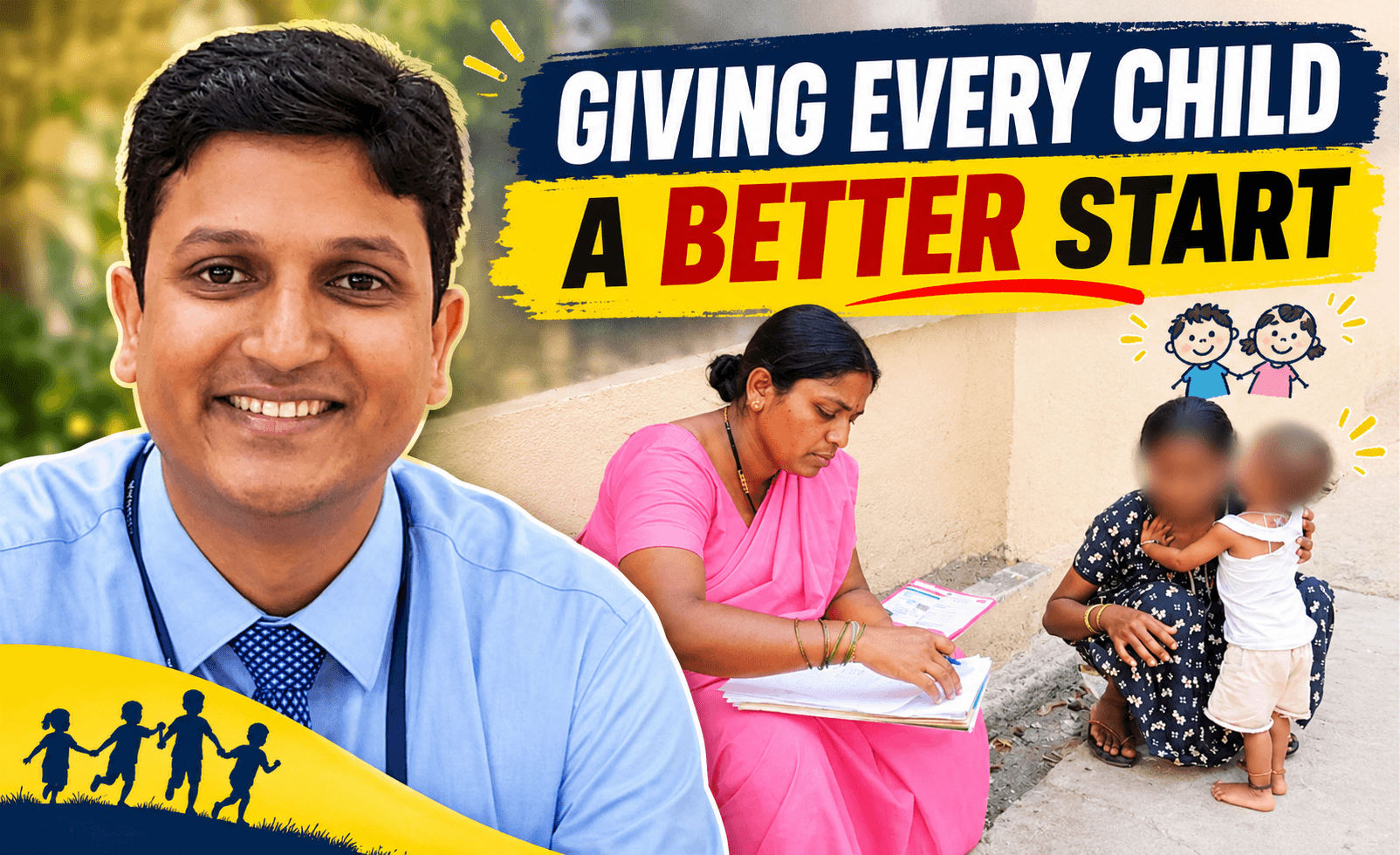
What if identifying a developmental problem early could change the course of a child’s life? In Karnataka’s Yadgir district, Deputy Commissioner Pandve Rahul Tukaram, a 2016-batch IAS officer of the Karnataka cadre, is leading an ambitious initiative to make early identification and intervention accessible to every child.
Through the Early Intervention Social Registry, the district aims to screen 1.5 lakh children aged 0–8 years for developmental delays, disabilities, disorders and deficits (4Ds). Backed by a digital tracking system, trained frontline workers and medical institutions, the initiative seeks to ensure that children receive timely assessment, treatment and rehabilitation, rather than lose crucial years waiting for help.
In an exclusive conversation with Indian Masterminds, the officer shares how the district is building the Early Intervention Social Registry. He explains the 4Ds approach, the role of frontline workers, how technology is being used to track every child’s developmental journey, and why early identification, timely intervention and family participation can make a lasting difference in children’s lives.
Also read: Ganga Bai Gaur: The Woman Farmer Saving India’s Traditional Seeds and Forgotten Millets
1. What prompted you to launch this initiative in Yadgir?
The primary motivation behind launching the Early Intervention Social Registry in Yadgir was the growing need to identify children with developmental delays, disabilities, disorders and deficits at an early age and ensure that they receive timely intervention and rehabilitation services.
We observed that many children, particularly those living in rural and underserved communities, were not being identified at the appropriate age. Existing identification mechanisms were fragmented across hospitals, government departments, Anganwadi centers and non-governmental organizations. There was no unified system to identify, document, track and follow up with these children.
The absence of a centralized database also resulted in gaps in service delivery, duplication of information and delays in connecting children with appropriate interventions.
We therefore conceptualized the Social Registry as a comprehensive, technology-enabled system to ensure that every child between 0 and 8 years of age is identified, registered, assessed and connected to appropriate services.
Our vision is simple: No child should be left unidentified, and no child identified with a developmental concern should be left without appropriate support.
Yadgir provides an opportunity to demonstrate how government systems, frontline workers, healthcare institutions and community-based organizations can work together to establish a sustainable early intervention model.
2. What does the 4Ds approach cover, and why is early identification important?
The 4Ds approach covers four important areas:
1. Developmental Delays: Delays in achieving age-appropriate developmental milestones, including physical, cognitive, communication, language, social and emotional development.
2. Disabilities: Conditions that create functional limitations and require rehabilitation, assistive devices, accessibility support and other appropriate services.
3. Disorders: Conditions affecting a child’s development, behaviour, communication or functioning that may require specialized assessment and intervention.
4. Deficits: Identifiable deficiencies or limitations that require further assessment and appropriate support.
Early identification is extremely important because the first eight years of a child’s life are critical for brain development, learning, communication, physical growth and social interaction.
When developmental concerns are identified early, children can be connected to appropriate therapy, medical intervention, nutritional support, assistive devices and family-based care at the right time.
Delayed identification can result in children missing important opportunities for intervention, which may affect their independence, education, participation and overall quality of life.
Through this initiative, we aim to move from a reactive approach, where services are provided only after a problem becomes visible, towards a proactive approach where children are screened regularly and supported at the earliest possible stage.
3. How will the administration screen 1.5 lakh children, and what progress has been made?
We are adopting a systematic, three-level screening approach to identify children between 0 and 8 years across all six taluks of Yadgir district.
Our screening strategy involves government frontline workers, trained facilitators, community rehabilitation workers and physiotherapists.
The screening process has three levels:
Level 1 – Rapid Red Flag Screening
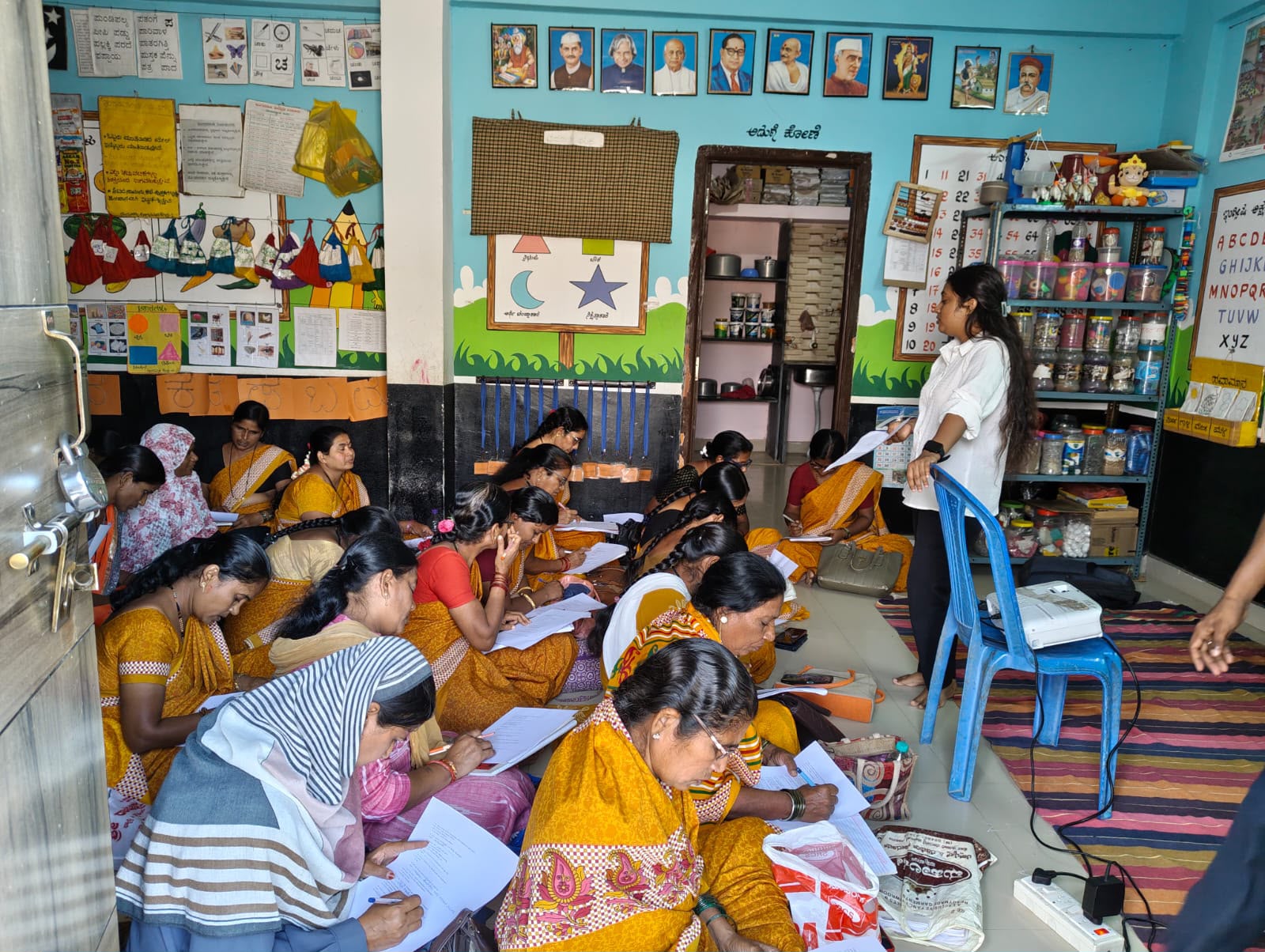
ASHA workers, Anganwadi workers and school teachers trained facilitators conduct the initial screening using a rapid assessment tool. They identify children who may be showing signs of developmental delays or other concerns.
Level 2 – RBSK Assessment
Children identified as potentially at risk are referred for a second-level assessment using the Rashtriya Bal Swasthya Karyakram (RBSK) screening tool. Community Rehabilitation Workers support this assessment process.
Level 3 – Detailed Developmental Assessment
Children requiring further assessment undergo a detailed developmental evaluation using the Werner David Developmental Pictorial Scale, conducted by trained physiotherapists.
Our implementation plan includes:
• 1200 ASHA workers.
• 2000 Anganwadi workers.
• 2000 Teachers
• 60 facilitators.
• 30 Community Rehabilitation Workers.
• 8 physiotherapists.
We are targeting the screening of 1.5 lakh children across the district. The screening information is collected systematically and entered into the digital system for further analysis and follow-up.
4. How does the digital registry help track each child’s development and treatment?
The digital Social Registry is the backbone of this initiative. It is designed to establish a centralized database of children aged 0–8 years across all six taluks of Yadgir.
Currently, information about children is often maintained separately by different institutions and service providers. This makes it difficult to understand whether a child has received the required assessment, treatment, rehabilitation or follow-up services.
The Social Registry addresses this challenge through a unified digital platform.
Each child is registered with a unique identification number and helps prevent duplication of records.
The system captures important information such as:
• Child and family details.
• Birth and developmental information.
• Screening and assessment findings.
• Identified developmental concerns.
• Referrals and services required.
• Follow-up and intervention status.
The project presentation identifies KOBO as the tool for collecting and entering screening information.
The collected information can subsequently be validated, analyzed and consolidated into a centralized database. Dashboards and real-time analytics will help identify children requiring intervention, geographical service gaps and areas needing additional resources.
For example, if a child is identified with a speech or developmental delay, the registry can help maintain the assessment and referral information and support follow-up to check whether the child has accessed the required services.
Ultimately, the objective is to move beyond simply counting the number of children screened and establish a system that tracks whether each identified child is actually receiving appropriate services.
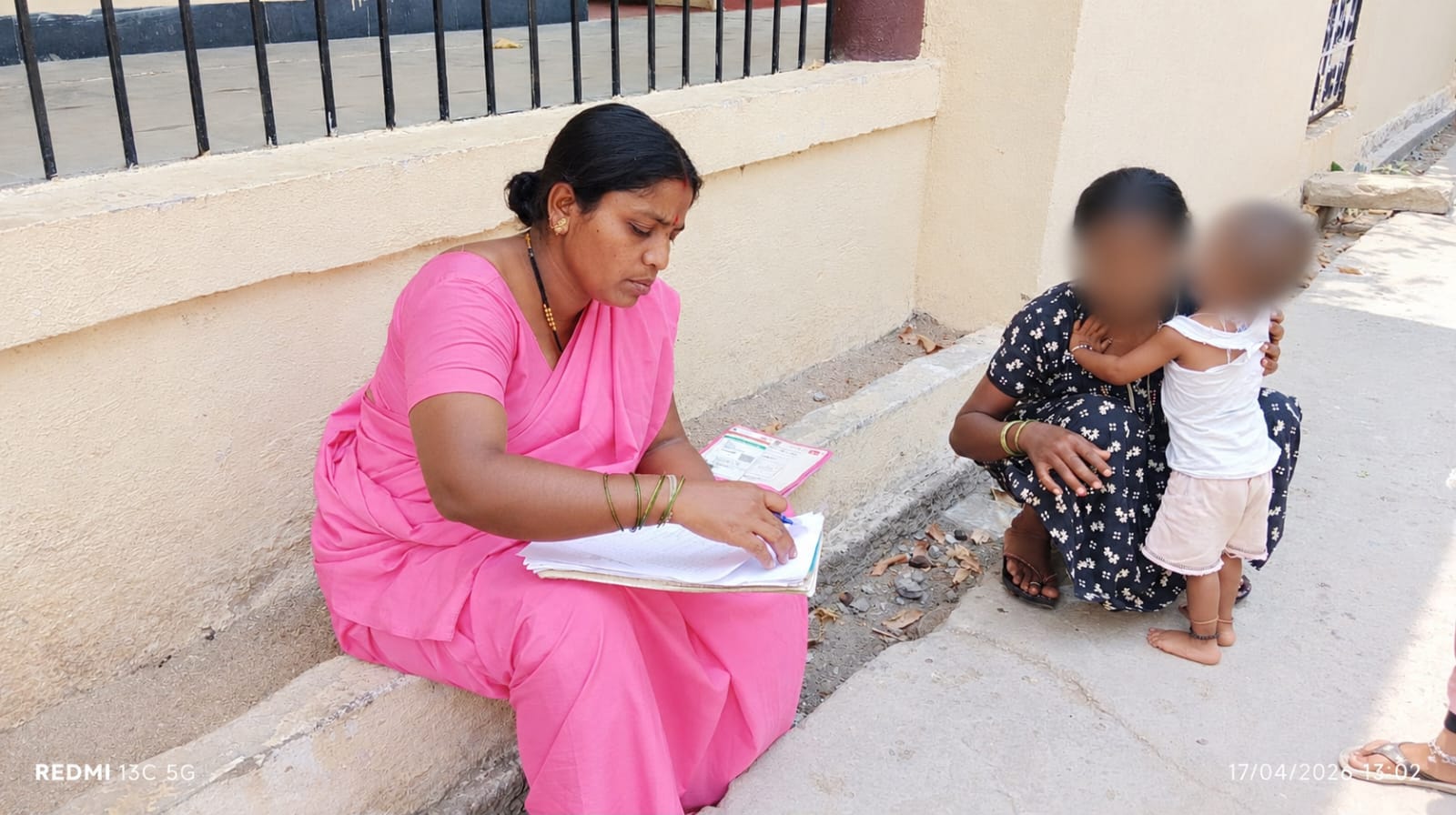
5. What roles are ASHA workers, Anganwadi workers and teachers playing?
The success of this initiative depends significantly on community-level participation. ASHA workers, Anganwadi workers and teachers are important stakeholders because they have regular contact with children and their families.
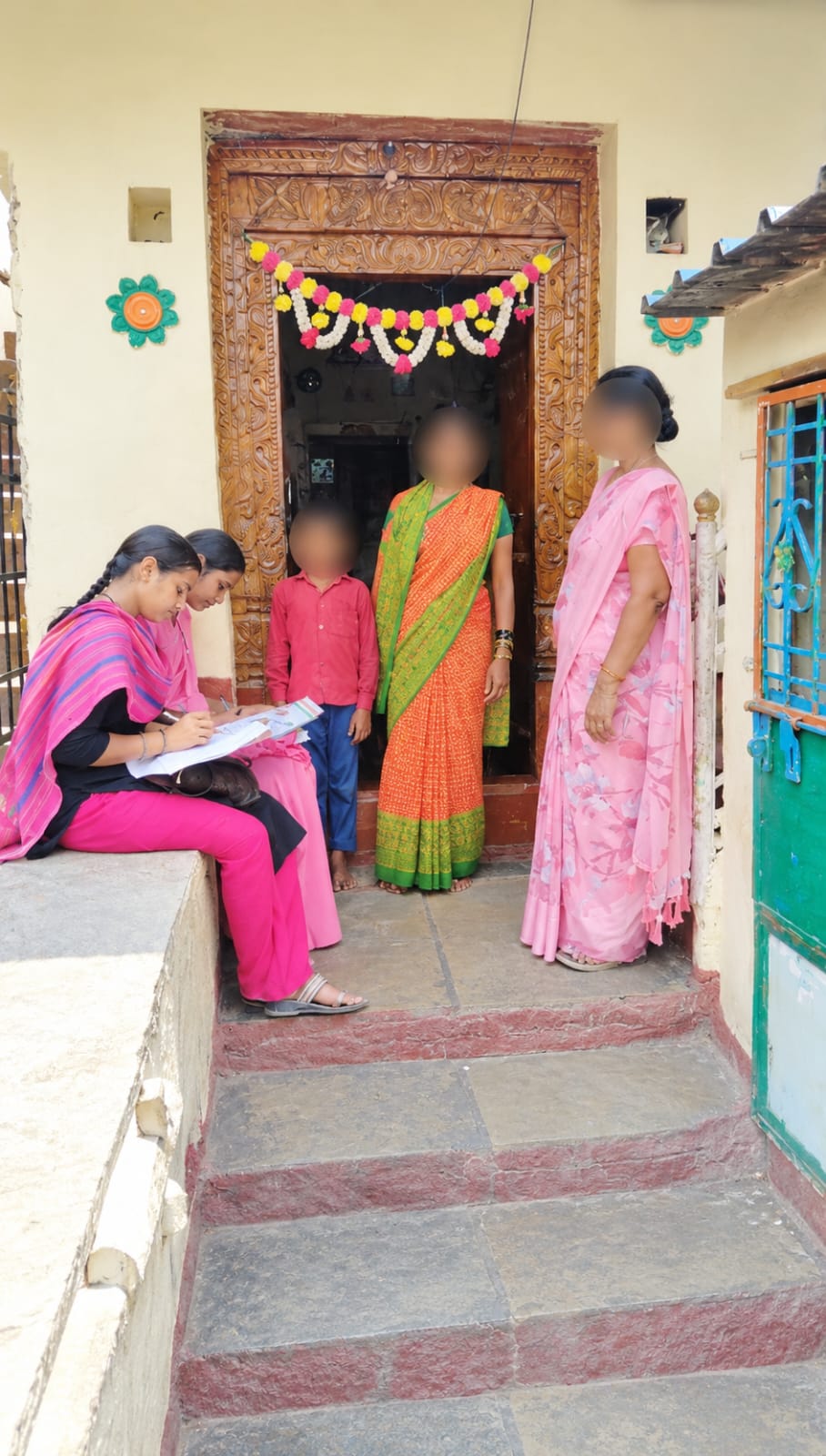
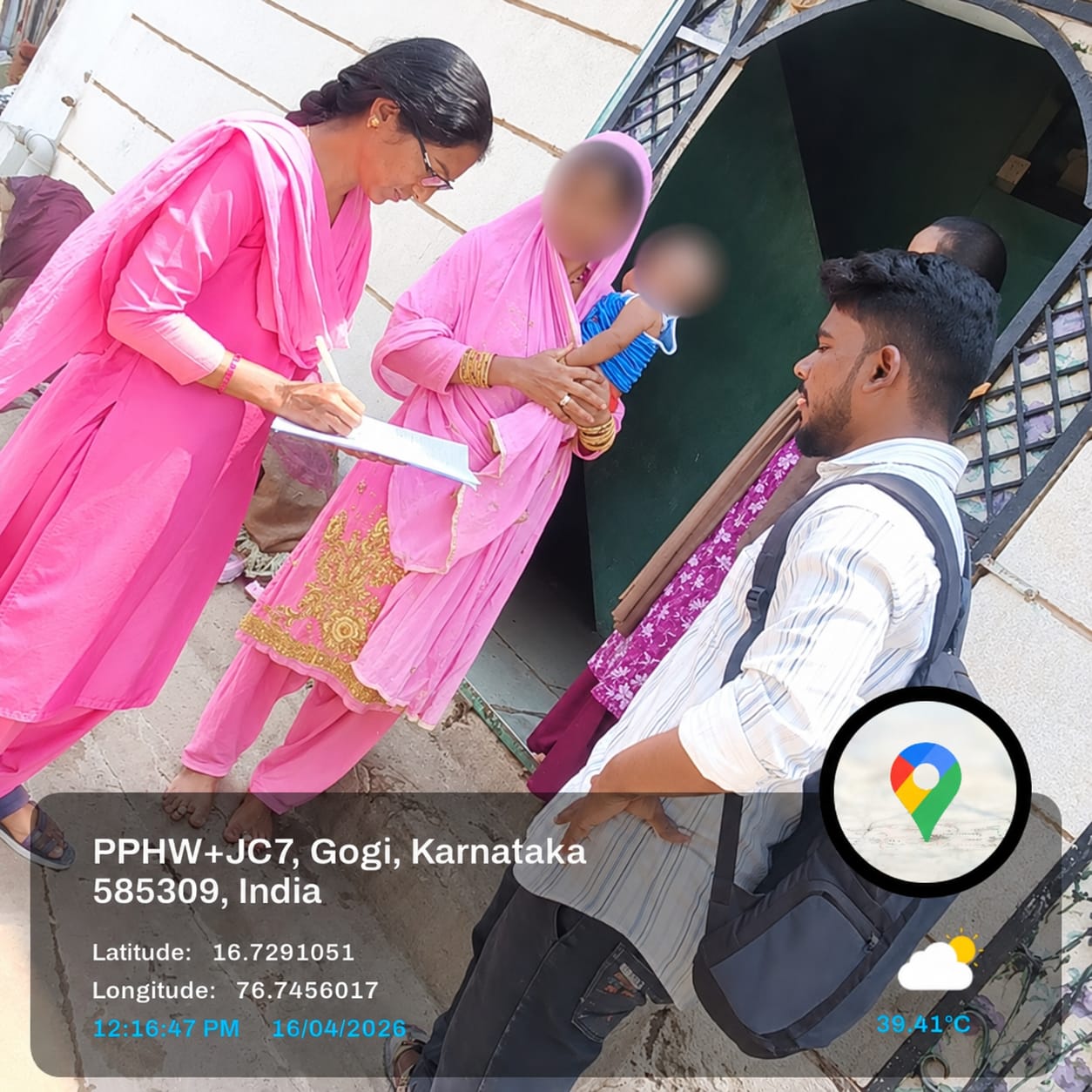
ASHA workers: ASHA workers are playing a key role in the first-level rapid screening process. They visit households, interact with parents, identify children who may be at risk and complete the prescribed assessment formats. They also help create awareness among families about developmental milestones, early identification and the importance of seeking timely intervention.
Anganwadi workers: Anganwadi workers support the identification and screening of children through Anganwadi centres. Their regular interaction with young children and parents helps identify developmental concerns at an early stage. They also support community mobilization, awareness generation and coordination with ASHA workers.
Teachers: Teachers can contribute by observing children’s learning, communication, behaviourand participation in classroom activities. They can help identify children who may require further assessment and facilitate communication with parents and the relevant rehabilitation team.
The concept note recognizes educators as important stakeholders in the registry. However, the presentation does not specify a separate operational screening responsibility or a detailed role allocation for schoolteachers.
Through this collective approach, we are building a community-based identification system rather than depending exclusively on hospitals or specialized institutions.
6. What happens after a child is identified with a developmental delay or disability?
Identification is only the first step. Our main responsibility is to ensure that every identified child receives the appropriate assessment, referral and intervention.
The initiative follows a systematic process:
1. Initial identification: The child is screened by ASHA workers, Anganwadi workers or trained facilitators.
2. Further assessment: Children identified as at risk are referred for second-level RBSK assessment.
3. Detailed evaluation: Children requiring further assessment are evaluated by trained rehabilitation professionals using the Werner David Developmental Pictorial Scale.
4. Referral: Based on the assessment findings, children are connected to appropriate healthcare, developmental and rehabilitation services.
5. Intervention: Children are supported through relevant therapy, medical services and other interventions depending on their individual requirements.
6. Follow-up: Their progress and service requirements are tracked through the Social Registry.
Depending on the child’s needs, services may include physiotherapy, occupational therapy, speech and language therapy, assistive devices, medical consultation and educational support.
Our broader APD-LCA initiative also provides community-based rehabilitation services, making it easier for children and families in rural areas to access support.
The important principle is that identification should lead to action. We want to ensure that no child remains in the registry without an appropriate referral or follow-up plan.
Note: The uploaded documents establish the screening and referral framework but do not provide a detailed clinical treatment protocol for each condition.
7. How are children with permanent disabilities being connected to UDID cards and government benefits?
For children identified with permanent disabilities, access to disability certification and government entitlements is an important part of ensuring long-term support and inclusion.
The Unique Disability ID (UDID) system provides an important mechanism for disability identification and access to applicable government benefits.
Through coordination with relevant government departments and healthcare institutions, children and their families can be supported in accessing disability assessment and certification processes.
Depending on eligibility, the support process can include:
• Assistance with disability assessment and certification.
• Facilitation of UDID card applications.
• Access to applicable disability pensions and social security schemes.
• Assistive devices and rehabilitation services.
• Health insurance and other eligible government schemes.
• Educational support and inclusion-related benefits.
The Social Registry can help identify children who may require these services and track their referral and application status.
Our objective is to ensure that children with permanent disabilities are not limited to receiving medical or rehabilitation services alone. They should also be connected to their legal entitlements, social protection schemes, educational opportunities and other government support systems.
The uploaded Social Registry documents do not specify a dedicated UDID workflow or the number of children linked to UDID through this particular initiative. These details should be confirmed before presenting specific achievement figures.
8. What is the concept of “Mothers as Interventionists”, and how does it work?
The concept of Mothers as Interventionists recognizes that mothers and primary caregivers play the most important role in a child’s everyday development.
A child spends most of their time at home with family members. Therefore, rehabilitation and developmental support should not be restricted to therapy centres or hospitals.
Under this approach, mothers are empowered with the knowledge and practical skills required to support their children’s development through everyday activities.
The concept involves:
• Training mothers to understand their child’s developmental needs.
• Demonstrating simple therapeutic and developmental activities.
• Teaching mothers how to incorporate exercises and stimulation activities into daily routines.
• Encouraging communication, play, movement and interaction.
• Building mothers’ confidence to support their children’s development.
• Providing guidance and periodic follow-up from rehabilitation professionals.
For example, a mother of a child with delayed motor development can learn simple positioning, movement and play-based activities under the guidance of a physiotherapist.
Similarly, mothers of children with speech and communication difficulties can learn techniques to encourage communication and interaction at home.
This approach helps ensure continuity of intervention beyond the therapy centre. It also reduces families’ dependence on frequent institutional visits and creates a supportive home environment for the child’s development.
The larger vision is to transform mothers from passive recipients of rehabilitation services into active partners in their children’s development.
9. How are YIMS and APD contributing to the initiative?
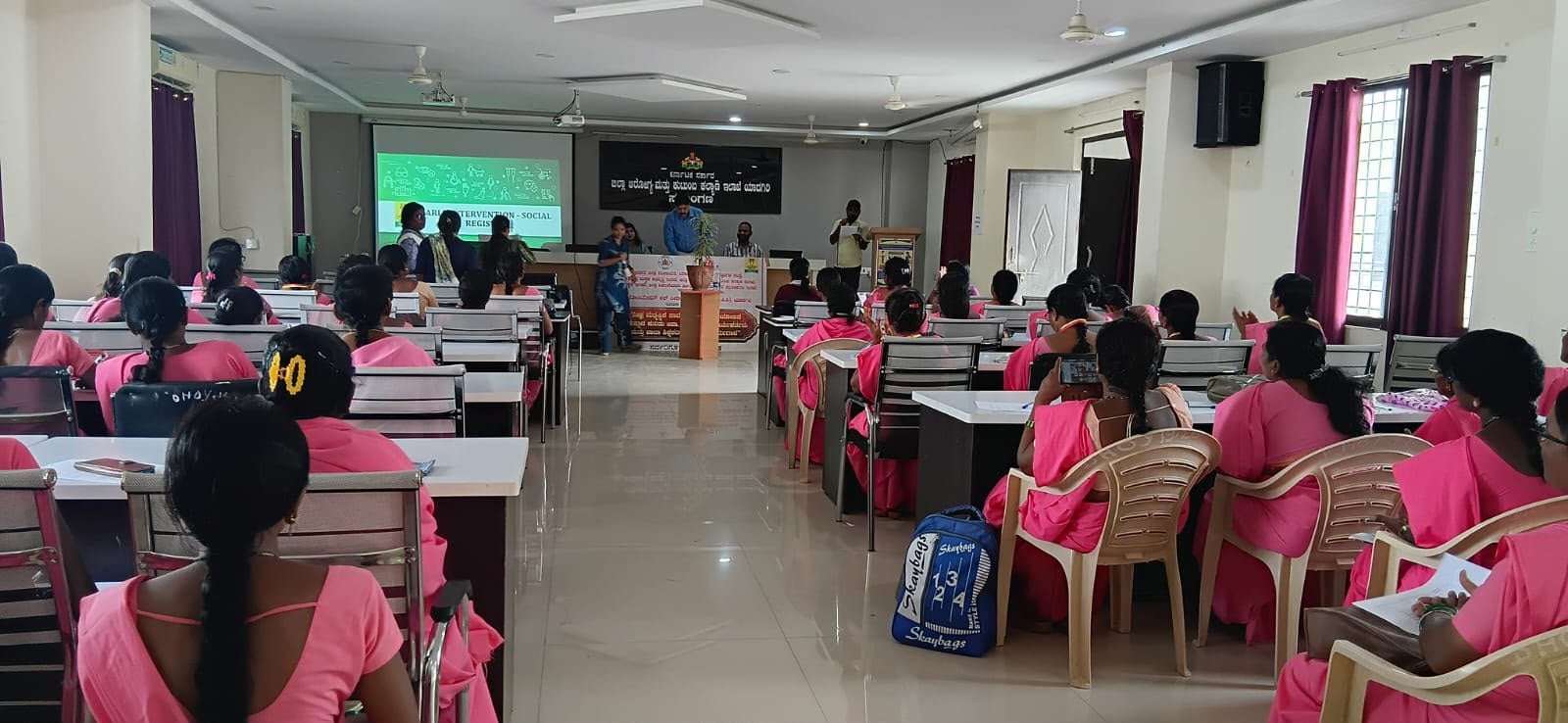
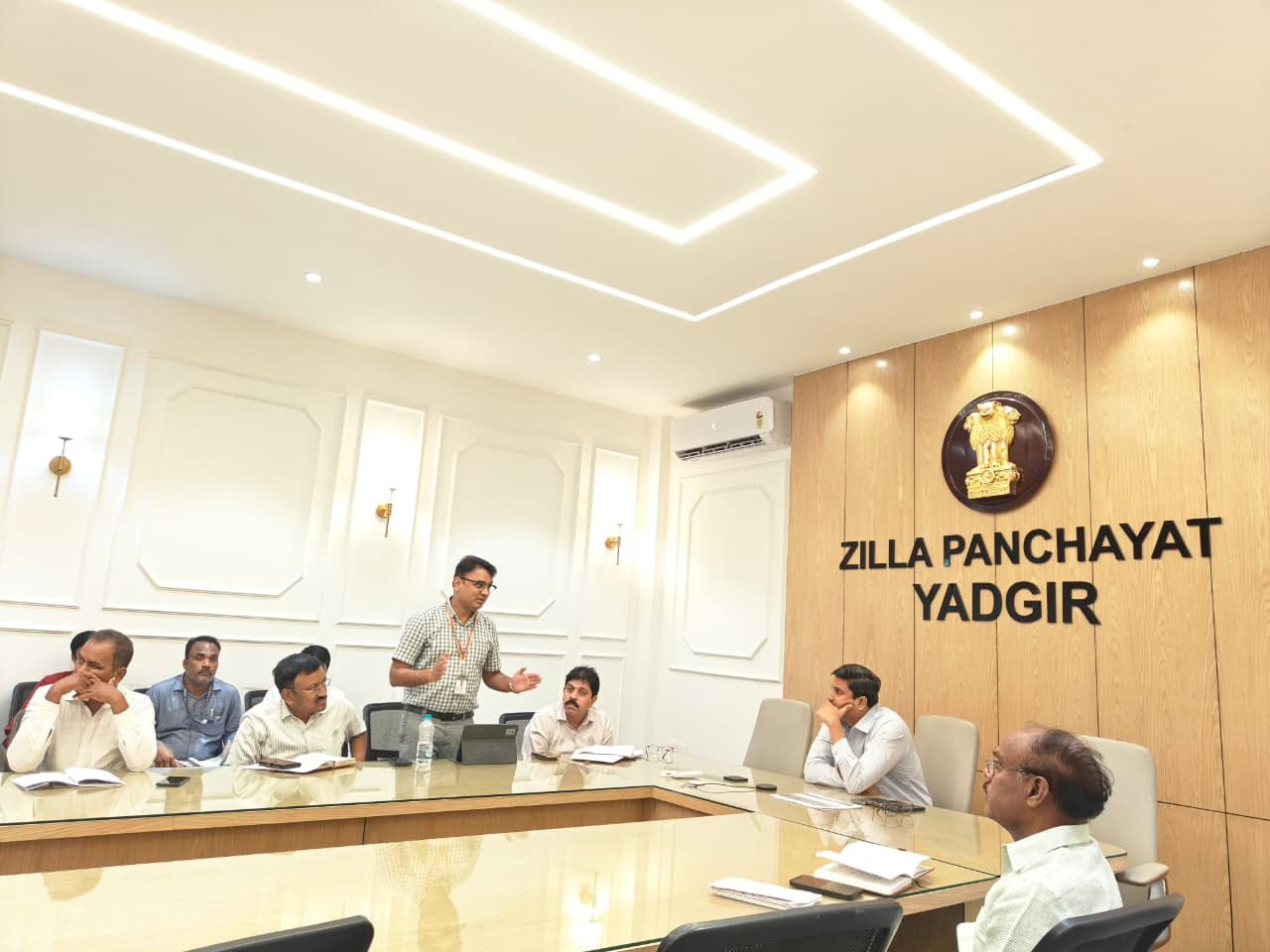
The initiative is being implemented through collaboration between the Association of People with Disability (APD), Yadgir institure of Medical Science, District Administration- Yadgirgovernment departments and healthcare institutions.
Association of People with Disability (APD): APD is leading the conceptualization, planning and implementation of the Social Registry initiative in Yadgir.
Its responsibilities include:
• Developing the project concept, implementation strategy and operational framework.
• Coordinating with district and taluk-level government departments.
• Obtaining necessary permissions and establishing institutional partnerships.
• Training ASHA workers, Anganwadi workers, facilitators and APD staff.
• Developing screening tools, training materials and awareness resources.
• Coordinating field-level screening and data collection.
• Monitoring data quality, screening progress and referral mechanisms.
• Analysing the collected information and preparing reports.
• Strengthening policy advocacy and exploring opportunities for scaling up.
APD is also responsible for integrating the Social Registry with its broader Life Cycle Approach (LCA) programme to strengthen community-based rehabilitation and early intervention services.
Yadgir Institute of Medical Sciences (YIMS): YIMS is an important institutional healthcare partner in this initiative. The collaboration is intended to strengthen the medical and technical aspects of early identification, assessment and intervention.
The medical institution’s involvement can help connect community-level identification with appropriate medical expertise, professional assessment and interventional healthcare services.
It also provides an opportunity to strengthen evidence generation, research and knowledge sharing.
The broader objective is to establish an effective partnership between community-based organizations, government systems and medical institutions so that children receive comprehensive support.
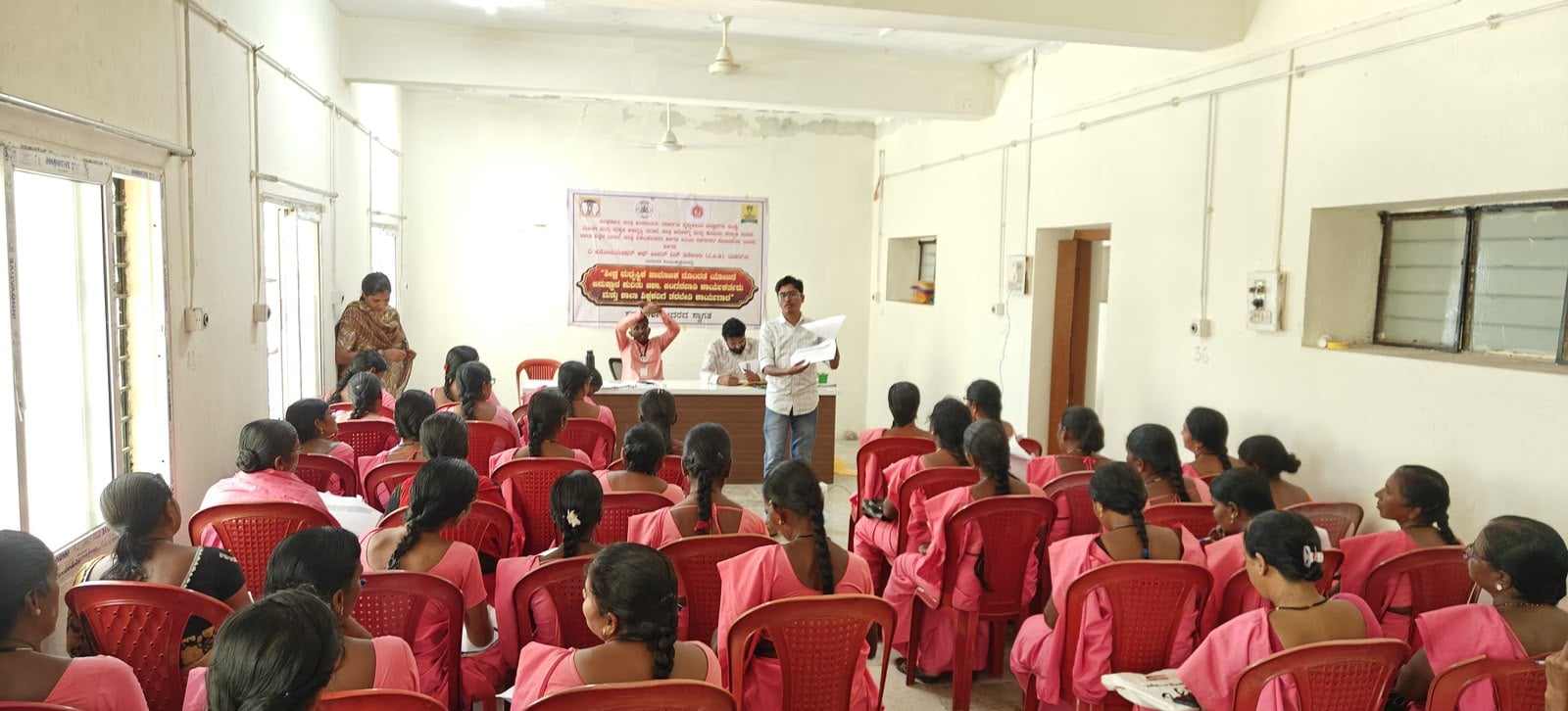
10. What challenges have you faced, and can this model be replicated in other districts?
Like any large-scale community-based initiative, we have encountered several operational and implementation challenges.
Key challenges
1. Mobilizing frontline workers: Initially, some ASHA and Anganwadi workers faced difficulties in understanding the assessment process and submitting completed screening formats within the expected timelines.
2. Data quality and accuracy: Ensuring accurate assessment, complete information and timely data entry is a major priority. Incorrect or incomplete information can affect the reliability of the registry.
3. Capacity building: Since the initiative involves more than 5,000 frontline workers and other stakeholders, continuous training, handholding and field-level supervision are essential.
4. Government coordination: Effective implementation requires coordination among multiple departments, including health, women and child development, education and local administration. Securing active participation and institutional support requires continuous engagement.
5. Follow-up and service delivery: Identifying children is only one part of the process. Ensuring that every identified child receives appropriate assessment, referral, rehabilitation and continued support requires a strong service delivery mechanism.
6. Technology and data management: Maintaining a centralized database, ensuring data privacy, preventing duplication and establishing a reliable follow-up mechanism are important operational requirements.
We are addressing these challenges through regular training, field monitoring, multi-level data validation, government coordination, community awareness and continuous review of implementation progress.
11. Can this model be replicated in other districts?
Absolutely. We believe the Yadgir Social Registry can become a replicable model for other districts in Karnataka and across India.
The model is based on a few important principles:
• A centralized digital registry for children aged 0–8 years.
• Standardized developmental screening tools.
• Active participation of ASHA workers, Anganwadi workers and educators.
• A three-level screening and assessment mechanism.
• Strong linkages with healthcare and rehabilitation institutions.
• Systematic referral and follow-up.
• Evidence-based planning and government collaboration.
However, replication should not simply mean adopting the same digital platform. Each district must adapt the implementation strategy to its population, geographical conditions, available healthcare infrastructure and existing government systems.
Our long-term vision is to demonstrate that a district-level Social Registry can strengthen early childhood intervention, improve service delivery and generate reliable evidence for policy decisions.
We want to establish a model where every child is identified at the right age, receives the right intervention and gets the opportunity to achieve their fullest potential.
Also read: How Dhirendra Kumar Transformed Jharkhand’s Forests, Silk Industry and Rural Economy